The Ultimate Guide to a Curb-less Shower Conversion for Seniors
Did you know that the bathroom is statistically the most hazardous room in the home for individuals over the age of 65? For many seniors and those with limited mobility, a standard bathtub or a shower with a high threshold represents a significant barrier to daily hygiene and independence. A curb-less shower conversion is a transformative home modification that eliminates the traditional “step-over” requirement, creating a seamless, zero-entry transition from the bathroom floor into the shower area.
This structural shift does more than just modernize the aesthetic of your home; it fundamentally changes the safety profile of your living space. By removing tripping hazards and allowing for easy wheelchair or walker access, this type of remodel supports the “aging in place” movement, allowing homeowners to remain in their homes longer and with greater dignity.
In this comprehensive guide, we will explore the technical requirements, safety benefits, and design choices involved in a curb-less shower conversion. Whether you are planning a handicap accessible bathroom remodel for a loved one or future-proofing your own home, understanding these essential elements is the first step toward a safer, more accessible lifestyle.
Understanding the Basics of a Curb-less Shower Conversion
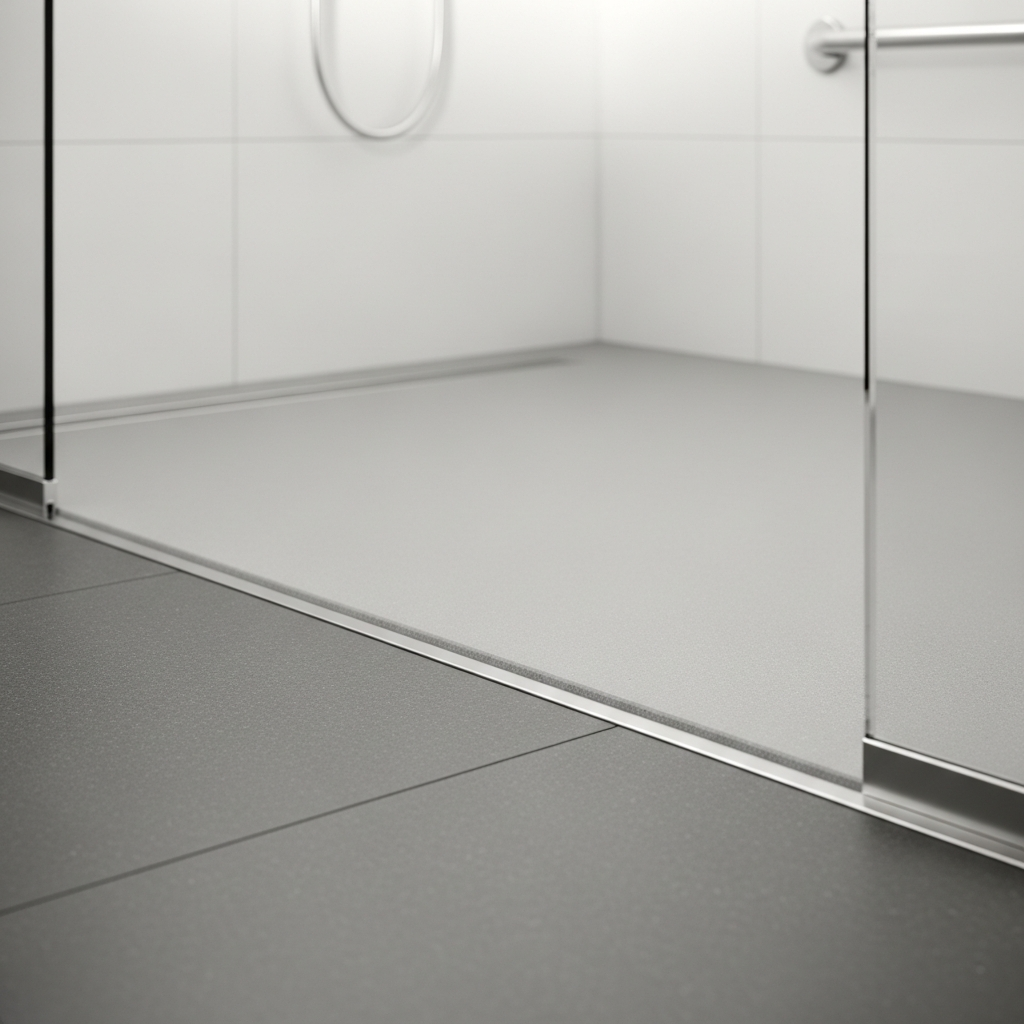
To appreciate the value of a barrier-free design, we must first define what a curb-less shower conversion actually entails. Unlike a standard walk-in shower that features a 3- to 5-inch curb to contain water, a curb-less design integrates the shower floor directly with the rest of the bathroom floor.
The “Wet Room” Concept
In many professional designs, the entire bathroom is treated as a “wet room.” This means the waterproofing membrane extends across the entire floor surface, not just the shower area. This approach provides a sleek, uninterrupted look that makes small bathrooms appear much larger.
How Water is Contained
A common concern for beginners is whether water will flood the bathroom. In a professional curb-less shower conversion, the floor is subtly sloped toward the drain. The use of a linear drain—a long, narrow channel usually placed against a wall—allows for a single-slope floor, which is easier to navigate with a wheelchair than a traditional center-drain slope.
Why a Curb-less Shower Conversion is Essential for Aging in Place
As we age, our balance, strength, and range of motion naturally decline. A curb-less shower conversion addresses these physiological changes by removing the physical obstacles that lead to falls.
Elimination of Tripping Hazards
The primary benefit is the removal of the threshold. For a senior with a shuffling gait or someone using a walker, even a one-inch lip can be a dangerous trip hazard. A zero-entry shower provides a smooth, flat plane that minimizes the risk of catching a foot or a wheel on an edge.
Enhancing Caregiver Access
For those who require assistance with bathing, a curb-less design is a game-changer. The open layout allows a caregiver to stand close to the individual without being obstructed by walls or high curbs. This reduces the physical strain on the caregiver and makes the process safer for everyone involved.
Promoting Psychological Independence
Maintaining the ability to bathe oneself is a core component of mental well-being for the elderly. By installing a curb-less shower conversion, you empower individuals to manage their own hygiene for a longer period, fostering a sense of autonomy and self-worth.
Planning Your Handicap Accessible Bathroom Remodel
Transitioning to a barrier-free shower is a complex project that requires meticulous planning. It is not as simple as removing a tub; it involves structural, plumbing, and aesthetic considerations.
Assessing the Subfloor
One of the most technical aspects of a curb-less shower conversion is managing the floor height. To create a level entry, the shower floor must be recessed into the subfloor. This may require “notching” floor joists or raising the entire bathroom floor to match the new shower level.
Step-by-Step Conversion Overview
- Demolition: Removing the existing tub or shower unit.
- Structural Modification: Lowering the subfloor or installing a pre-sloped shower pan.
- Plumbing Reconfiguration: Moving drains and installing pressure-balancing valves to prevent scalding.
- Waterproofing: Applying a high-grade moisture barrier (like Schluter-Kerdi) across the floor and walls.
- Tiling: Laying slip-resistant tiles that flow seamlessly from the main floor into the shower.
- Finishing Touches: Installing grab bars, benches, and handheld showerheads.
Safety Features Every Curb-less Shower Conversion Needs
A curb-less floor is just the foundation of an accessible bathroom. To be truly ADA-compliant and senior-friendly, several other features must be integrated into the space.
Essential Grab Bar Placement
Grab bars should never be an afterthought. For maximum safety, they should be installed into reinforced wall blocking.
- Entry Bar: A vertical bar at the entrance to provide stability while entering.
- Side Wall Bar: A horizontal bar along the side wall to assist with standing or sitting.
- L-Shaped Bar: Often used near the shower bench to help with transfers from a wheelchair.
The Importance of a Handheld Showerhead
A fixed showerhead is difficult to use for someone sitting on a bench. A handheld wand on a slide bar allows the user to bring the water to them, making it easy to wash while seated. Look for models with an “easy-grip” handle and a pause button to save water while lathering.
Built-in or Fold-down Seating
Even if a senior is currently mobile, a shower bench is a vital safety addition. A fold-down bench is ideal for smaller spaces, as it can be tucked away when not in use. Ensure the bench is at a height of 17 to 19 inches, which is the standard height for easy sitting and standing.
Choosing the Right Materials: Slip-Resistance and Durability
The materials you choose for your curb-less shower conversion play a massive role in both safety and longevity.
Selecting Slip-Resistant Flooring
Not all tiles are suitable for a wet environment. For a handicap accessible shower, you need tiles with a high Coefficient of Friction (COF). Small mosaic tiles (2×2 inches or smaller) are excellent because the frequent grout lines provide natural traction for bare feet and mobility aids.
Comparison: Flooring Options for Seniors
| Material | Slip Resistance | Durability | Ease of Cleaning |
| Small Mosaic Tile | Excellent | High | Moderate (Grout lines) |
| Textured Porcelain | Very Good | High | High |
| Pebble Tile | Good | Moderate | Moderate |
| Non-Slip Vinyl | Good | Moderate | High |
Lighting and Visibility
Seniors often require 2 to 3 times more light than younger adults to see clearly. Ensure the shower area has dedicated, vapor-proof LED lighting. Avoid high-gloss finishes on walls that can create blinding glares, which can lead to disorientation and falls.
Cost and ROI of Curb-less Shower Conversions
Budgeting for this project requires an understanding of the labor-intensive nature of structural bathroom work.
Average Investment Breakdown
A professional curb-less shower conversion typically costs between $10,000 and $25,000. While this is a significant investment, it is important to compare it to the cost of assisted living facilities, which can exceed $5,000 per month.
- Materials: $3,000 – $5,000 (Tile, drains, waterproofing, fixtures).
- Labor: $7,000 – $25,000 (Demolition, plumbing, structural work, tile setting).
- Permits: $200 – $800 (Varies by location).
Impact on Home Value
Accessibility is a growing trend in real estate. As the population ages, homes that already feature “universal design” elements like a zero-entry shower are highly sought after. You can expect a solid return on investment (ROI), often recovering 60-70% of the project cost in added home value.
Common Mistakes to Avoid in Your Remodel
- Improper Sloping: If the floor isn’t sloped correctly (at least 1/4 inch per foot), water will pool, creating a slip hazard and potential mold issues.
- Neglecting the Drain Capacity: Because there is no curb to hold water back, the drain must be able to handle the high flow rate of the showerhead. Linear drains are preferred for their high-volume capacity.
- Using Regular Drywall: Always use cement board or a dedicated waterproof backer system. Regular green-board is not sufficient for a curb-less “wet room” environment.
- Skipping Permits: Structural changes like notching joists require inspections. Skipping this can lead to issues when you try to sell your home.
Frequently Asked Questions About Curb-less Shower Conversions
Q: What exactly is a curb-less shower?
A: A curb-less shower is a walk-in shower design where the floor is flush with the rest of the bathroom. There is no raised threshold or “curb” to step over, making it ideal for wheelchair access and senior safety.
Q: Can I convert a standard bathtub into a curb-less shower?
A: Yes, this is one of the most common types of renovations. It involves removing the tub, modifying the subfloor to allow for a recessed drain, and waterproofing the surrounding area to create a seamless entry.
Q: How much does a curb-less shower conversion cost on average?
A: Most professional conversions range from $15,000 to $35,000. The price depends on the complexity of the structural work, the choice of tile, and the plumbing upgrades required for ADA compliance.
Q: How long does the conversion process take?
A: A full bathroom remodel that includes a barrier-free shower typically takes 2 to 3 weeks. This includes demolition, drying time for waterproofing membranes, and detailed tile work.
Q: Are curb-less showers hard for beginners to maintain?
A: Not at all. In fact, they are often easier to clean because there are fewer corners and no curbs to scrub. Using a squeegee after each use and choosing high-quality grout will keep the space looking new for years.
Q: What is the best drain for a zero-entry shower?
A: A linear drain is generally the best choice. It allows the floor to be sloped in one direction (toward the wall), which provides a more stable and level surface for wheelchairs and walkers compared to a traditional center drain.
Conclusion
Embarking on a curb-less shower conversion is an act of foresight and care. By prioritizing safety and accessibility today, you are ensuring a more comfortable and independent tomorrow. We have discussed how removing thresholds, integrating grab bars, and choosing the right materials can transform a hazardous bathroom into a spa-like sanctuary of safety.
Your next step should be to consult with a contractor who specializes in “Universal Design” or “Aging in Place” modifications. They can provide a structural assessment of your subfloor and help you design a space that meets your specific needs. While the process requires an investment of time and resources, the peace of mind that comes from a safe, accessible home is truly priceless. Start your journey toward a barrier-free home today, and embrace the freedom that comes with a well-designed, accessible bathroom.