Critical Secondary Suite Compliance Upgrades for Ottawa
With Ottawa’s 2026 housing market reaching new peaks, many homeowners are sitting on a goldmine right beneath their feet. Converting your basement into a rental unit is a brilliant financial move, yet the path to a legal permit is paved with strict regulations. Achieving secondary suite compliance is the difference between a high-value, protected investment and a legal nightmare that could result in heavy fines or forced closures.
Navigating the Ontario Building Code and the City of Ottawa’s specific zoning bylaws requires more than just a quick renovation; it requires a strategic understanding of life-safety requirements. Whether you are in a brand-new build in Findlay Creek or a classic home in Westboro, your unit must meet specific standards for fire separation, ceiling height, and emergency exits. By focusing on these Ottawa building permits and safety upgrades now, you ensure your property is ready for the 2026 rental season.
In this comprehensive guide, we will break down the essential technical requirements for legalizing your unit. We will cover the “big three”—fire safety, egress, and ventilation—while providing actionable advice on how to pass your inspections the first time. As your local experts, we understand that protecting your family and your tenants is your top priority. Let’s explore how to turn your basement into a compliant, cash-flowing asset.
The Financial Power of Secondary Suite Compliance
In 2026, the demand for affordable housing in the National Capital Region has never been higher. A legal basement apartment or garden suite can generate significant monthly income, often covering a large portion of a mortgage. However, the term “legal” is the pivot point for your insurance and liability. Without verified secondary suite compliance, your homeowner’s insurance may refuse to cover a claim related to the rental unit, leaving you personally responsible for damages.
Moreover, the City of Ottawa has streamlined the “as-of-right” permissions in the new 2026 zoning bylaws, making it easier for homeowners to add density. Taking the professional route to compliance increases your home’s resale value significantly more than an “under-the-table” basement finish. Buyers today are savvy; they look for the Electrical Safety Authority (ESA) sticker and the official occupancy permit before they sign on the dotted line.
Fire Separation: The Non-Negotiable Barrier
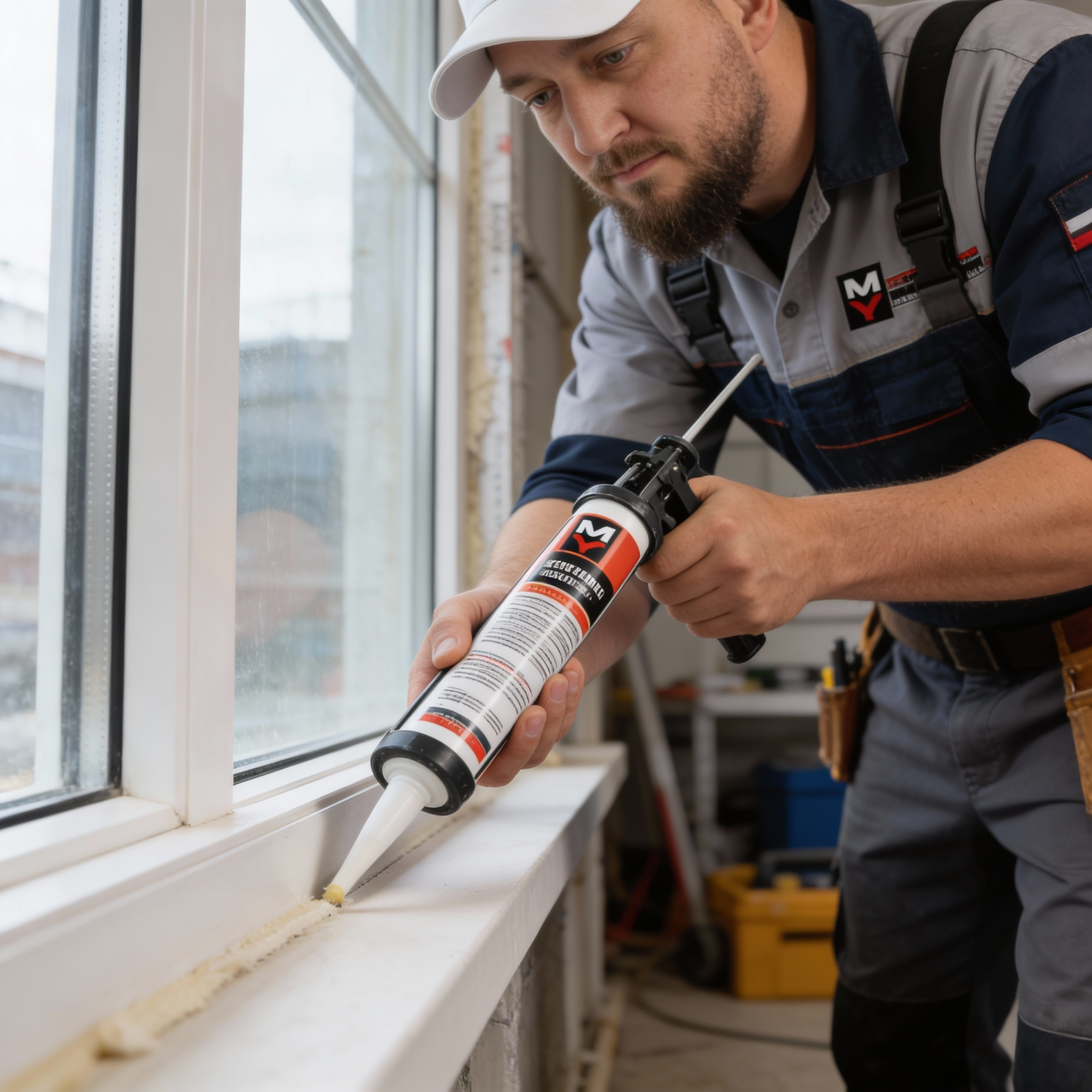
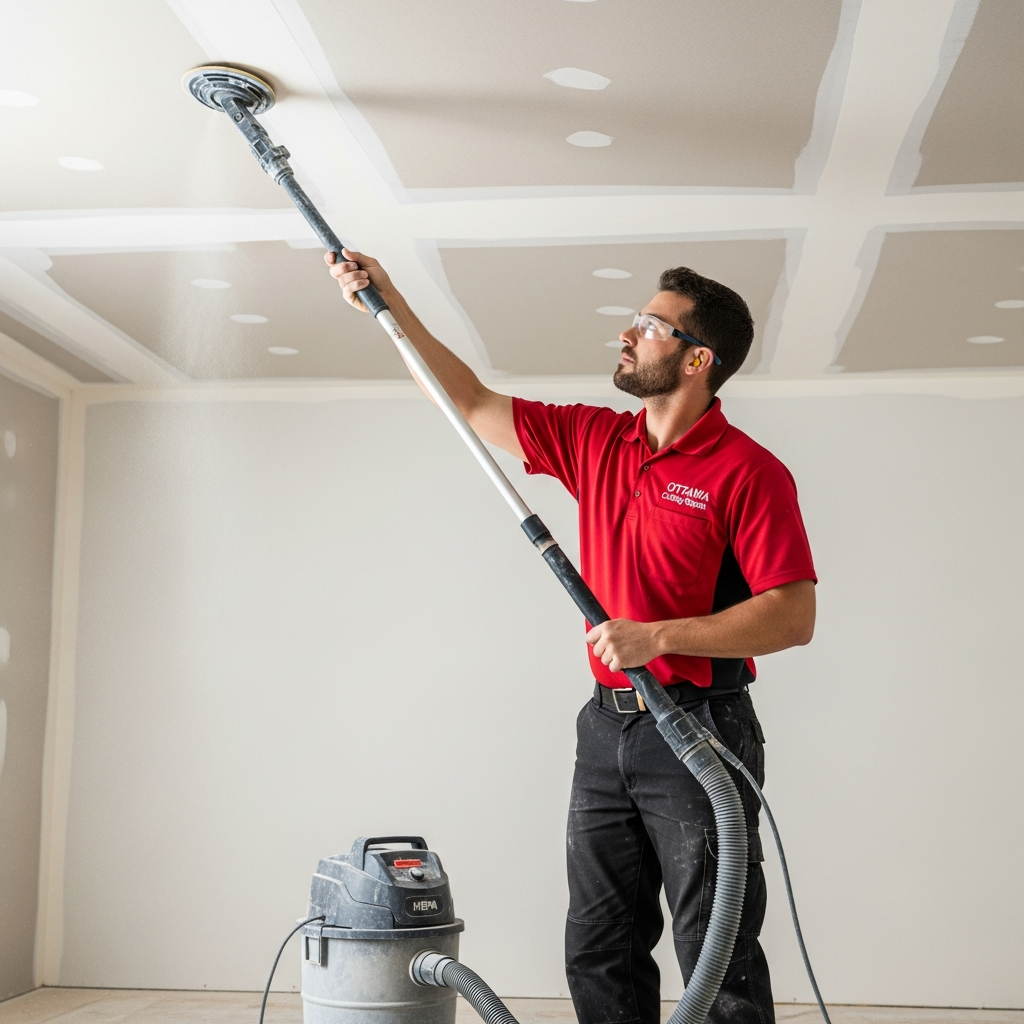
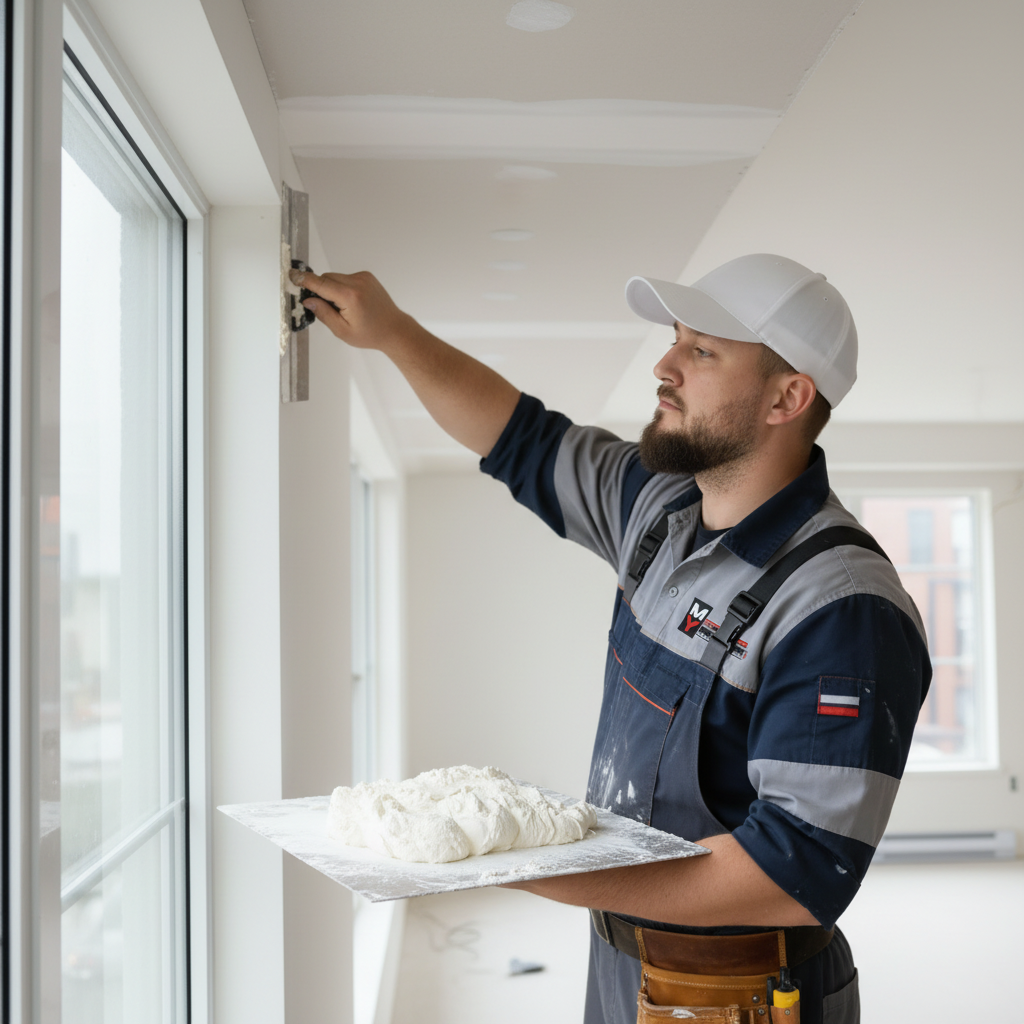
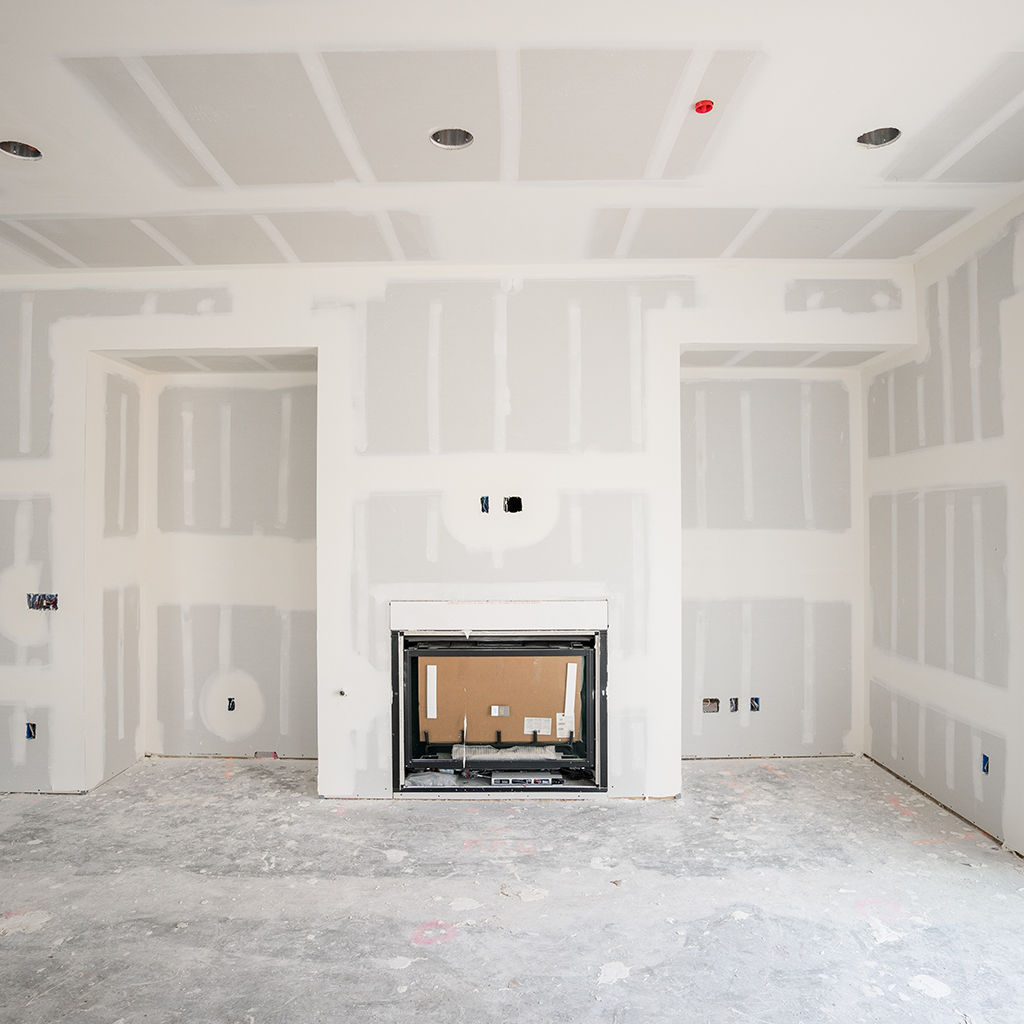
The most critical aspect of your renovation is fire safety. The Ontario Building Code requires a specific “fire-resistance rating” between the primary dwelling and the secondary suite. For most existing Ottawa homes, this means a 30-minute fire separation. This is typically achieved by installing 5/8-inch Type X drywall on the ceilings and shared walls. Every gap, including those around pipes and electrical boxes, must be sealed with fire-rated caulking to prevent smoke migration.
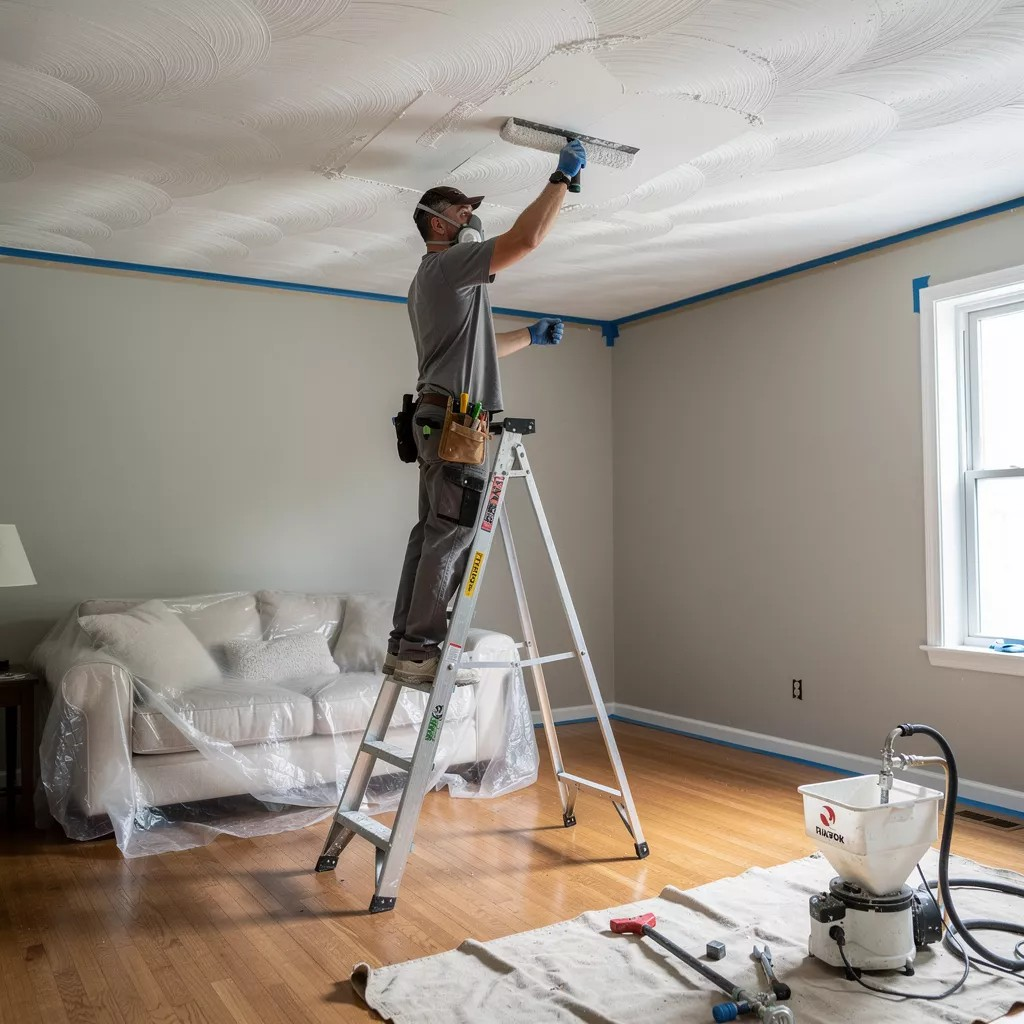
Additionally, doors that connect the two units—or the main entrance to the suite—must be solid core and equipped with self-closing hinges. These barriers are designed to give occupants time to escape in the event of an emergency. When we perform home maintenance or compliance checks, we often find that DIYers skip the fire-rated tape and mud on the ceiling joints, which is a guaranteed way to fail an inspection.
- Pro-Tip: Use mineral wool insulation (like Roxul) between the floor joists. Not only does it have a high melting point for fire safety, but it also provides excellent soundproofing for your tenants.
Interconnected Alarms and 2026 Tech Standards
In the past, running wires between floors for smoke alarms was a major headache for landlords. Fortunately, the 2026 standards now widely accept wireless interconnection for smoke and carbon monoxide alarms. This means if a toaster catches fire in the basement, the alarm in the upstairs master bedroom will sound simultaneously. This is a vital component of secondary suite compliance that saves lives.
- Every Bedroom: Must have a dedicated smoke alarm.
- Every Level: Needs at least one alarm in a common area.
- Carbon Monoxide: Required near all sleeping areas if the home has a gas furnace, water heater, or an attached garage.
- Visual Alarms: In 2026, visual signaling components (strobe lights) are becoming the standard for inclusive, accessible rentals.
Egress Windows: Your Emergency Exit Plan
You cannot legally call a room a “bedroom” in a basement unless it has a proper emergency exit. An egress window must be large enough for a fully equipped firefighter to climb through. In Ontario, this means a clear opening of at least 0.35 square metres (3.77 square feet), with no dimension smaller than 380mm (15 inches). This is one of the most common Ottawa building permits triggers because it often requires cutting into the concrete foundation.
Maintaining the window well is just as important as the window itself. There must be at least 760mm (30 inches) of clearance in front of the window to allow a person to climb out easily. Given Ottawa’s heavy snowfall and spring thaws, ensuring your window well has proper drainage connected to the weeping tile is essential to prevent basement flooding. We recommend casement-style windows, as they provide the largest clear opening for their size.
Ceiling Height and Living Space Standards
A common project-killer for secondary suite compliance is the minimum ceiling height. For existing homes (over five years old), the code has become slightly more flexible, generally requiring a height of 1.95 metres (approximately 6’5″) over at least 75% of the required floor area. This height must be maintained in all paths of travel, including hallways and exit routes.
If your basement is too low, you may need to “underpin” or “bench” the foundation to lower the floor, which is a significant structural undertaking. However, many Ottawa homes built in the late 90s and early 2000s already meet this requirement, needing only minor adjustments to bulkhead heights where ductwork runs. Always measure from the lowest point—usually a beam or a duct—to ensure you meet the 1.85m clearance allowed for those specific obstructions.
Ventilation, Plumbing, and HVAC Requirements
A legal suite must be a self-contained environment. This means it needs its own kitchen and bathroom with adequate ventilation. Bathroom fans and kitchen range hoods must vent directly to the exterior, not into the attic or joist spaces. Furthermore, the HVAC system must be configured to ensure that smoke or odours don’t easily circulate between the two units, often requiring fire dampers in the ductwork.
- Independent Controls: While not always a code requirement for older homes, having a separate thermostat for the basement suite is a massive selling point.
- Backwater Valves: Given the flood risks in certain Ottawa sectors like Britannia or along the Rideau River, a backwater valve is a critical upgrade to prevent sewer backup into a basement suite.
- Electrical Load: Most older homes have 100-amp service. Adding a second kitchen often requires an upgrade to 200-amp service to handle the concurrent load of two stoves and two dryers.
Frequently Asked Questions
What is the first step in achieving secondary suite compliance?
The first step is to verify your zoning classification with the City of Ottawa. Even if you meet the building code, municipal bylaws dictate where a suite can be located and whether you need to provide additional parking. Once zoning is confirmed, you should hire a professional to create architectural drawings for your secondary suite compliance application.
How much do Ottawa building permits cost for a suite?
In 2026, building permit fees are based on the value of the work and the square footage. You can generally expect to pay between $500 and $1,500 for the permit itself, plus the cost of professional drawings. While it may seem expensive, this is a fraction of the cost of being forced to dismantle a non-compliant suite later.
Do I need a separate entrance for a legal basement apartment?
Ideally, yes. While the code allows for a shared entrance if certain fire-safety conditions are met, a separate exterior entrance is the gold standard. It provides better privacy for both you and your tenant and simplifies the fire separation requirements. If you don’t have one, a handyman can often assist in creating a separate walk-out or side-door entry.
Can I use wireless smoke alarms for secondary suite compliance?
Yes, the 2026 Ontario Building Code allows for wirelessly interconnected smoke alarms in existing residential buildings. This is a major cost-saver because it eliminates the need for “fishing” wires through finished walls. However, the alarms must be of a specific type that meets ULC standards and must be permanently powered or have long-life batteries.
What happens if I get caught with an illegal suite in Ottawa?
The City of Ottawa takes illegal suites seriously, especially regarding fire safety. If an inspector finds a non-compliant unit, they can issue a “Work Order” or “Order to Comply.” This could force you to stop renting the unit immediately and either bring it up to code or remove the kitchen facilities entirely. This often results in a total loss of rental income and significant legal fees.
How long does the compliance process take?
The timeline usually includes 2-4 weeks for drawing preparation, 4-6 weeks for city permit approval, and 2-4 months for construction and inspections. Planning your secondary suite compliance project during the winter months is a smart move so that your unit is legal and ready for the peak May 1st moving day.
Conclusion
Investing in secondary suite compliance is more than just a legal obligation; it is a commitment to quality and safety. By following the Ontario Building Code and focusing on critical upgrades like fire separation and egress windows, you create a premium rental space that will serve you for decades. A legal suite provides peace of mind, insurance protection, and a significant boost to your home’s equity in the competitive Ottawa market.
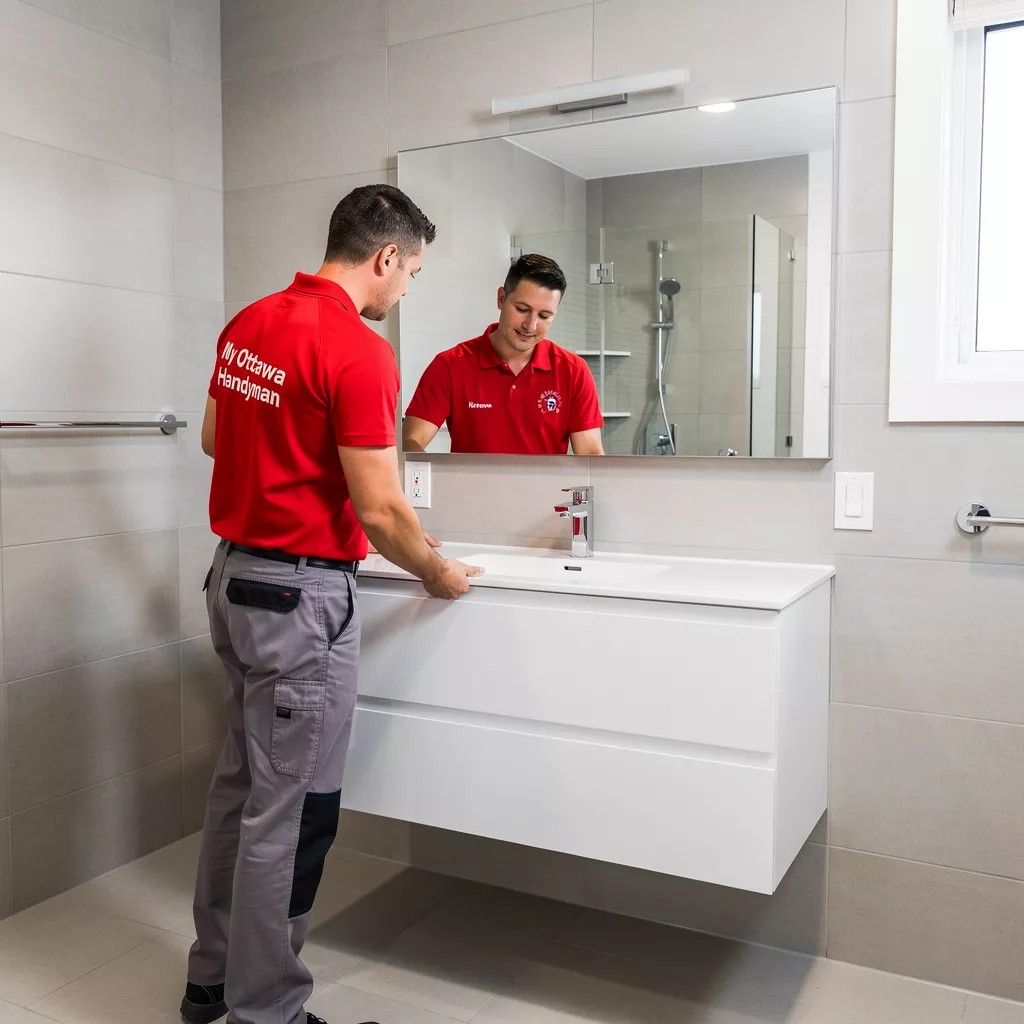
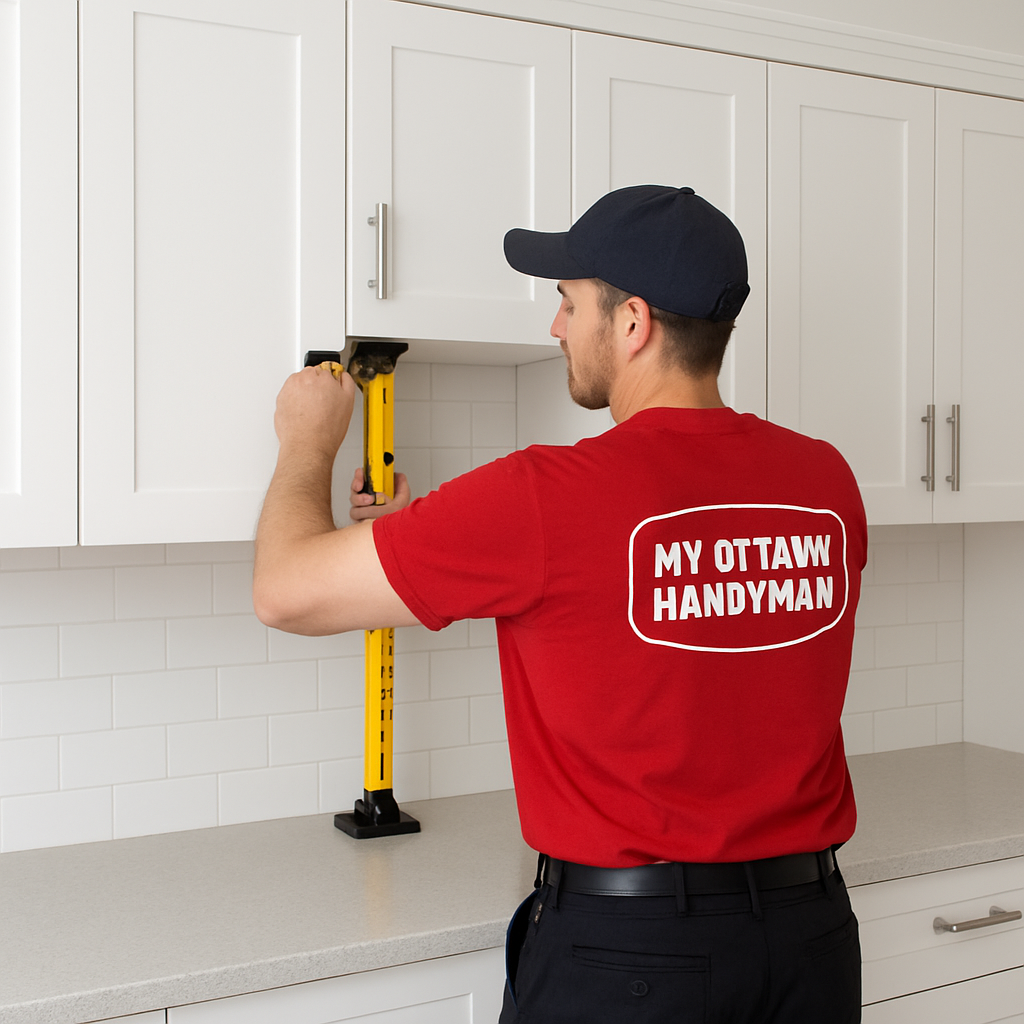
Don’t navigate the complex world of permits and inspections alone. Whether you need a full safety audit or help installing fire-rated drywall and egress windows, My Ottawa Handyman is your local partner for expert home improvements. We specialize in high-quality workmanship that meets every provincial standard. Contact us today to book your compliance consultation and take the first step toward a legal, profitable rental unit!