Why Home Maintenance in 2026 is a Smart Choice for Every Owner
Is your home an ATM or a money pit? In the current economic climate, the answer depends entirely on your upkeep strategy. As we navigate the complexities of property ownership today, understanding why home maintenance in 2026 is a smart choice has never been more critical. With rising material costs and a volatile housing market, your home is no longer just a shelter; it is your most significant financial hedge against inflation.
For years, many homeowners viewed maintenance as an optional “weekend chore” or a nuisance to be deferred until something broke. However, 2026 has brought a paradigm shift. Between the integration of complex smart home technologies and the increased frequency of extreme weather events, the “wait and see” approach is now the most expensive way to own a home. This article will break down the financial, technological, and structural reasons why proactive care is the best investment you can make this year.
The Economic Case: Fighting Inflation with a Wrench
The primary reason home maintenance in 2026 is a smart choice is purely financial. We are living through a period where building material costs—everything from high-grade lumber to specialized copper wiring—continue to outpace general inflation.
The Compounding Cost of Deferral
In 2020, a neglected roof leak might have cost $500 to patch. In 2026, due to labor shortages and supply chain shifts in the roofing industry, that same patch might cost $1,200. If you allow that leak to damage your structural trusses, the repair bill could easily skyrocket into the tens of thousands. Proactive maintenance acts as an insurance policy against these exponential price hikes.
Real Estate Liquidity and the “Condition Premium”
Buyers in 2026 are more educated than ever. With the rise of AI-powered home inspection tools that can “see” through walls using thermal imaging, you can no longer hide a decade of neglect behind a fresh coat of paint. Homes with documented maintenance records are currently selling for 12% to 15% more than their “as-is” counterparts. Maintenance isn’t just a cost; it’s a strategy for equity growth.
Protecting the “Brain”: Smart Home System Upkeep
In 2026, the average American home contains more processing power than a mid-sized office did a decade ago. From smart electrical panels to automated HVAC zones, your home now has a “central nervous system” that requires specialized care.
The Vulnerability of Neglected Tech
Smart home devices are prone to both physical and digital degradation. Dust buildup in a smart thermostat or a neglected firmware update on a smart leak detector can lead to system-wide failures. Investing in home maintenance in 2026 means ensuring these digital safeguards are actually functional. A failed smart water shut-off valve is useless if it hasn’t been cycled or tested in two years.
Electrical Load Management
With more homeowners moving toward EV charging and heat pump technology, home electrical systems are working harder than ever. Periodic inspections of your breaker box and wiring are no longer “optional.” They are essential to prevent electrical fires caused by modern load demands.
[Image Description: A professional technician using a tablet to run a diagnostic check on a smart home hub and electrical panel.] [Alt Text: “Smart home maintenance in 2026 showing electrical system diagnostics.”]
Climate Resilience: The New Priority for 2026
We cannot discuss home maintenance in 2026 without addressing the changing environment. “Climate-proofing” has become a standard part of the homeowner’s vocabulary.
Managing Water and Moisture
Increased rainfall intensity in many regions has made gutter maintenance and foundation drainage the front line of home defense. A single season of clogged gutters can lead to hydrostatic pressure building against your foundation, causing cracks that cost a fortune to pin.
Thermal Integrity and Energy Costs
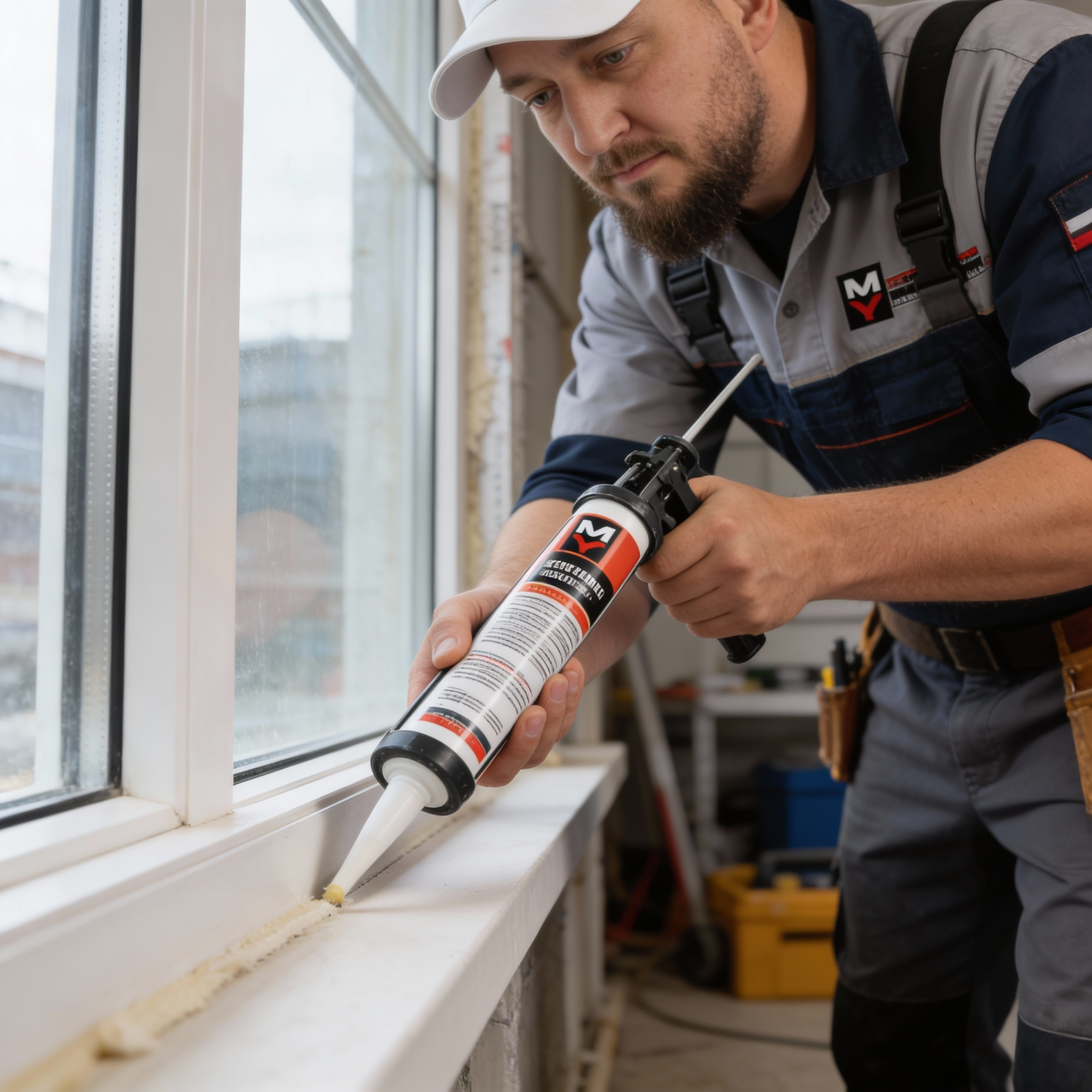
Energy prices in 2026 remain a significant monthly burden. Investing in weatherstripping, attic insulation, and window seal integrity isn’t just about comfort; it’s about reducing your monthly burn rate. A well-maintained home is a thermally efficient home, saving you an average of 20% on annual utility bills compared to a drafty, neglected property.
The “Maintenance Multiplier”: Professional vs. DIY
A common mistake homeowners make is assuming that all maintenance must be done personally to be cost-effective. In 2026, the “Maintenance Multiplier” suggests that professional intervention often yields better long-term ROI.
- The DIY Trap: Using the wrong sealant on a deck or a low-grade filter in a high-efficiency HVAC can actually shorten the lifespan of your assets.
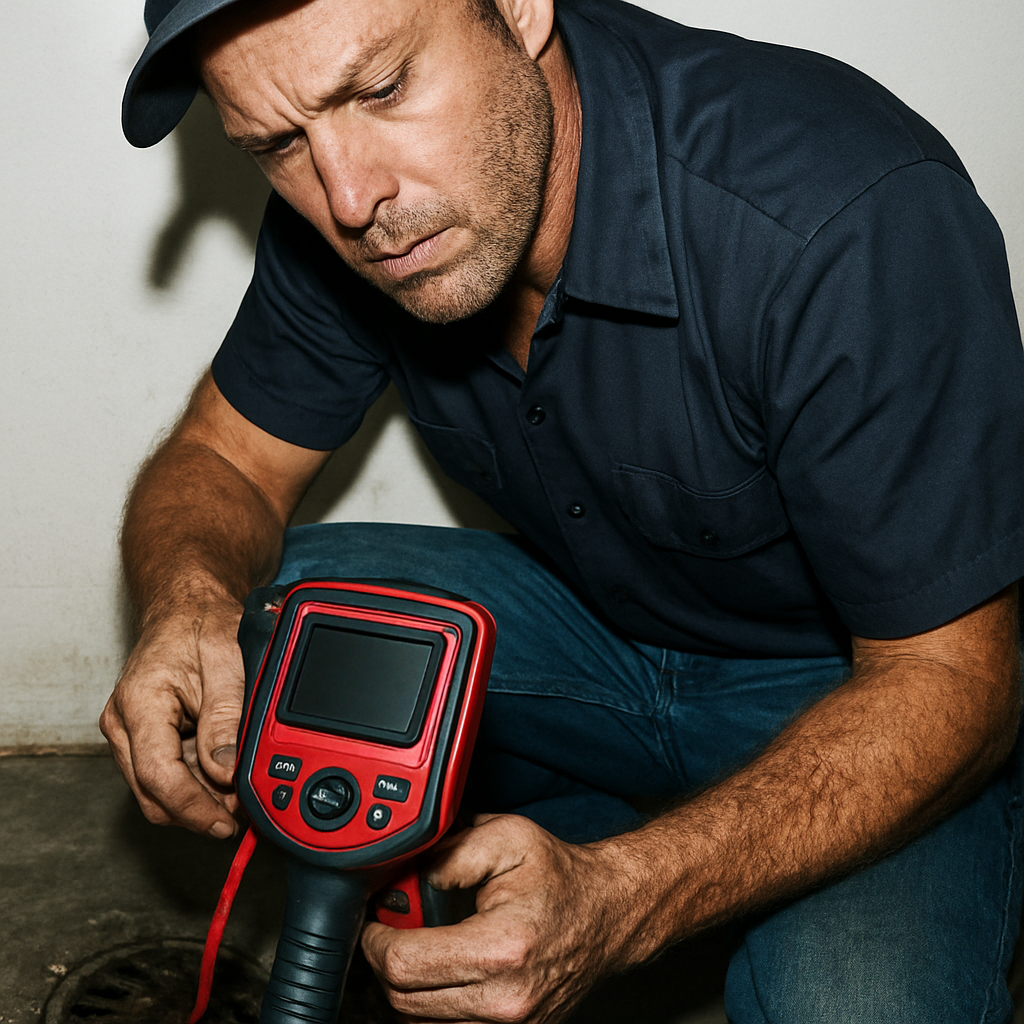
- The Professional Edge: Licensed pros in 2026 use advanced tools like ultrasonic leak detectors and drone-based roof inspections. These technologies find problems months before the human eye can, allowing for “micro-repairs” that prevent “macro-failures.”
When to DIY (The 2026 Rule of Thumb)
If the task involves a “consumable” (filters, lightbulbs, batteries, mulch), DIY is great. If the task involves a “system” (plumbing, electrical, structural, HVAC), 2026 is the year to call a pro. The complexity of modern warranties often requires proof of professional service to remain valid.
Step-by-Step Guide to a 2026 Maintenance Audit
If you want to prove to yourself that home maintenance in 2026 is a smart choice, start with a self-audit. Use this checklist to identify where your money is most at risk.
- The Envelope Check: Inspect all windows, doors, and siding for gaps. In 2026, air leaks are equivalent to throwing money out the window.
- The Fluid Check: Flush your water heater to remove sediment and check for slow leaks under every sink.
- The Tech Reset: Update all smart home firmware and replace batteries in all safety sensors (smoke, CO2, water).
- The Drainage Audit: Ensure all downspouts carry water at least six feet away from your foundation.
- The HVAC “Tune-Up”: Clean the exterior condenser coils and replace the internal HEPA filters.
Common Mistakes to Avoid with Home Maintenance
Even well-meaning homeowners can fall into traps that waste money.
- Buying “Contractor Grade” Materials: As discussed in previous guides, 2026 is the year of “Buy Once, Cry Once.” Cheap materials fail faster and cost more in repeated labor.
- Ignoring the “Check Engine” Lights: Modern appliances and smart homes give you warnings. Ignoring a “Service Required” notification on your HVAC or water softener is the fastest way to void a warranty.
- Seasonal Procrastination: Waiting until the first freeze to check your furnace ensures you will pay “emergency rates.” Booking your maintenance in the “off-season” can save you up to 30% on service fees.
Frequently Asked Questions About Home Maintenance in 2026
Q: What is home maintenance in 2026?
A: It is the proactive practice of inspecting, cleaning, and repairing home systems to ensure safety, efficiency, and property value. In 2026, this includes both physical structural care and digital upkeep of smart home technologies.
Q: How much should I budget for home maintenance in 2026?
A: The “1% Rule” still applies but is often adjusted for inflation. Aim to set aside 1% to 2% of your home’s value annually. For a $500,000 home, that means $5,000 to $10,000 per year to cover both small tasks and larger “sinking fund” items like a future roof or HVAC.
Q: Does maintenance really increase home value?
A: Absolutely. In 2026, “Maintenance Records” are as important to a home sale as “Service Records” are to a luxury car sale. Buyers are willing to pay a premium for the peace of mind that comes with a verified well-cared-for home.
Q: Can I use AI to help with my home maintenance?
A: Yes! Many 2026 apps use your phone’s camera to identify types of mold, cracks, or wear patterns. AI can also help you schedule tasks based on your local weather patterns, ensuring you clean gutters right after the leaves fall but before the first big rain.
Q: How long does a full home maintenance audit take?
A: A thorough professional audit typically takes 3 to 5 hours. A DIY “walkthrough” takes about 90 minutes. It is a small time investment that can save hundreds of hours of stress later.
Q: Why are labor costs so high for simple repairs this year?
A: The skilled trades are facing a significant shortage in 2026. You aren’t just paying for the time; you are paying for the certification, insurance, and specialized tools required to work on modern, high-tech homes.
Conclusion
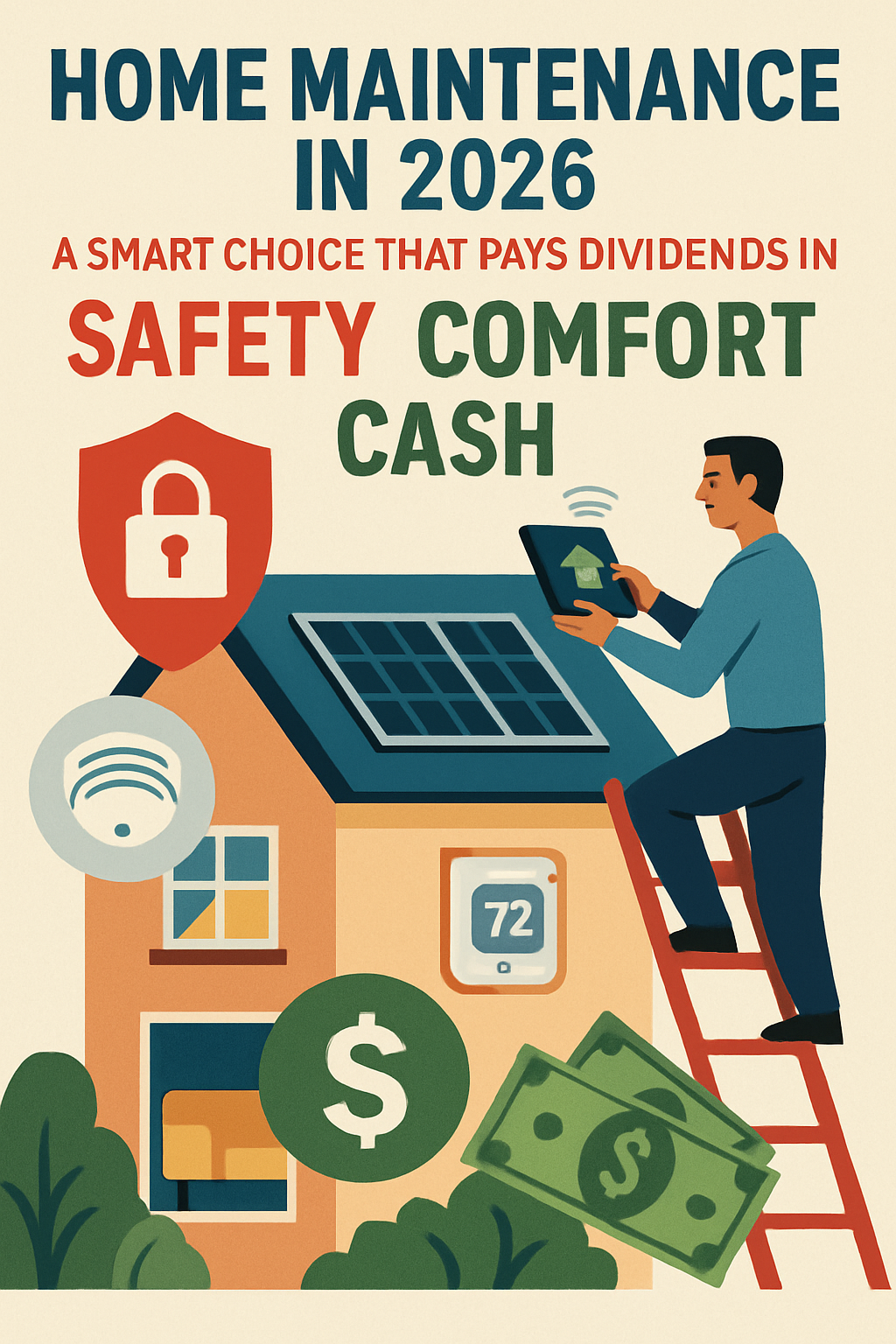
The evidence is clear: home maintenance in 2026 is a smart choice that pays dividends in safety, comfort, and cold, hard cash. By moving from a “reactive” mindset to a “proactive” one, you transform your home from a source of anxiety into a fortress of financial stability.
The best time to start was yesterday; the second best time is today. Don’t wait for a catastrophic failure to realize the value of your property. Take the first step this weekend: perform a simple walk-around audit of your home’s exterior and schedule a professional HVAC tune-up. Your future self—and your bank account—will thank you.