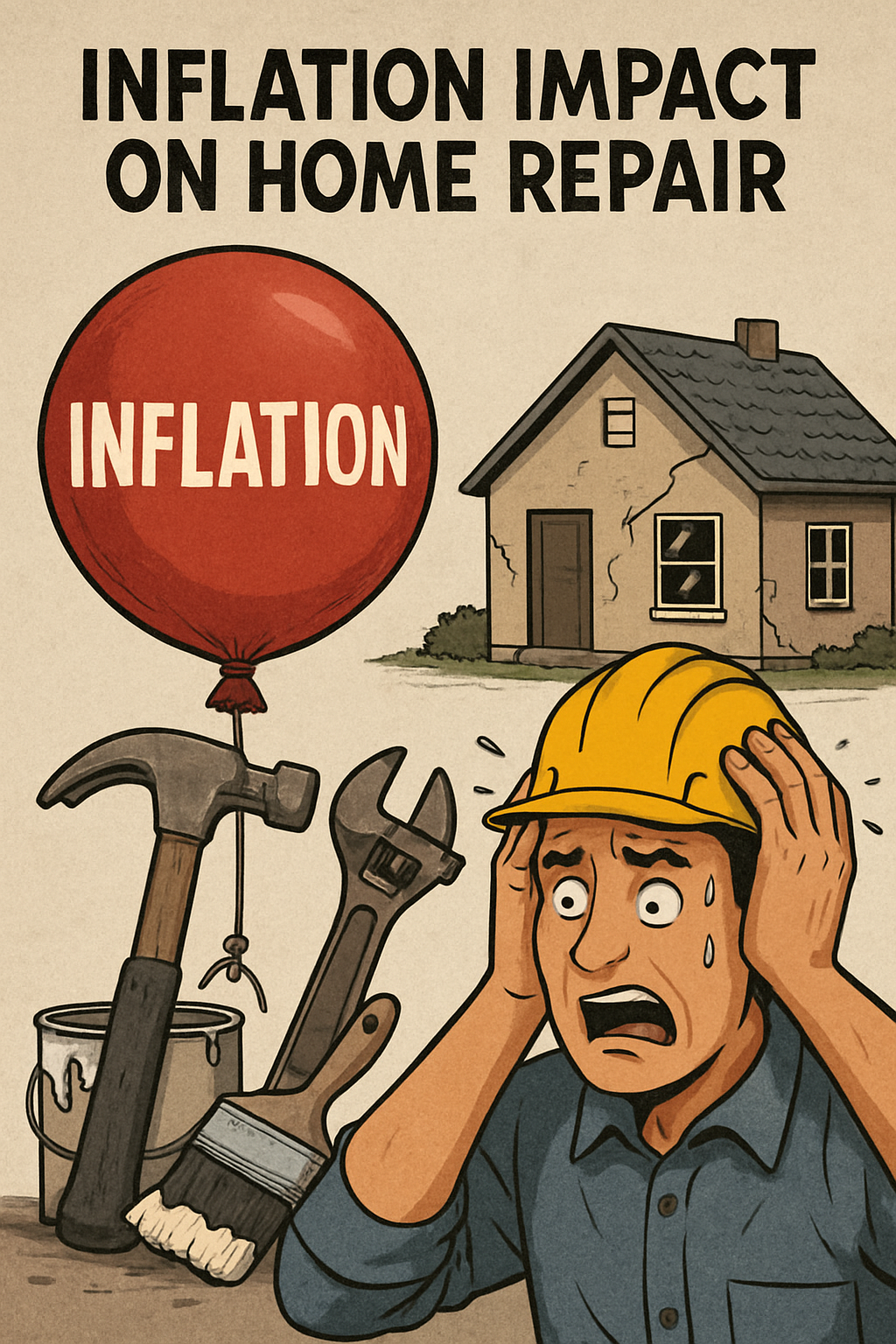
Why Quality Home Repairs Cost More: The $100 Hammer in 2026
Have you ever opened a repair estimate and felt your jaw hit the floor? You aren’t alone. In 2026, the price of a simple fix often feels like a down payment on a luxury car. Whether it’s a leaky faucet or a smart lighting setup, many homeowners are asking the same question: why quality home repairs cost more today than they did just a few years ago?
The reality is that the “handyman with a toolbox” era has evolved into a highly specialized service industry. When you pay for a professional repair, you aren’t just paying for the 30 minutes of labor; you are paying for a massive infrastructure of logistics, premium materials, and high-tech safeguards. Understanding these “invisible” costs is essential for any homeowner looking to maintain their property’s value. In this guide, we will pull back the curtain on modern pricing and show you why that “expensive” quote might actually be the best bargain you’ll find all year.
The Van on Your Driveway: More Than Just Transportation
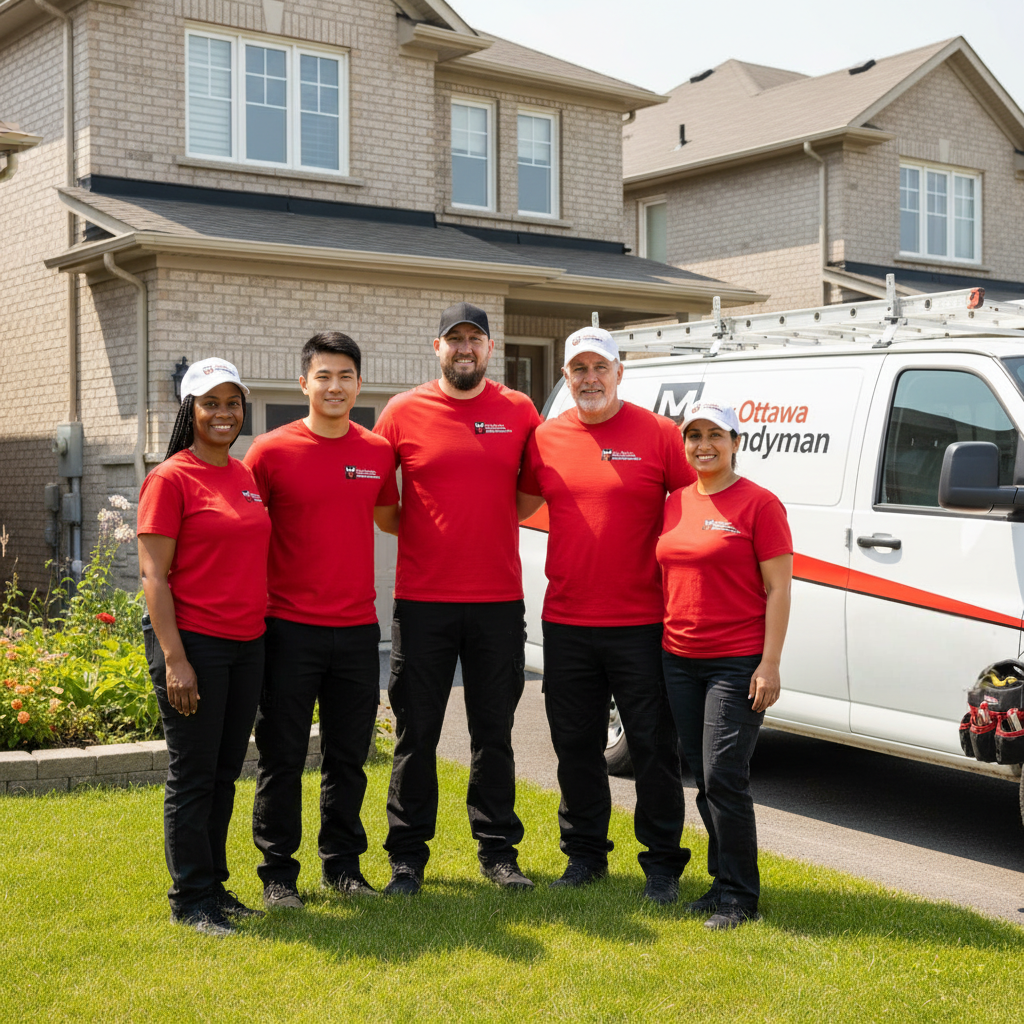
When a professional arrives at your home, the clock didn’t start when they rang your doorbell. It started when they loaded the van. In 2026, the logistics of running a mobile repair business have reached an all-time high.
The Fuel and Maintenance Surge
Fuel prices in 2026 remain volatile, but it isn’t just about the gas in the tank. Modern service vans are essentially rolling workshops. They carry thousands of dollars in specialized tools, from thermal imaging cameras to laser levels. Maintaining a vehicle capable of hauling these weights safely requires frequent servicing and heavy-duty tires, all of which have seen double-digit price increases.
Logistics and Dispatching
Even for a small handyman business, the software required to manage routes, provide real-time GPS tracking for clients, and handle digital payments comes with a “tech tax.” These subscriptions ensure you get a professional experience, but they are a significant part of why quality home repairs cost more than a “cash-under-the-table” side job.
Material Reality: High-Grade vs. Big-Box “Budget” Options
One of the biggest shocks for homeowners is the line item for materials. You might see a price for a piece of trim that is triple what you saw on a shelf at a local warehouse store.
The Problem with “Contractor Grade”
There is a massive divide in the 2026 market between “consumer-grade” and “professional-grade” materials. Big-box stores often sell lumber and fixtures designed for quick, cheap aesthetic flips. This wood is often wetter, prone to warping, and full of knots. A quality professional refuses to use these because they know the repair won’t last.
The Longevity of Premium Hardware
If a handyman installs a $20 door handle, they know they’ll be back to fix it in six months. A $100 professional-grade handle, however, is built with solid brass internals rather than plastic. When you realize why quality home repairs cost more, you begin to see that you are paying for “one-and-done” reliability. High-grade lumber and stainless steel fasteners are more expensive upfront, but they prevent the “rot and redo” cycle that plagues cheap repairs.
The Smart Home Evolution and Specialized Insurance
In 2026, a handyman isn’t just swinging a hammer; they are often integrating devices into your home’s ecosystem. This shift has changed the liability landscape entirely.
Why Standard Insurance Isn’t Enough
Ten years ago, a handyman needed basic general liability. Today, if a pro accidentally fries your $5,000 smart-home hub or compromises your network security during a repair, standard insurance won’t cover it. Professionals now carry specialized “Cyber and Tech Integration” riders. This insurance is a massive overhead cost, but it protects your home from catastrophic digital or electrical failure.
Training for Complexity
Modern homes are complex machines. Subdividing a room or installing new fixtures requires knowledge of current energy codes and smart-grid compatibility. A professional spends hours every year in continuing education. When you see a higher labor rate, you are paying for an expert who won’t accidentally trigger a fire hazard in your smart electrical panel.
The Hidden Cost of “The Cheap Guy”
It is tempting to hire the person who quotes half the price of everyone else. However, in the 2026 economy, a “cheap” quote is often a red flag for three specific risks:
- Lack of Workers’ Comp: If an uninsured worker falls off a ladder on your property, your homeowner’s insurance—and your bank account—could be on the hook for their medical bills.
- The “Double Work” Tax: The most expensive repair is the one you have to pay for twice. Cheap labor often ignores the root cause of a problem, leading to a more expensive failure later.
- Warranty Ghosting: Professionals who charge a fair price can afford to stand by their work. If something goes wrong, they come back. A “budget” worker often disappears the moment the check clears.
Comparing the Value: 2020 vs. 2026
To truly understand why quality home repairs cost more, let’s look at how the landscape has shifted over the last six years.
| Expense Category | 2020 Standard | 2026 Reality |
| Lumber (2×4) | Standard Kiln-Dried | Specialized Structural Grades |
| Tech Integration | None/Basic Wi-Fi | Smart Hubs & Hardwired Mesh |
| Insurance | General Liability | Liability + Tech + Cyber Riders |
| Communication | Phone/Text | Client Portals & Real-time Tracking |
| Tools | Hand & Power Tools | AI-Diagnostic & Laser Equipment |
As the table shows, the “value” provided in 2026 is significantly higher, even if the price tag is more intimidating.
Expert Tips for Managing Your Home Repair Budget
Since we know why quality home repairs cost more, how can you, as a homeowner, navigate these costs without going broke?
- Bundle Your Repairs: Most pros have a “trip charge” or a minimum half-day rate. Don’t call a handyman just to fix one doorknob. Create a “punch list” of 5-10 small items and have them all handled in one visit. This drastically lowers the cost per repair.
- Invest in “Lifetime” Fixtures: If you are replacing a faucet or a light, buy the high-end version. The labor cost to install a cheap faucet is the same as the cost to install a premium one.
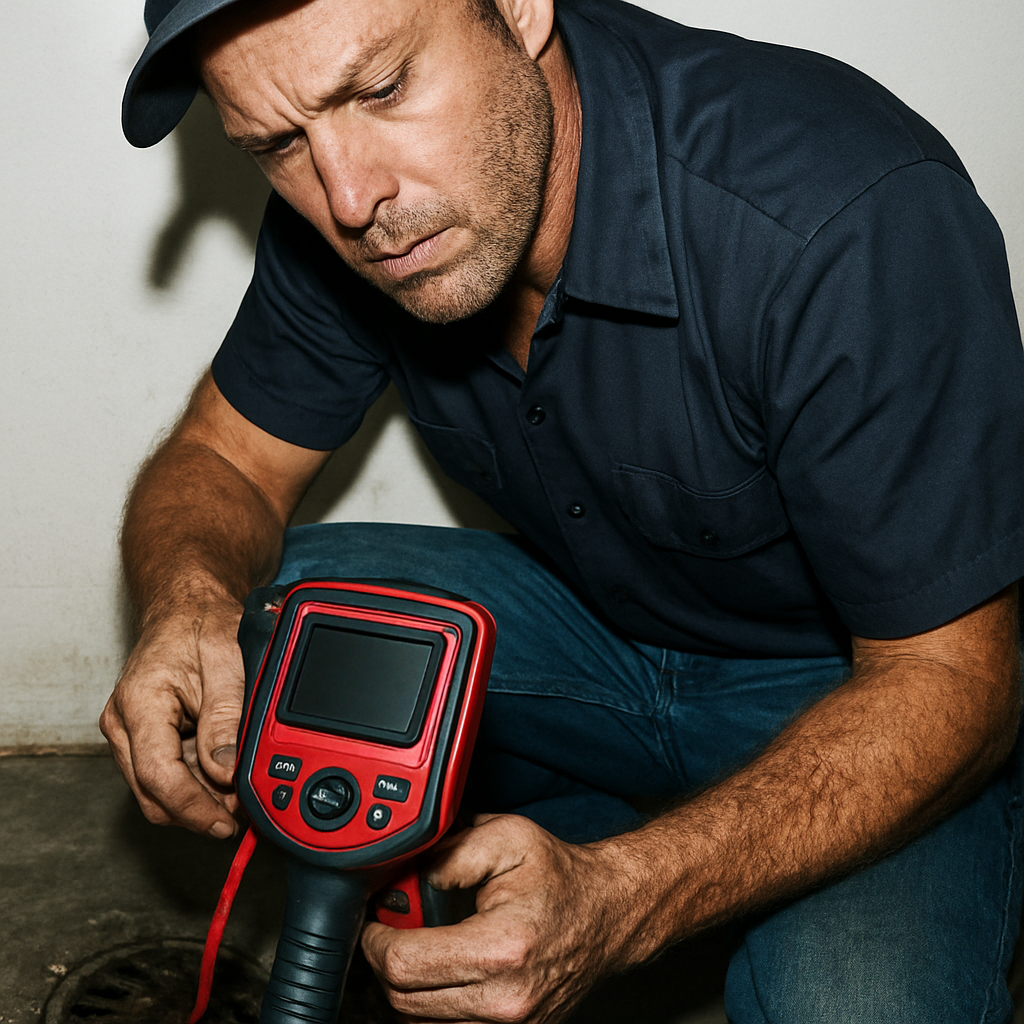
- Perform an Annual “Home Health Audit”: Spend a few hundred dollars once a year to have a professional walk your property. Identifying a small roof leak or a slow-drip pipe before it becomes a disaster is the single best way to beat inflation.
Frequently Asked Questions About Home Repair Pricing
Q: Why is there a “fuel surcharge” on my handyman’s invoice?
A: In 2026, many service providers add a transparent fuel surcharge to account for the fluctuating cost of operating heavy-duty service vehicles. This is often more honest than simply raising their hourly rate by a flat amount, as it reflects the actual distance traveled to your home.
Q: How much does a quality handyman cost per hour in 2026?
A: Depending on your region, you can expect to pay between $85 and $150 per hour for a licensed, insured professional. While this sounds high, remember that this rate covers their vehicle, specialized tools, insurance, and years of expertise.
Q: Why is premium lumber so much more expensive than the stuff at the warehouse?
A: Premium lumber is typically “Select Structural” or “Appearance Grade.” It has been dried more thoroughly to prevent warping and contains fewer defects that compromise strength. Using this wood ensures your repair remains straight and solid for decades rather than months.
Q: Is it hard for beginners to do their own home repairs to save money?
A: For simple tasks like painting or swapping a showerhead, beginners can save money. However, with the integration of smart home tech and modern building codes, “DIY” can quickly become “Destroy It Yourself.” Always consult a pro for electrical, structural, or plumbing work.
Q: Why do I need to pay for a “consultation” or “estimate” fee?
A: A professional estimate is more than a price tag; it’s a diagnostic plan. The fee covers the pro’s time, travel, and expertise in identifying the actual problem, which prevents you from paying for unnecessary parts or labor later.
Conclusion
Understanding why quality home repairs cost more is the first step toward becoming a savvy homeowner in 2026. While the initial sticker shock is real, the value lies in the “invisible” protections: the specialized insurance, the premium materials that won’t warp, and the advanced training required to handle a modern smart home.
The next time you receive a quote, don’t just look at the bottom line. Look at the quality of the materials, the reputation of the professional, and the peace of mind that comes with a warranty. The smartest move you can make today is to invest in quality once, rather than paying for “cheap” multiple times. Start by creating a prioritized list of your home’s needs and reach out to a licensed professional for a comprehensive home health audit.