Comprehensive Guide to Aging in Place Bathroom Modifications
Did you know that according to the CDC, over 80% of household falls occur in the bathroom? For seniors, the very place designed for hygiene and relaxation often becomes the most hazardous room in the house. As we age, maintaining independence becomes a top priority, and the “aging in place” movement has gained massive momentum. Central to this movement are aging in place bathroom modifications, which transform a standard, risky environment into a sanctuary of safety and accessibility.
Navigating a bathroom with high tub walls, slippery floors, and narrow doorways can be daunting for those with limited mobility. However, structural and cosmetic changes can bridge the gap between vulnerability and autonomy. Whether you are a homeowner planning for the future or a caregiver looking to protect a loved one, understanding the nuances of a handicap accessible bathroom remodel is essential.
In this guide, we will dive deep into the world of universal design. We will explore everything from simple hardware swaps to major structural overhauls like curb-less shower conversions. By the end of this article, you will have a clear roadmap for creating a senior-friendly bathroom design that balances aesthetics with life-saving functionality.
Why Aging in Place Bathroom Modifications Matter
The philosophy of “aging in place” is rooted in the desire to stay in one’s own home safely and comfortably as we grow older. The bathroom is the logical starting point for any home modification project because it is where we perform our most essential private tasks.
Preserving Dignity and Independence
Loss of mobility shouldn’t mean a loss of dignity. Modifications allow individuals to perform Activities of Daily Living (ADLs)—such as bathing and using the toilet—without constant supervision. This psychological benefit is just as important as the physical safety provided by the upgrades.
Financial Longevity and Home Value
While a major remodel requires an upfront investment, it is significantly more affordable than the monthly costs of an assisted living facility. Furthermore, universal design bathrooms are becoming a massive selling point in real estate. As the “Silver Tsunami” continues, homes already equipped with accessibility features often command a higher market value.
Essential Safety Features for Senior-Friendly Bathroom Design
Not every aging in place bathroom modifications project needs to be a full-scale demolition. Many of the most effective safety upgrades involve targeted additions that address common “fail points” in a standard bathroom.
Optimal Grab Bar Placement
Grab bars are the unsung heroes of bathroom safety. However, a common mistake is using a towel rack as a support bar; towel racks are not designed to hold human weight and will pull out of the wall during a fall.
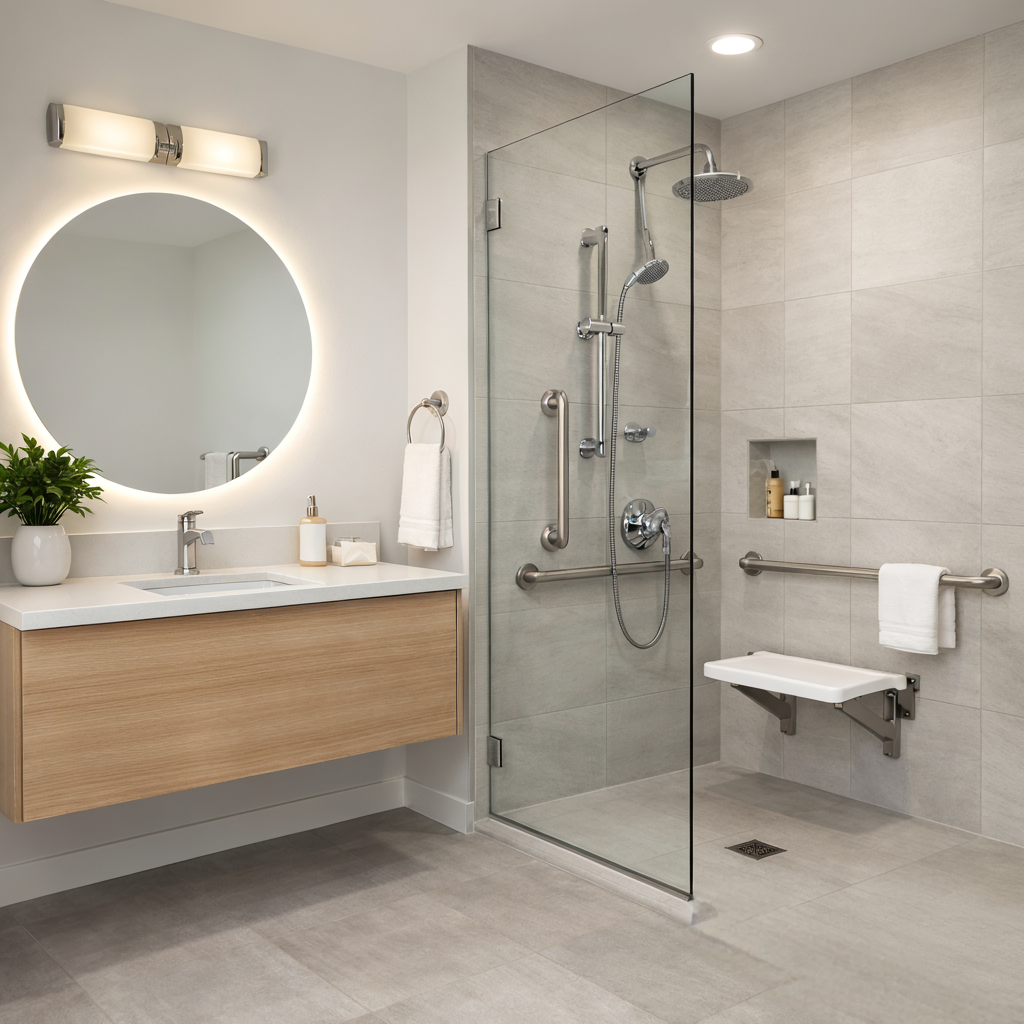
- The Entry Point: Install a vertical bar at the entrance of the shower.
- The Sidewall: A horizontal bar along the length of the tub or shower provides stability while moving.
- The Toilet Area: Bars on one or both sides of the toilet assist with sitting and standing.Expert Tip: Ensure bars are installed into wall studs or use high-load anchors designed specifically for grab bars.
Non-Slip Bathroom Flooring Solutions
Slippery porcelain tile is a recipe for disaster. When selecting new flooring, look for a high “Coefficient of Friction” (COF) rating.
- Small Mosaic Tiles: The high frequency of grout lines provides natural traction for bare feet.
- Textured Porcelain: Modern porcelain can mimic stone or wood while offering a “grippy” surface that remains slip-resistant even when wet.
- Non-Slip Coatings: If a full floor replacement isn’t in the budget, transparent anti-slip treatments can be applied to existing tile to increase friction.
Enhancing Visibility through Lighting
Vision often declines with age, making it harder to spot a puddle on the floor or the edge of a vanity.
- Motion-Sensor Lights: These eliminate the need to fumble for a switch in the dark.
- Task Lighting: Add bright, recessed LED lighting inside the shower stall and above the vanity.
- Contrast: Use contrasting colors between the floor and the wall to help with depth perception.
Major Structural Changes: Showers and Tubs
For those dealing with significant mobility issues or using a wheelchair, the most impactful aging in place bathroom modifications involve changing the way you enter the water.
Curb-less Shower Conversion: The Gold Standard
A curb-less (or zero-entry) shower removes the “trip-over” threshold entirely. The floor slopes gently toward a linear drain, allowing a wheelchair or walker to glide directly into the bathing area.
- Pros: Complete accessibility, modern “wet room” aesthetic, and easy cleaning.
- Cons: Requires expert sloping and waterproofing to prevent bathroom flooding.
Walk-in Tub Installation: A Therapeutic Option
If soaking is a priority, a walk-in tub features a watertight door that allows the user to step in rather than climb over.
- Features: Built-in seats, grab bars, and often hydrotherapy jets for joint pain.
- Consideration: You must sit in the tub while it fills and drains, which can lead to getting chilled. Look for “rapid-drain” technology to mitigate this.
Comparison Table: Walk-in Shower vs. Walk-in Tub
| Feature | Curb-less Shower | Walk-in Tub |
| Accessibility | Best for wheelchairs | Best for those who prefer sitting |
| Safety | Zero threshold | Low threshold (usually 3-5 inches) |
| Space | Open, airy | Bulky, requires more footprint |
| Resale Value | High (Universal appeal) | Niche (Appeals to specific buyers) |
Accessibility at the Vanity and Toilet
We spend a significant amount of time at the sink and toilet, yet these areas are often overlooked in a basic safety sweep.
Comfort Height Toilets
Standard toilets are often too low, making the transition from sitting to standing difficult for those with knee or hip pain. Replacing a standard unit with a “Comfort Height” or “ADA Compliant” toilet—which sits about 2-3 inches higher—can make a world of difference. Alternatively, a high-quality toilet seat riser is a budget-friendly fix.
Knee-Space and Floating Vanities
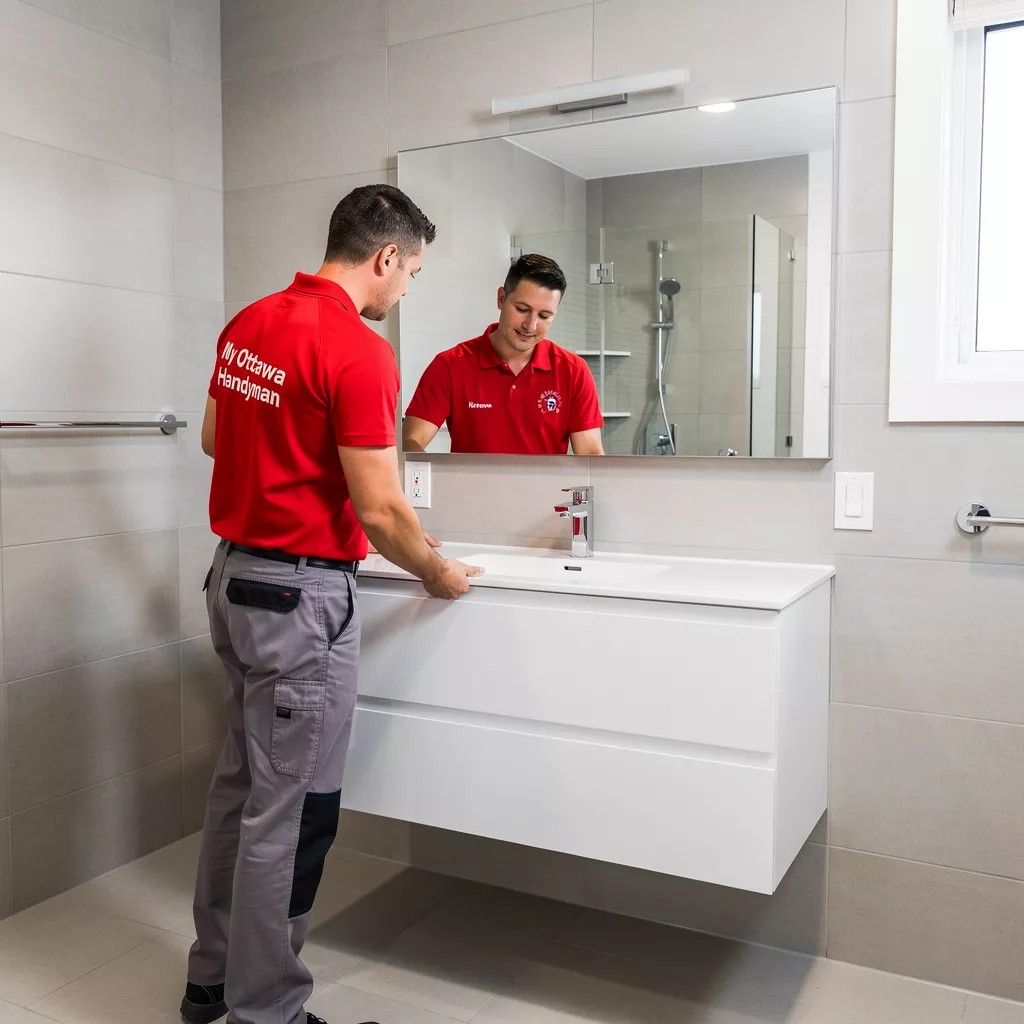
For wheelchair users, a standard cabinet vanity is a barrier. A handicap accessible bathroom remodel often includes a “floating” or wall-mounted vanity. This creates open space beneath the sink, allowing a wheelchair user to pull up directly to the faucet.
- Plumbing Note: Ensure pipes under the sink are insulated to prevent burns to the user’s legs.
Lever-Style Faucets and Door Handles
Arthritis can make twisting a knob painful or impossible. Swapping out circular doorknobs for lever handles and replacing two-handle faucets with a single-lever motion-sensing faucet ensures the bathroom remains usable even with limited hand strength.
Planning and Budgeting for Aging in Place Bathroom Modifications
Like any home improvement project, costs can vary wildly based on materials and the scope of work.
Cost Estimates for Common Modifications
- Minor (DIY-friendly): $500 – $1,500 (Grab bars, non-slip mats, raised toilet seat, lever handles).
- Mid-Range: $5,000 – $7,000 (Walk-in shower kit, comfort height toilet, upgraded lighting).
- Major (Structural): $15,000 – $35,000+ (Curb-less conversion, widening doorways, walk-in tub, full flooring replacement).
ROI and Financial Assistance
Many homeowners are surprised to find that certain aging in place bathroom modifications are tax-deductible if they are deemed medically necessary. Additionally, some insurance providers and VA grants offer financial assistance for home accessibility projects.
Common Mistakes to Avoid in Accessibility Remodels
Even with the best intentions, certain design choices can undermine safety.
- Poor Lighting in the Shower: Many people light the bathroom but leave the shower in the shadows. This is where you need visibility most.
- Ignoring the Doorway: You can have a perfect roll-in shower, but if the bathroom door is only 24 inches wide, a wheelchair won’t fit through it. Aim for a 32 to 36-inch clearance.
- Improper Drain Sloping: In curb-less designs, if the pitch isn’t perfect, water will pool in the center of the bathroom, creating a new slip hazard.
- Cheap Grab Bars: Never buy “suction cup” grab bars. They are notorious for failing when weight is actually applied. Only use screw-in bars mounted to solid blocking.
Frequently Asked Questions About Bathroom Modifications
What are aging in place bathroom modifications?
These are specific structural and cosmetic changes made to a bathroom to make it safer and more accessible for seniors or those with disabilities. The goal is to allow individuals to live in their homes independently as they age.
How much do aging in place bathroom modifications cost?
A basic safety update can cost as little as $500, while a full structural handicap accessible bathroom remodel can range from $15,000 to $35,000. The total depends on whether you are doing a “pull and replace” or changing the layout of the room.
Is a walk-in shower better than a walk-in tub?
For wheelchair users, a curb-less walk-in shower is superior. However, for those who suffer from chronic muscle pain or circulation issues, the therapeutic benefits of a walk-in tub may be more valuable.
Does insurance cover bathroom modifications for seniors?
Medicare typically does not cover home modifications, but some Medicare Advantage plans and long-term care insurance policies might. If the modification is for a veteran, the VA often provides grants for accessibility.
How long does a handicap accessible bathroom remodel take?
A minor update can be done in a weekend. A major structural renovation, such as a curb-less shower conversion, usually takes 2 to 3 weeks of active construction time.
Can I do these modifications myself?
Simple tasks like changing a showerhead or adding a raised toilet seat are DIY-friendly. However, tasks involving plumbing, electrical, or structural floor changes should always be handled by a professional to ensure they meet ADA standards and building codes.
Conclusion: Taking the Next Step Toward a Safer Home
Implementing aging in place bathroom modifications is more than just a renovation; it is an investment in your future and your peace of mind. By proactively addressing the risks of slips and falls, you are choosing a path of empowerment. From the simple addition of high-quality grab bars to the sophisticated design of a curb-less shower, every change you make contributes to a safer, more accessible home environment.
Don’t wait for an accident to happen before you consider these essential upgrades. Start by conducting a safety audit of your current bathroom. Identify the high-risk areas—like that old porcelain tub or the dim lighting—and prioritize your modifications based on your current mobility and future needs.
Whether you tackle one small project a month or dive into a full handicap accessible bathroom remodel, the goal remains the same: a home that supports you at every stage of life. Take that first step today, and transform your bathroom into a space that celebrates independence and safety for years to come.