Beat the Ottawa Chill: 3 Simple DIY Hacks for Drafty Window Repair Ottawa
The Cold Hard Truth About Ottawa Winters
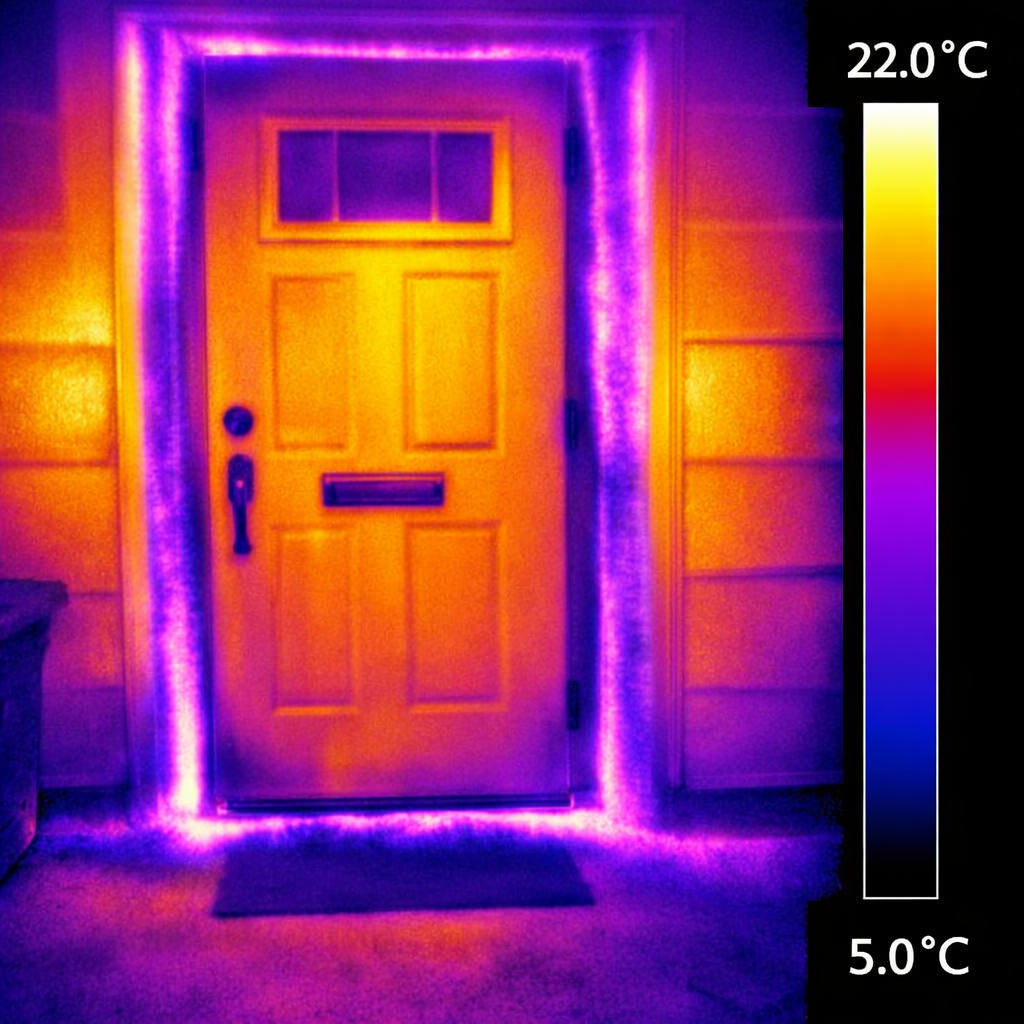
It’s a Tuesday evening in late January. The wind is howling across the Ottawa River, and the temperature has dipped to a bone-chilling -25°C. You’ve cranked the thermostat to 22°C, but as you sit on your sofa in the Westboro or Glebe area, you feel a distinct, icy finger of air stroking the back of your neck. You don’t need a weather report to tell you what’s happening: you need a drafty window repair Ottawa solution, and you need it before the next snowstorm hits.
Windows are the “weakest link” in your home’s thermal envelope. In older Ottawa neighborhoods, where beautiful heritage homes often still sport original single-pane or early double-pane glass, air leakage can account for up to 30% of your total heating bill. Ignoring these drafts isn’t just a matter of comfort; it’s a financial drain. However, you don’t always need a $20,000 window replacement to stay warm. With a few simple tools and some professional guidance, you can reclaim your comfort.
In this guide, we are going to dive deep into three proven, cost-effective DIY hacks that provide immediate relief. We’ll also discuss when it’s time to call in a professional handyman to ensure your home remains a sanctuary against the Canadian winter.
Why Drafty Window Repair Ottawa is Critical for Your Home
Before we pick up a caulking gun, it is essential to understand why sealing your windows matters so much in the National Capital Region. Ottawa has one of the most extreme temperature swings in the world. Our windows must survive +35°C humid summers and -35°C dry winters. This constant expansion and contraction cause seals to fail, wood to warp, and gaps to open.
The Financial Impact of Heat Loss
When air escapes through your windows, your furnace has to work overtime. This doesn’t just increase your Enbridge or Hydro Ottawa bill; it shortens the lifespan of your HVAC system. By performing a basic drafty window repair Ottawa homeowners can often see a return on their investment in materials within a single heating season.
Protecting Your Home’s Structural Integrity
A drafty window often lets in more than just air; it lets in moisture. In the winter, warm indoor air hits the cold window glass, causing condensation. If your windows aren’t sealed, this moisture can seep into the wooden frames and wall cavities, leading to mold growth and wood rot—problems that are far more expensive to fix than a simple draft.
Hack #1: The Art of Precision Weatherstripping
Weatherstripping is the most effective way to handle drafty window repair Ottawa for windows that still function but have lost their airtight seal. It is designed to seal the gaps between the moving parts of the window (the sashes) and the fixed frame.
Choosing the Right Material
Not all weatherstripping is created equal. For Ottawa’s climate, you have three main options:
- V-Seal (Tension Seal): A durable plastic or metal strip folded into a ‘V’ shape. It’s excellent for the sides of sliding windows.
- Foam Tapes: The easiest to install. These are best for the bottom of a window sash where it meets the sill.
- Felt: Traditional but less durable. We generally recommend sticking to foam or rubber for better longevity.
Step-by-Step Installation
- Step 1: Clean the Surface. Use rubbing alcohol to remove old adhesive, dirt, and oil. If the surface isn’t clean, the strip will peel off during the first cold snap.
- Step 2: Measure Twice. Measure the length of the window tracks and the bottom of the sash.
- Step 3: Apply and Compress. Peel the backing and press the strip firmly into place. Ensure that when the window is closed, the material is compressed tightly—this compression is what creates the “airlock.”
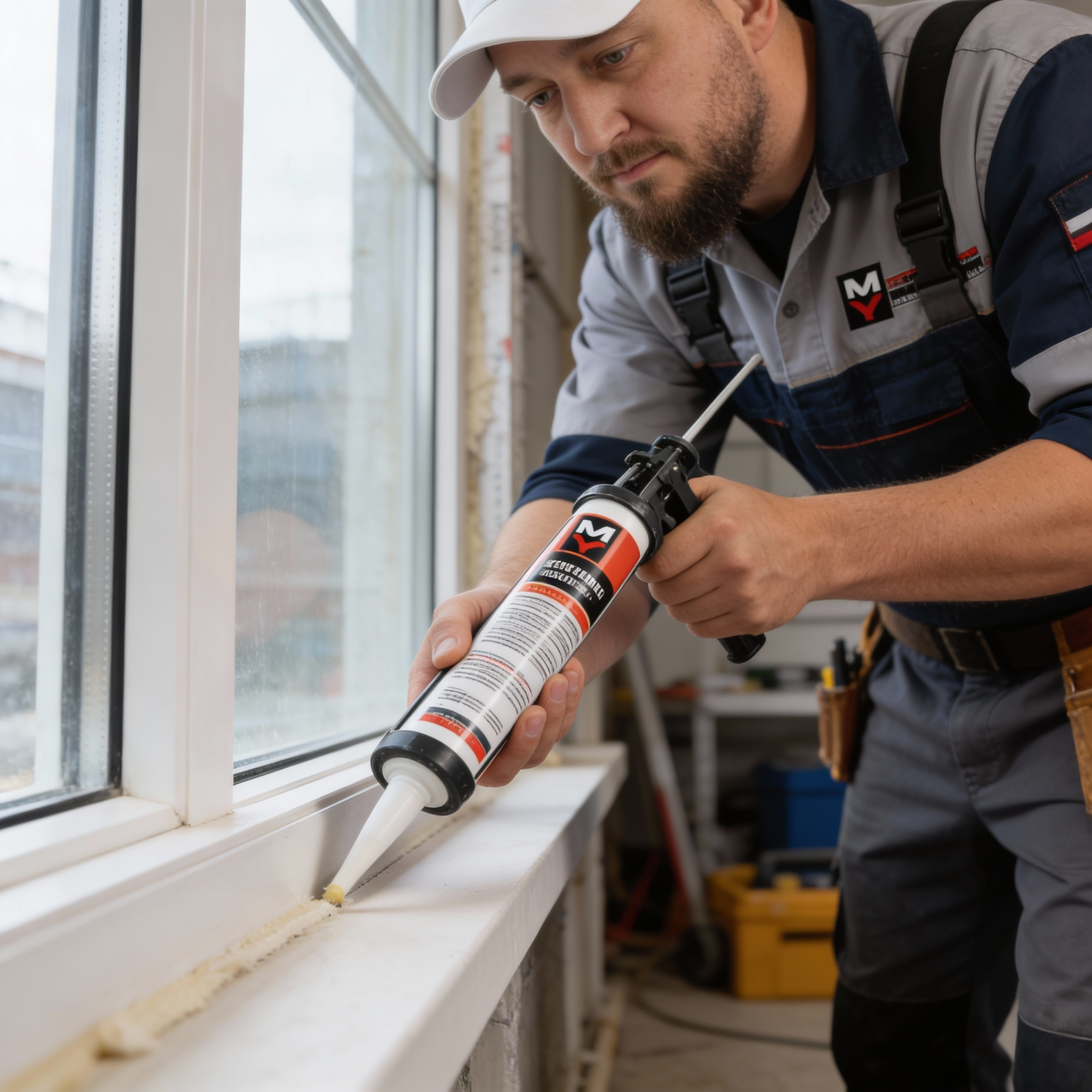
Hack #2: Mastering the Caulking Gun (The Invisible Shield)
While weatherstripping handles the moving parts, caulking handles the stationary ones. Often, the draft isn’t coming from the window glass itself, but from the gap between the window frame and your home’s siding or interior drywall.
Interior vs. Exterior Caulking
For a comprehensive drafty window repair Ottawa project, you should inspect both sides.
- Interior: Use a paintable latex or “Siliconized” acrylic caulk. This allows you to match your trim color later.
- Exterior: You must use 100% silicone or professional-grade polyurethane. These materials remain flexible in sub-zero temperatures and won’t crack when the Ottawa wind hits them.
Expert Caulking Tips
- The “Pull” Method: Don’t push the caulking gun; pull it toward you. This creates a smoother, more consistent bead.
- The Nozzle Cut: Cut the tip of the tube at a 45-degree angle. Keep the hole small—you can always make it bigger, but you can’t make it smaller.
- Tooling: Use a damp rag or a gloved finger to “tool” (smooth) the bead immediately after applying. This forces the caulk into the gap for a better seal.
Hack #3: Thermal Window Film (The “Second Pane” Solution)
If you have older single-pane windows or double-panes that have lost their insulating gas, thermal window film is your best friend. It acts as a temporary “storm window” by creating an insulating dead-air space between the glass and the film.
Why Film Works in Ottawa Homes
In neighborhoods like Rockcliffe Park or The Glebe, many windows have beautiful aesthetic value but poor R-values (insulating power). Heat-shrink film is virtually invisible once installed and can increase the “felt” temperature near a window by several degrees.
How to Install Like a Pro
- Apply Double-Sided Tape: Place the tape on the window trim, not the glass.
- Attach the Film: Start from the top and work your way down, pulling it as taught as possible by hand.
- The Heat Shrink: Use a standard hairdryer on high heat. Move the dryer in a circular motion. Watch as the wrinkles disappear, leaving a crystal-clear, drum-tight barrier that blocks drafts instantly.
When to Call a Professional Handyman in Ottawa
While these DIY hacks are excellent for minor leaks, some issues require the expertise of a professional handyman Ottawa residents can trust.
Signs of Structural Failure
If your window won’t lock, the sashes are significantly warped, or you see visible daylight through the frame, a simple piece of foam tape won’t suffice. These issues often require removing the interior trim and re-insulating the “rough opening” with low-expansion spray foam—a task best left to those with structural experience.
The My Ottawa Handyman Advantage
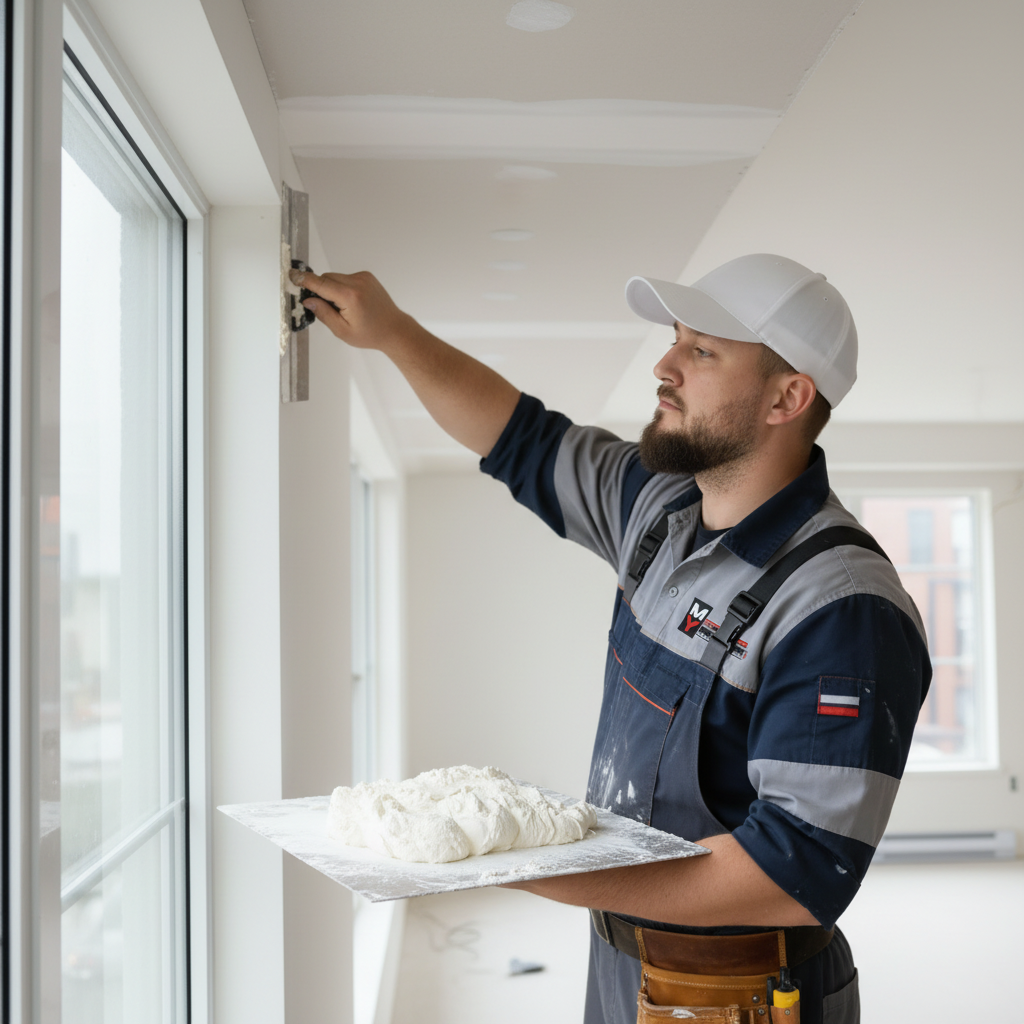
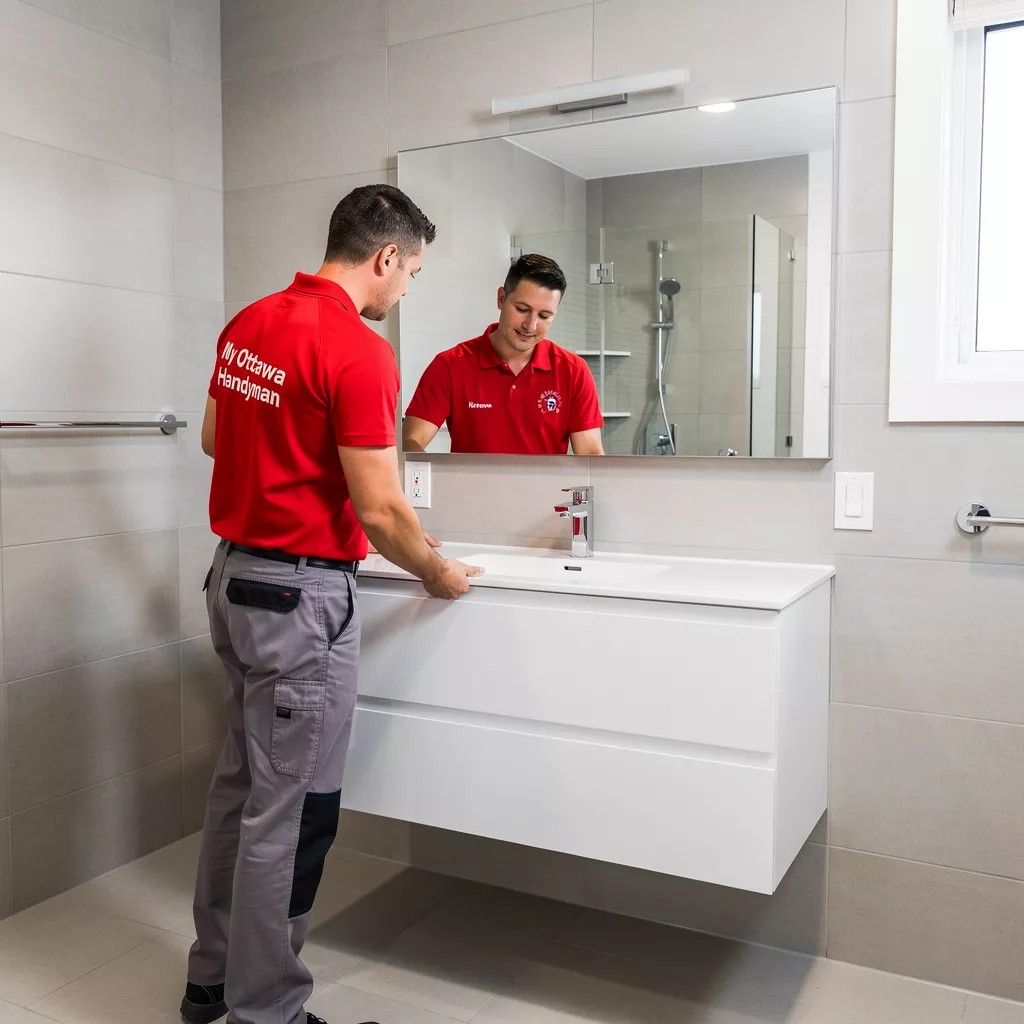
At My Ottawa Handyman, we specialize in drafty window repair Ottawa services that go beyond the surface. We can perform a professional assessment, replace rotted sills, and ensure your windows are operating at peak efficiency. Plus, with our 48-hour guarantee, you know the job is done right.
Frequently Asked Questions About Drafty Window Repair Ottawa
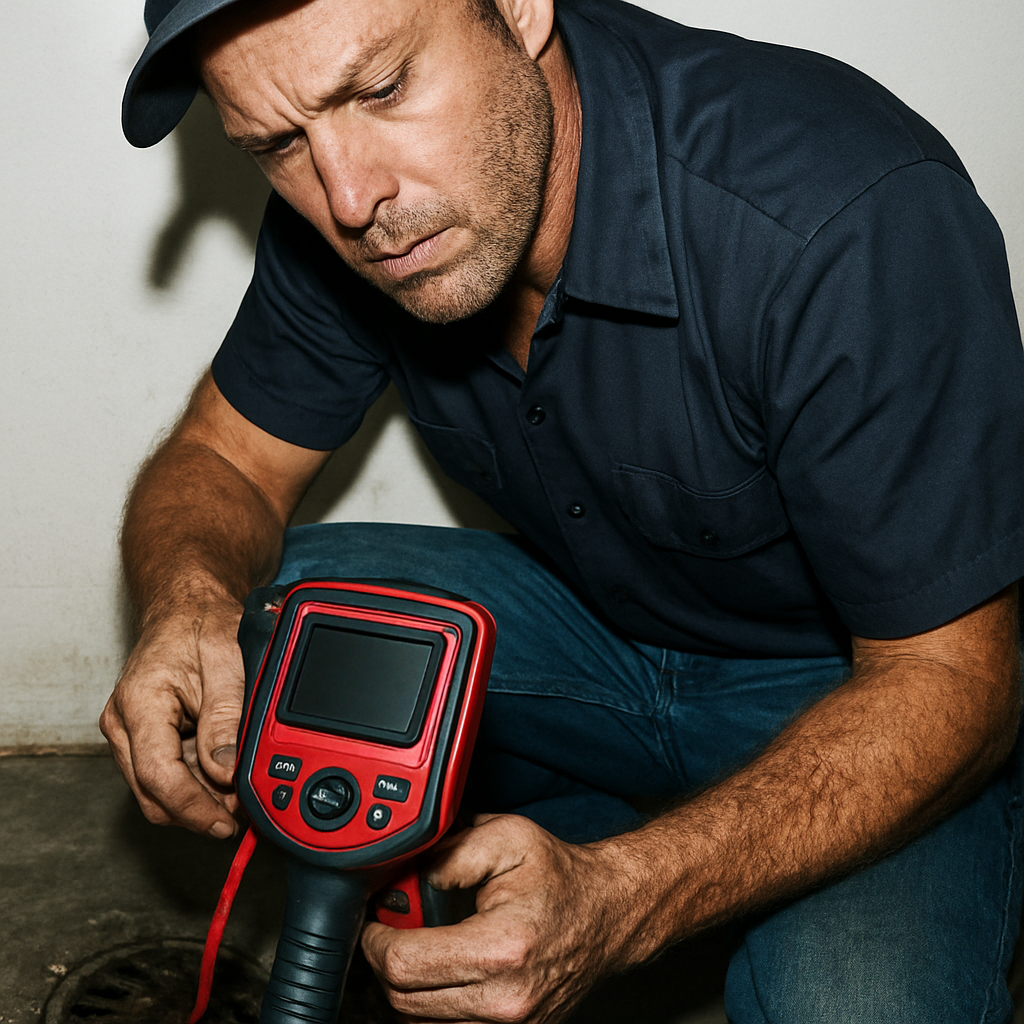
Q: How do I know exactly where the draft is coming from? A: The easiest DIY method is the “incense test.” Light an incense stick and slowly move it around the edges of the window on a windy day. Where the smoke flickers or blows sideways, you’ve found your leak. Alternatively, use a damp hand; the moisture on your skin will feel instantly cold when it hits a draft.
Q: Is it better to caulk inside or outside? A: Ideally, both. However, if you can only do one, start inside. Sealing the interior prevents warm, moist air from entering the wall cavity, which prevents frost buildup and potential mold issues within your home’s structure.
Q: How much does professional drafty window repair Ottawa cost? A: Minor repairs and weatherstripping updates are very affordable. My Ottawa Handyman offers fixed pricing for many common window repairs. Compared to the thousands of dollars required for window replacement, professional repair is a highly cost-effective alternative.
Q: Can I use regular “Great Stuff” spray foam to fix drafts? A: Caution! Standard spray foam expands with a lot of force and can actually bow your window frame, making the window impossible to open or close. Only use “Low-Expansion Window and Door” foam if you are attempting this yourself.
Q: Does window film cause damage to the paint? A: If the paint is old or peeling, the double-sided tape may lift some of it when you remove the film in the spring. We recommend testing a small, inconspicuous area first or using a hair dryer to warm the tape before removal to soften the adhesive.
Q: How long does weatherstripping last? A: In Ottawa’s climate, high-quality rubber or silicone weatherstripping usually lasts 3–5 years. Inexpensive foam tape may only last one or two seasons before it loses its “springiness” and needs replacement.
Conclusion: Reclaim Your Comfort Today
Living in Ottawa means respecting the winter, but it shouldn’t mean shivering in your own living room. By performing a drafty window repair Ottawa check-up using weatherstripping, caulking, and thermal film, you can dramatically improve your home’s energy efficiency and your own quality of life.
The first step is the easiest: take a walk around your home today and identify your “problem windows.” Start with the simplest fix—weatherstripping—and work your way up. If you find yourself overwhelmed or discover structural damage like wood rot, don’t hesitate to seek professional help.
Ready to stop the shivers? Contact My Ottawa Handyman today at 343-997-5556 for a fixed-price quote on your window repairs. We’ll help you keep the Ottawa chill exactly where it belongs—outside!