The Ultimate 10-Point Exterior Maintenance Checklist for Ottawa
Owning a home in Canada’s capital is a point of pride, but it comes with a unique set of architectural challenges. From the humid heat of a July afternoon to the bone-chilling -30°C nights in January, your home’s “envelope” takes a beating. Without a consistent Exterior Maintenance Checklist for Ottawa, small issues like a cracked seal or a clogged gutter can quickly spiral into five-figure repair bills.
The Ottawa Valley is famous for its “freeze-thaw cycle,” a weather phenomenon where water enters small cracks, freezes, expands, and then melts, effectively “prying” your home apart over time. Whether you live in a historic red-brick home in the Glebe or a modern build in Kanata, proactive care is the only way to safeguard your investment. In this comprehensive guide, we will break down the ten most critical areas of your home’s exterior that require your attention to ensure your property remains safe, efficient, and beautiful all year round.
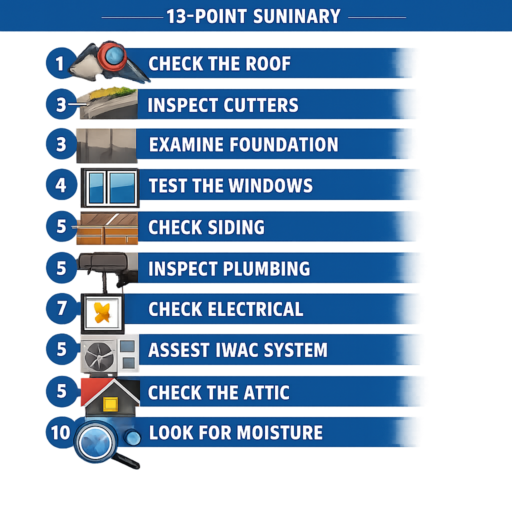
1. Roof and Shingle Integrity: Your First Line of Defense
In Ottawa, your roof isn’t just a covering; it’s a shield against heavy snow loads and torrential spring rains. A proper Exterior Maintenance Checklist for Ottawa must begin at the top.
Inspecting for Shingle Damage
High winds during summer storms or heavy ice buildup in the winter can loosen shingles. Look for curling edges, missing granules (which look like coarse sand in your gutters), or shingles that have lifted. If you have an asphalt roof, these are signs that the material is reaching the end of its 15-to-20-year lifespan.
The Danger of Ice Dams
Ottawa’s winters are notorious for creating ice dams. This occurs when heat escapes from your attic, melts the snow on the roof, and the water refreezes at the colder eaves. This ridge of ice prevents melting snow from draining, forcing water under your shingles and into your walls. Ensure your attic insulation is up to par and your soffit vents are clear to maintain a “cold roof” environment.
2. Gutter and Downspout Functionality
Water is the primary enemy of any structure. Your gutters are designed to move water away from your home, but in Ottawa’s lush, tree-filled neighborhoods like Westboro or Rockcliffe, they clog fast.
The Bi-Annual Clean
You should clean your gutters at least twice a year—once in the late autumn after the leaves have fallen and once in the spring to clear out twigs and debris from winter storms.
Downspout Extensions
Ensure your downspouts discharge water at least six feet away from your foundation. In the Ottawa Valley, our soil is often heavy with clay, which retains water and puts immense hydrostatic pressure on your basement walls.
3. Foundation and Grading: Managing the Ottawa Clay
Many Ottawa homes are built on Leda clay, which can shift significantly based on moisture levels. Your Exterior Maintenance Checklist for Ottawa must include a walk-around to inspect the “grading” (the slope of the soil).
Checking the Slope
The ground should always slope away from your foundation. Over time, soil settles. If you notice “negative grading” (soil sloping toward the house), you are inviting basement floods during the spring melt.
Inspecting for Cracks
Hairline cracks in concrete are common, but any crack wide enough to fit a nickel should be inspected by a professional. In the winter, water enters these cracks, freezes, and widens them, leading to structural instability.
4. Window and Door Seals: Energy Efficiency in Extremes
Ottawa has some of the highest temperature swings in the country. This causes materials like wood and vinyl to expand and contract, which can break the seals around your windows and doors.
The “Draft” Test
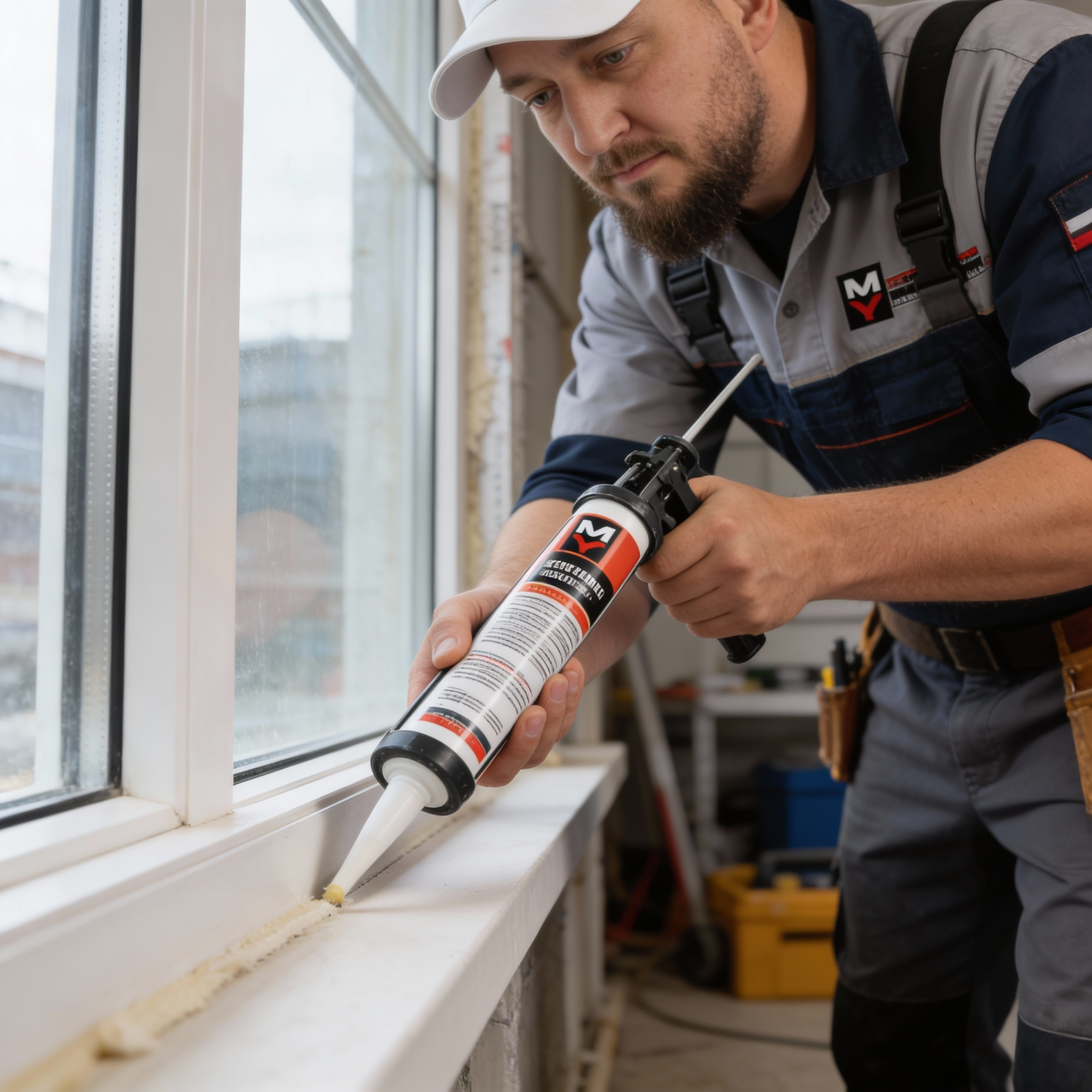
On a windy day, move a lit incense stick or a damp hand around window frames. If you feel air movement, your caulking has failed. Replacing old, cracked caulking is one of the most cost-effective ways to lower your Enbridge or Hydro Ottawa bills.
Weather Stripping
Check the rubber or foam strips at the bottom of your doors. If they are flattened or torn, they aren’t keeping the cold air out. A professional handyman can replace these in minutes, saving you hundreds in heating costs.
5. Siding and Masonry: Addressing Spalling and Rot
Whether you have brick, stone, or vinyl siding, the exterior finish of your home needs an annual health check.
Brick and Mortar (Point-Pointing)
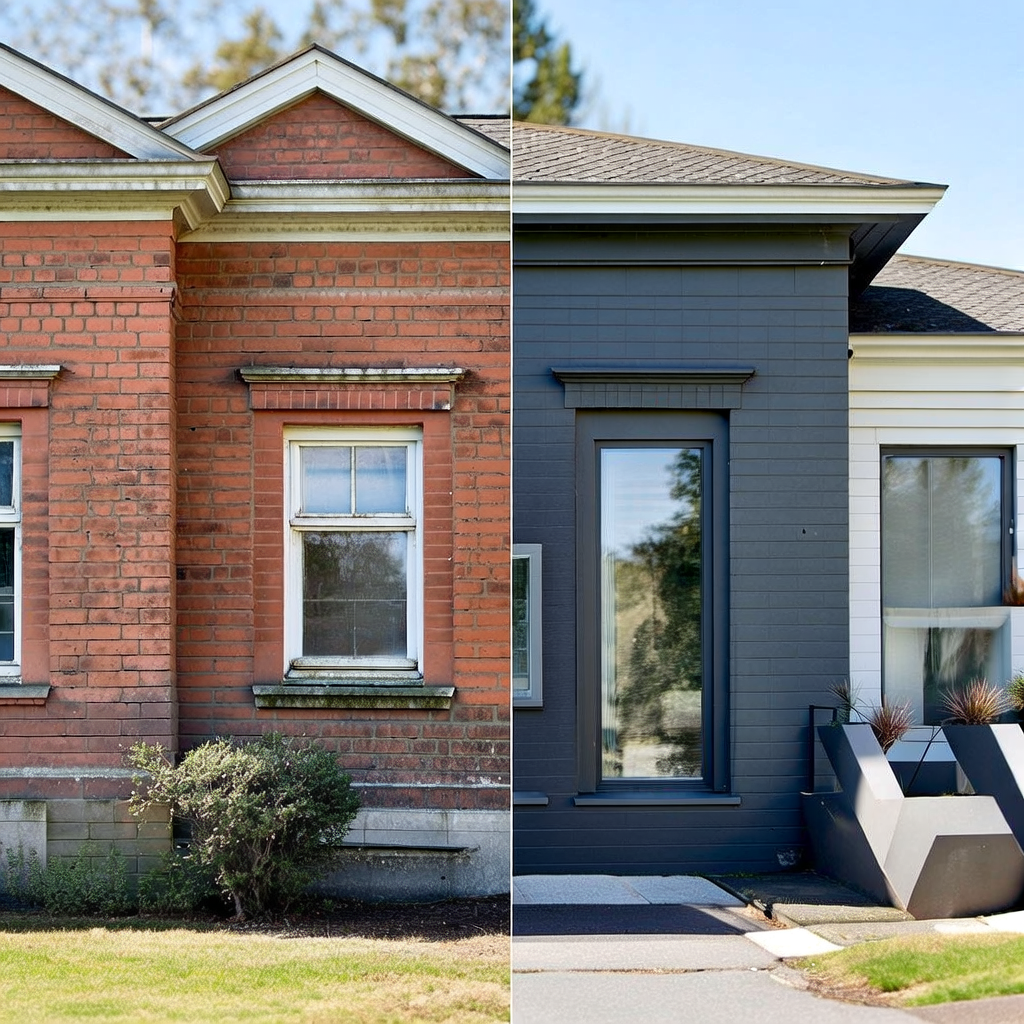
For older homes in downtown Ottawa, look for “spalling”—this is when the face of the brick flakes off. This usually happens when water is trapped inside the brick. Additionally, check the mortar joints. If the mortar is crumbling, it needs “re-pointing” to prevent water from entering the wall cavity.
Siding Cleanliness
Vinyl and Hardie-board siding can grow algae or mold on the north-facing side of the house where it stays damp. A gentle pressure wash (avoiding high pressure near seams) will keep the material from degrading and maintain your curb appeal.
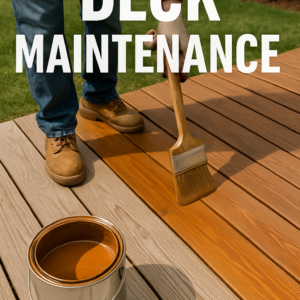
6. Deck and Fence Preservation
Wood is a natural material that wants to return to the earth. In Ottawa’s humid summers and snowy winters, unprotected wood can rot in as little as five years.
The Water Bead Test
Pour a small amount of water on your deck. If it beads up, your sealant is still working. If it soaks into the wood immediately, it’s time to clean, sand, and re-stain.
Structural Stability
Check the “ledger board”—where the deck attaches to the house. This is a common failure point that can lead to collapses. Ensure the flashing is intact and there are no signs of soft, punky wood.
7. Exterior Vents and Openings: Keeping Pests Out
As the weather cools in the fall, every mouse, squirrel, and raccoon in Ottawa is looking for a warm place to stay. Your exterior vents are their preferred doorway.
Vent Covers
Ensure your dryer, bathroom, and stove vents have functional “flappers” and mesh screens. If a screen is torn, a squirrel can chew through the plastic vent in minutes.
Sealing Gaps
Check where utility lines (gas, electricity, internet) enter the house. These holes are often poorly sealed with old putty. Use a high-quality expandable foam or silicone sealant to close these gaps.
8. Driveways and Walkways: Battling Salt Damage
Ottawa’s heavy use of road salt is a nightmare for concrete and asphalt. Your Exterior Maintenance Checklist for Ottawa should address these surfaces before the first snowfall.
Sealing Asphalt
If you have an asphalt driveway, sealing it every 2-3 years prevents water from penetrating the surface. Once water gets under the asphalt and freezes, it creates potholes and “alligator cracking.”
Concrete Spalling
Avoid using heavy salt on your front steps. Instead, use sand or “pet-safe” de-icers that are less corrosive to concrete. If your steps are already pitting, a concrete resurfacer can be applied in the warmer months.
9. Landscaping and Tree Safety
Ottawa’s “urban forest” is beautiful, but a heavy ice storm (like the one in 1998 or the recent 2023 derecho) can turn a beautiful limb into a roof-crushing projectile.
Trimming Branches
Any branch hanging within 6 feet of your roof should be trimmed. Not only can they damage shingles during high winds, but they also provide a “highway” for rodents to get onto your roof and into your attic.
Clearing Debris
Remove dead vegetation from against the foundation. Damp leaves piled against siding can lead to rot and provide a breeding ground for carpenter ants.
10. HVAC and Outdoor Faucets: Winterization
The final point on your checklist involves the systems that keep you comfortable.
Outdoor Faucets (Hose Bibs)
This is the most common cause of “mystery floods” in the spring. You must disconnect your hoses and shut off the interior valve for your outdoor faucets in the late fall. Even “frost-free” faucets can burst if a hose is left attached.
A/C Unit Protection
While you don’t need to wrap your A/C in plastic (which traps moisture and causes rust), placing a piece of plywood on the top can prevent falling icicles from damaging the fan blades.
DIY vs. Professional Maintenance: What’s the Cost?
| Task | DIY Difficulty | Professional Cost (Est.) | Frequency |
| Gutter Cleaning | Medium | $150 – $300 | Bi-Annual |
| Window Caulking | Low | $200 – $500 | Every 5 Years |
| Roof Inspection | High (Safety) | $200 – $400 | Annual |
| Deck Staining | Medium | $800 – $2,000 | Every 2-3 Years |
| Foundation Repair | High | $500+ | As Needed |
Frequently Asked Questions About Exterior Maintenance in Ottawa
Q: When is the best time to start my exterior maintenance checklist for Ottawa?
A: The “Sweet Spots” are April (Spring Cleanup) and October (Winterization). In April, you are looking for winter damage; in October, you are preparing for the upcoming freeze.
Q: Why is my Ottawa home’s brick flaking off?
A: This is likely “spalling” caused by the freeze-thaw cycle. Moisture is trapped inside the brick and expands when it freezes. It’s a sign that your masonry needs professional attention or that you have a moisture issue behind the wall.
Q: How much does it cost to have a professional handyman perform a full maintenance check?
A: Most professional handymen in Ottawa offer a “Seasonal Maintenance Package” ranging from $300 to $600. This usually includes gutter cleaning, minor caulking, and a full visual inspection report.
Q: How long does a typical exterior maintenance check take?
A: For a standard detached home, a thorough DIY inspection and minor repairs take about 4-6 hours. Professional crews can usually finish in half that time.
Q: Is it hard for beginners to do their own caulking?
A: Caulking is a skill that takes a bit of practice but is very beginner-friendly. The key is to remove the old, brittle caulk entirely before applying the new bead. Using a “dripless” caulk gun makes the process much easier.
Q: What tools do I need for my Ottawa home maintenance?
A: At a minimum, you’ll need a sturdy extension ladder, a cordless drill, a caulk gun, a stiff-bristled brush, and a high-quality garden hose with a spray nozzle.
Conclusion
Completing a regular Exterior Maintenance Checklist for Ottawa isn’t just about “chores”—it’s about financial wisdom. In a city where the weather is a constant force of nature, being proactive is the difference between a minor $50 sealant fix and a $10,000 structural repair. By following these ten points, you ensure that your home remains a sanctuary rather than a source of stress.
Your Next Step: Take a walk around your home today with a notepad. Look specifically at your gutters and the grading around your foundation. If you see anything concerning, don’t wait for the next big storm. Contact a local Ottawa professional to get a head start on your home’s health.