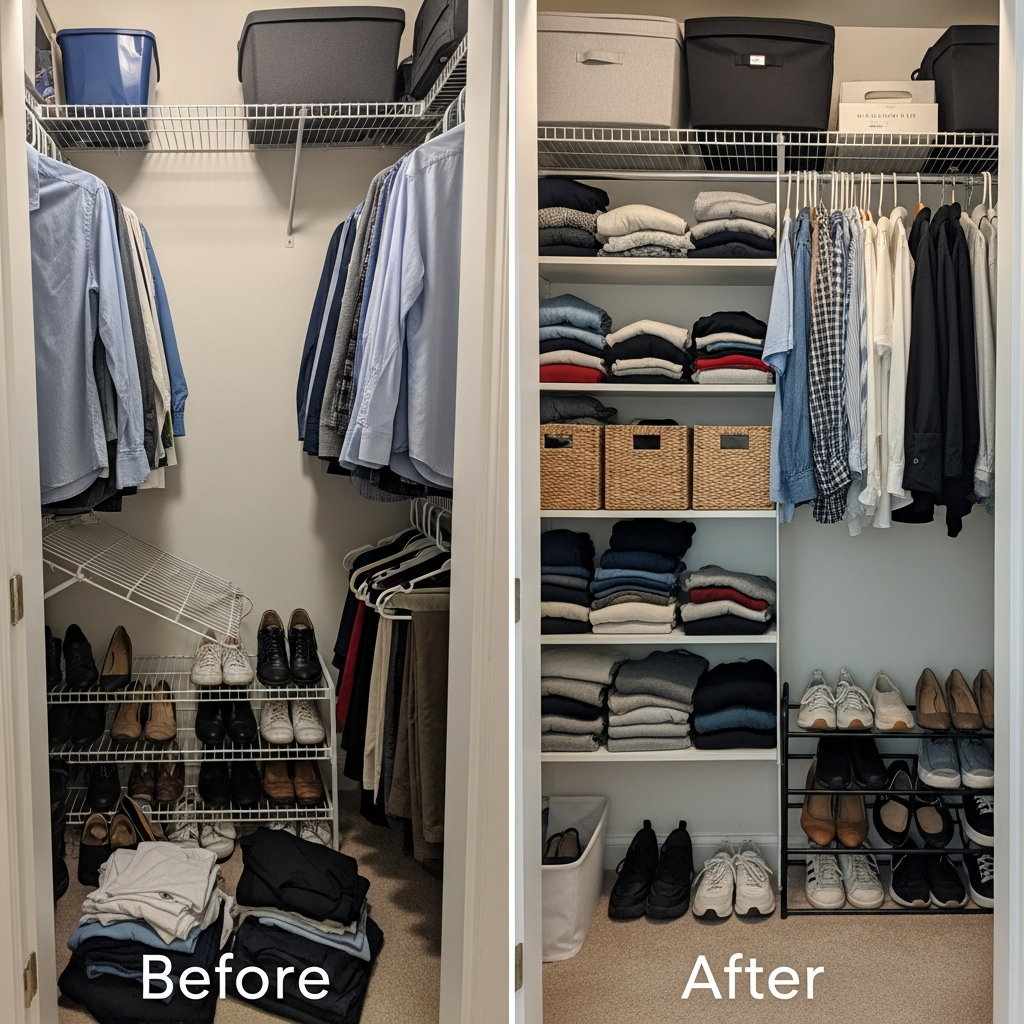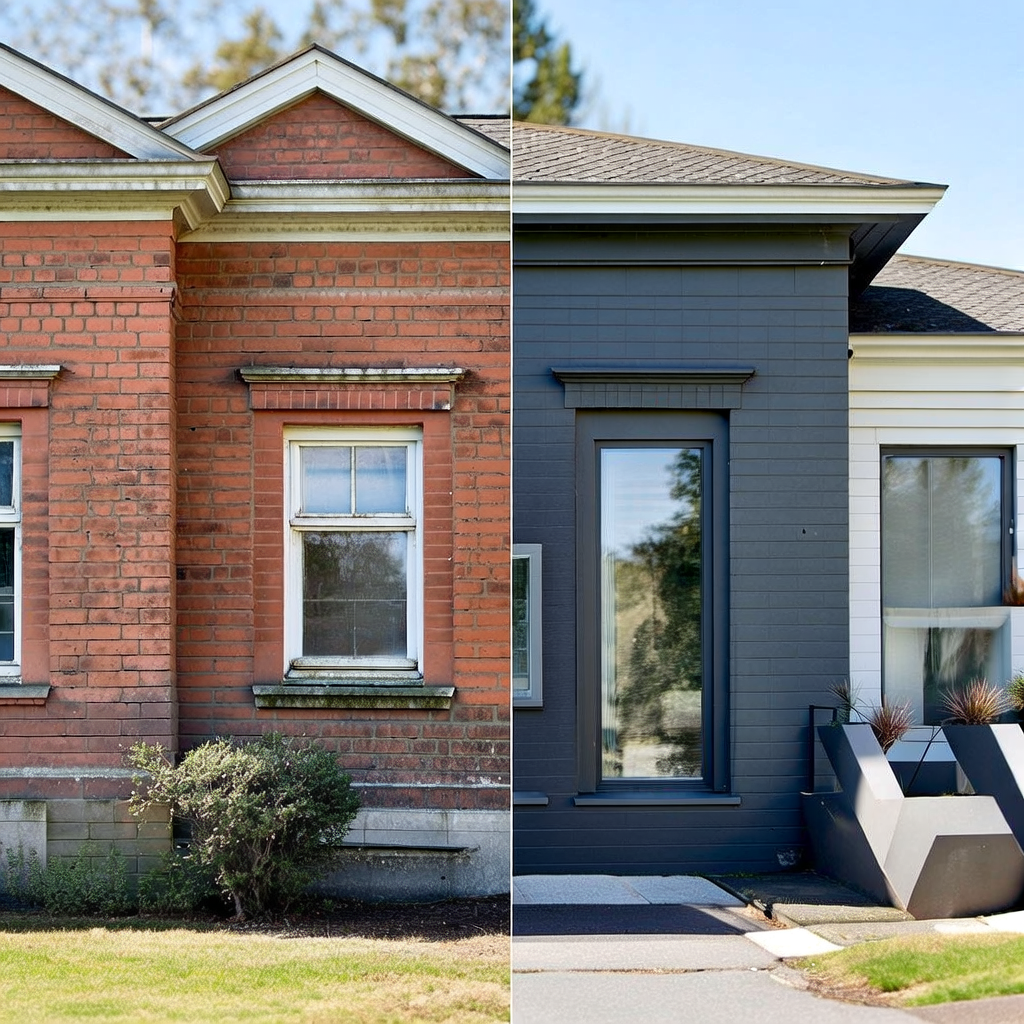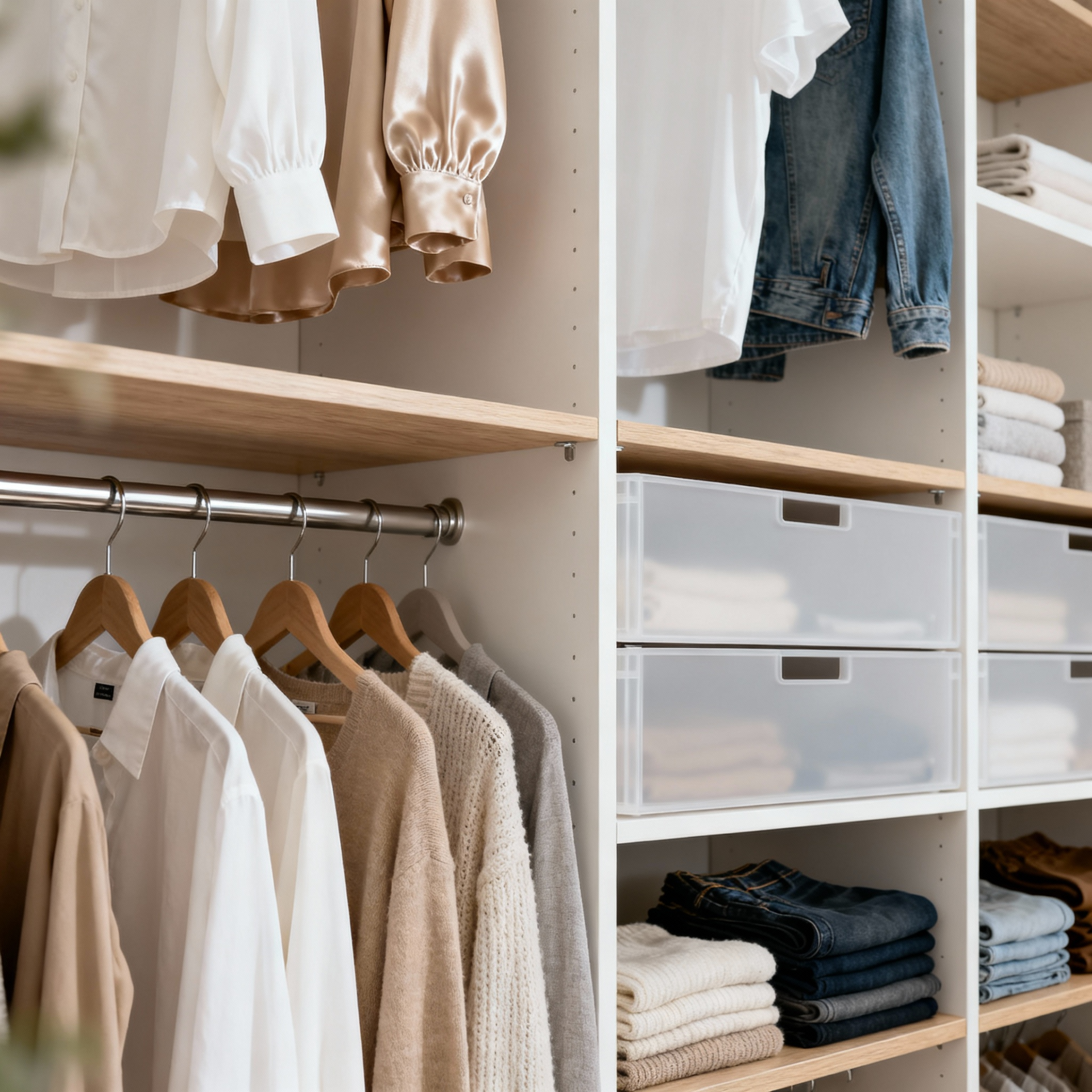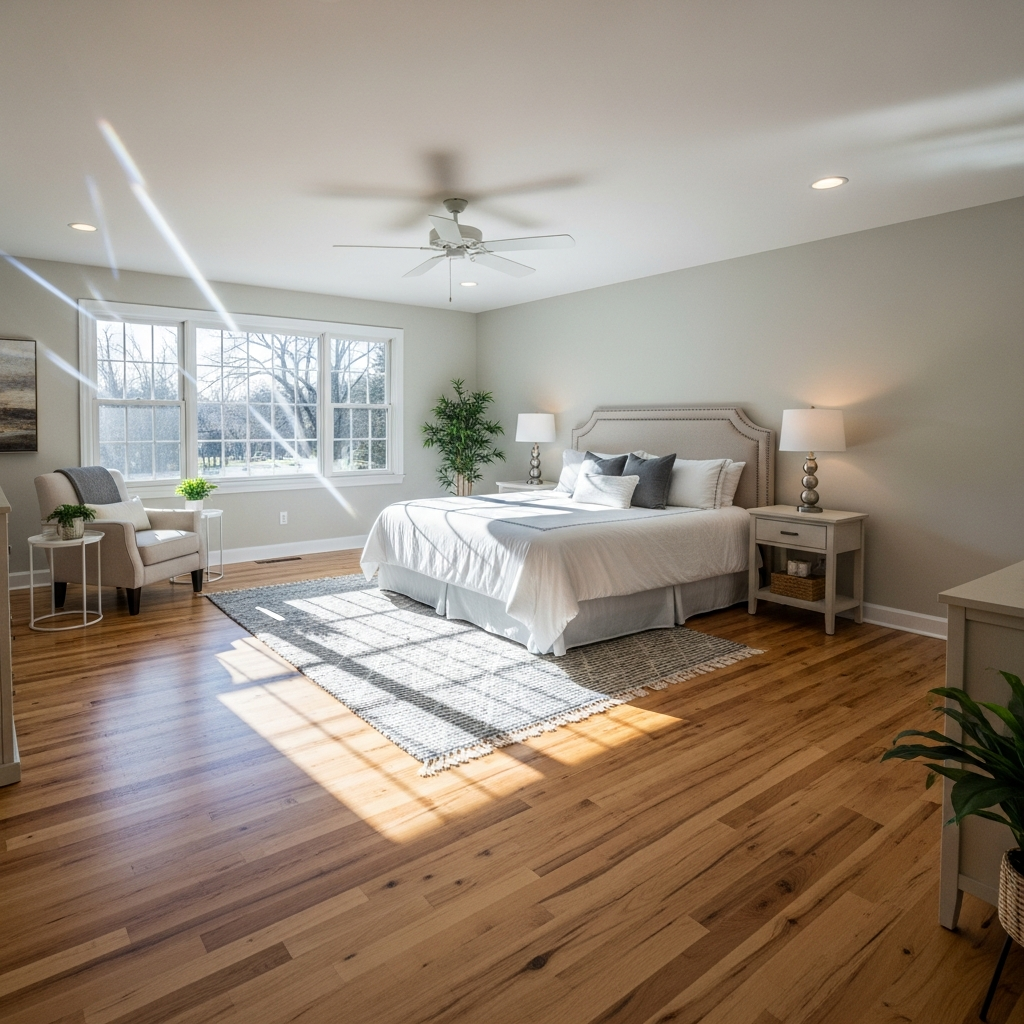
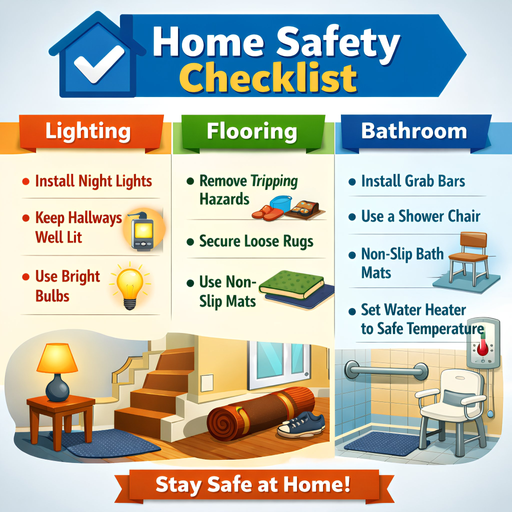
As we move into 2026, the landscape of the National Capital Region is shifting, and so are the houses we call home. Are you prepared to transform your residence into a sanctuary that balances modern style with essential accessibility? For many residents, the priority has shifted toward Baby Boomer home upgrades Ottawa experts recommend to ensure long-term independence and luxury.
Ottawa’s unique climate and diverse housing stock—from the historic red-brick homes of The Glebe to the modern builds in Kanata—present specific challenges for aging in place. Whether you are looking to simplify daily tasks or proactively prevent safety hazards, the trends for 2026 focus on “Universal Design.” This approach ensures that a home is beautiful for everyone, regardless of age or ability. In this guide, we will explore the essential renovations, high-tech integrations, and simple modifications that are defining the modern Ottawa home for the 55+ demographic.
By investing in the right improvements now, you aren’t just protecting your physical well-being; you are also significantly boosting your property’s resale value in a market that increasingly prizes accessibility. Let’s dive into the trends that are making Ottawa homes safer, smarter, and more comfortable this year.
The Rise of Universal Design in Ottawa Homes
The foundational trend for 2026 is the disappearance of “medical-looking” modifications. In years past, home safety often meant installing clinical, institutional-looking equipment. Today, Ottawa homeowners are demanding aesthetic excellence. Universal design is the practice of creating spaces that are inherently accessible without shouting “accessibility.”
In neighborhoods like Westboro and Rockcliffe Park, we are seeing a surge in open-concept layouts that remove traditional barriers. This includes widening doorways to 36 inches and removing unnecessary transitions between rooms. By creating a seamless flow, you reduce trip hazards and make the home much easier to navigate with mobility aids should they ever be needed.
Furthermore, the “zero-threshold” concept has moved from the bathroom to the front door. Flush entries allow for easy access for strollers, groceries, and wheelchairs alike. This trend is particularly valuable in Ottawa, where snowy winters make cluttered or stepped entryways a significant slipping hazard.
Bathroom Safety Modifications: Beyond the Grab Bar
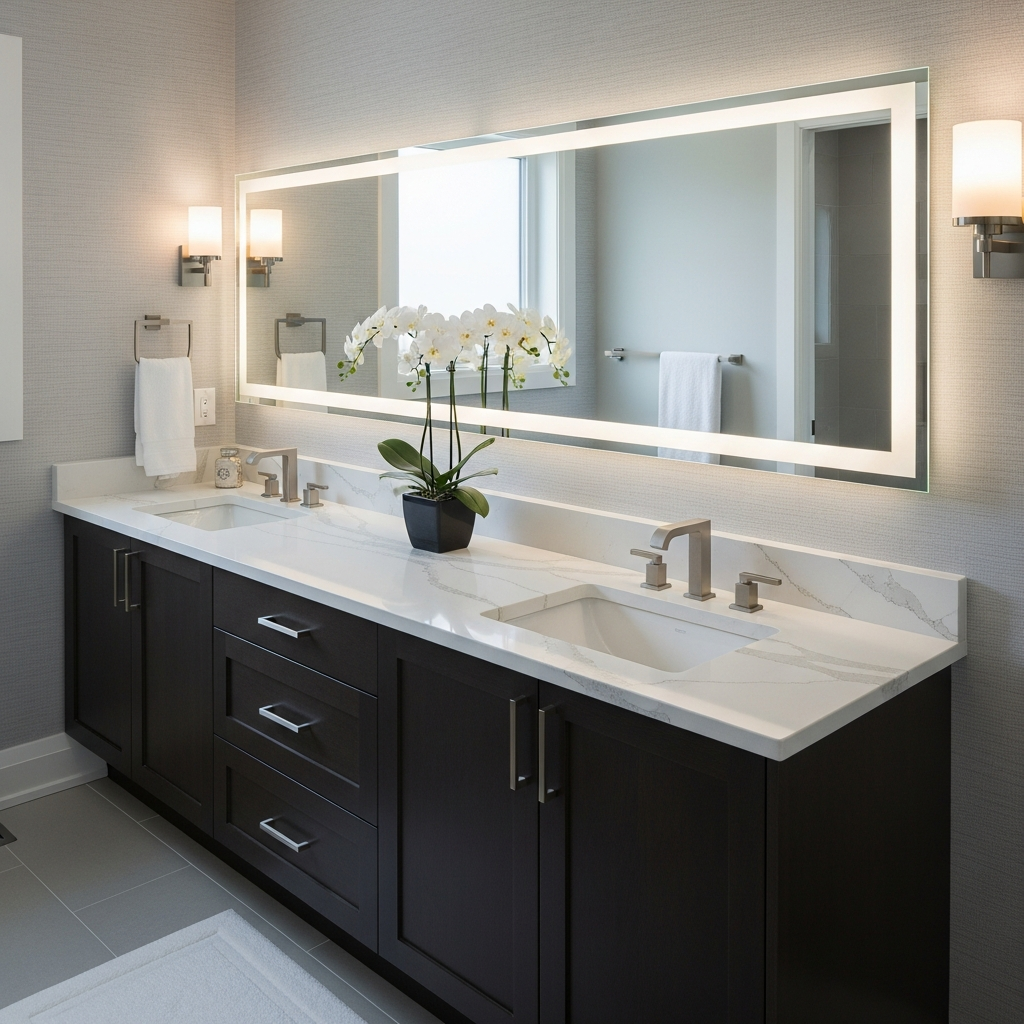
The bathroom remains the most critical area for Baby Boomer home upgrades Ottawa families prioritize. Water and slick surfaces create a high-risk environment, but the solutions in 2026 are sleeker than ever.
The Modern Wet Room and Curb-less Showers
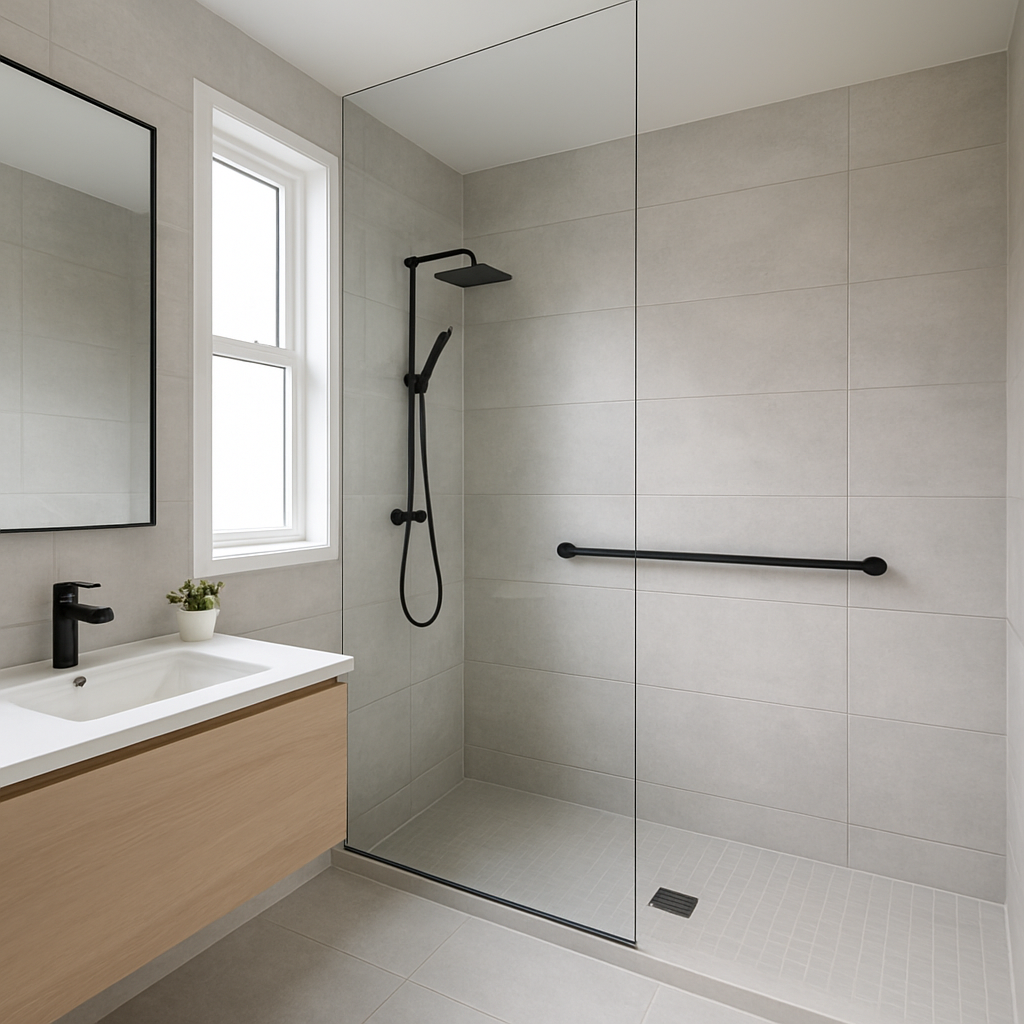
The biggest trend in bathroom safety is the curb-less, walk-in shower. By removing the traditional tub ledge or shower curb, you eliminate the single most common trip hazard in the house. These “wet rooms” often feature high-end porcelain tile with a high “Dynamic Coefficient of Friction” (DCOF) rating, ensuring the floor is non-slip even when wet.
Integrated Safety Hardware
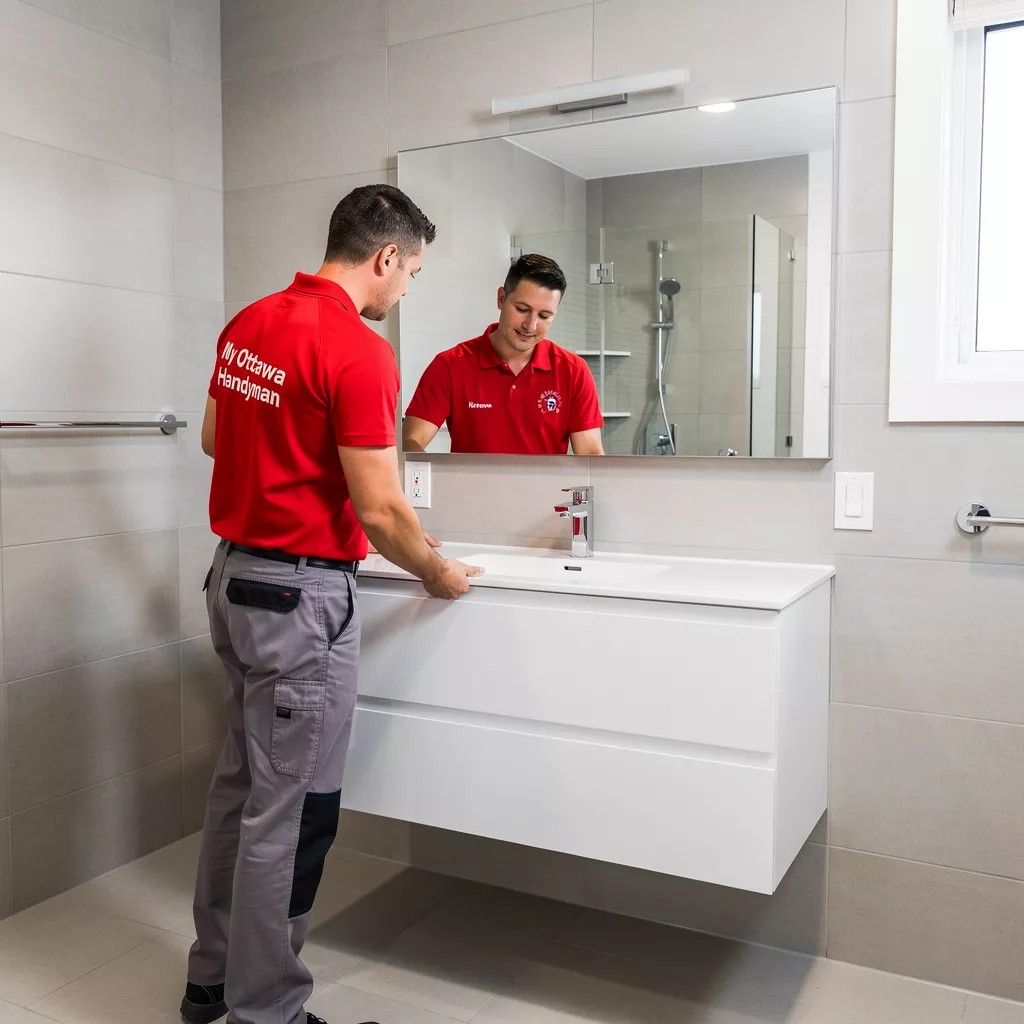
Gone are the days of chrome bars that look like they belong in a hospital. In 2026, safety rails are being integrated directly into the bathroom’s design. Think of a towel bar that is structurally reinforced to hold 500 lbs., or a toilet paper holder that doubles as a sturdy assist lever. Professional grab bar installation Ottawa services now offer finishes in matte black, brushed gold, and champagne bronze to match high-end fixtures.
Comfort and Hygiene Tech
Comfort-height toilets (standardized at 17-19 inches) are now the baseline. However, the addition of bidet seats with heated seats and motion-activated lids is the 2026 upgrade of choice. These features offer improved hygiene and comfort while reducing the physical strain of daily routines.
Kitchen Accessibility: The Heart of the Home Reimagined
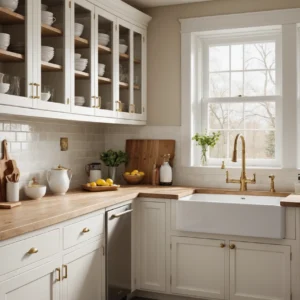
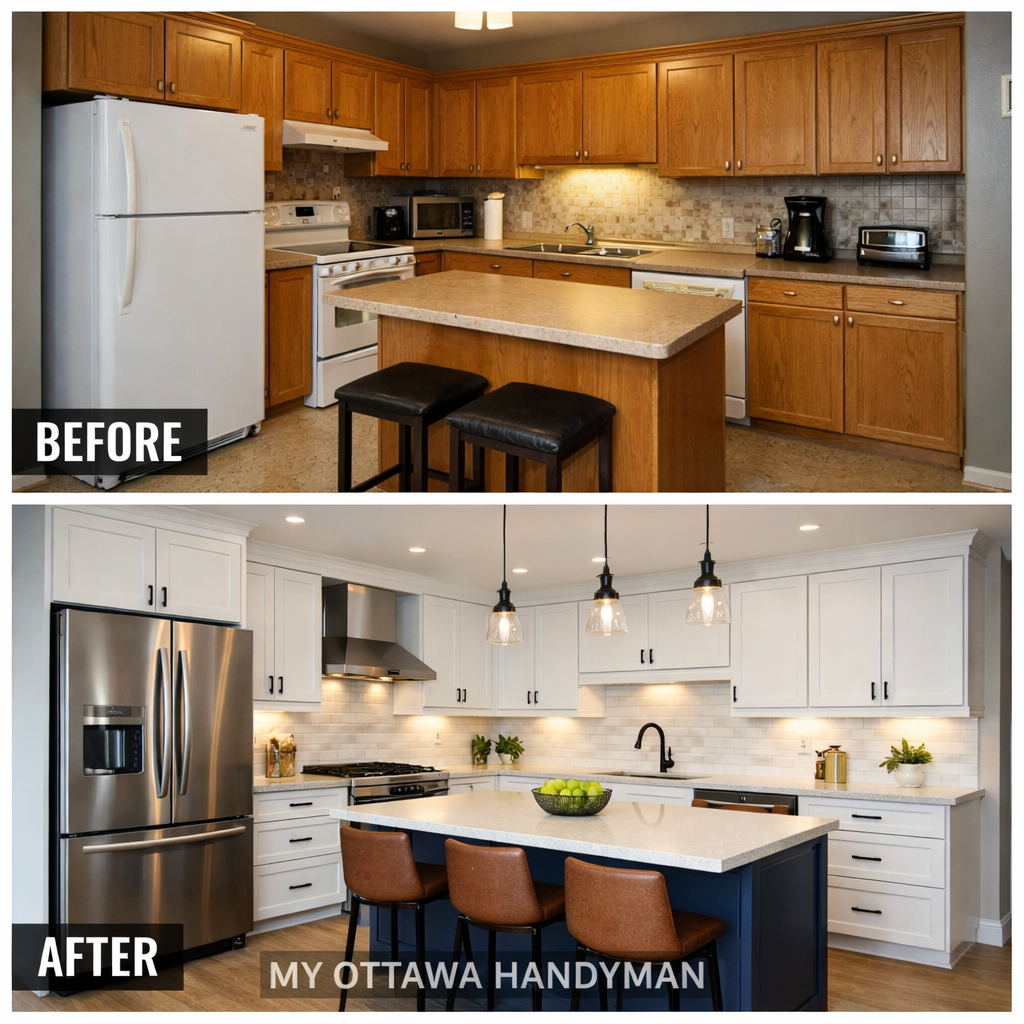
Kitchens are the most used rooms in the house, yet they are often the least ergonomic. The 2026 trends for Baby Boomer home upgrades Ottawa focus on reducing the need to bend, reach, or lift heavy items.
Pull-Down and Pull-Out Storage
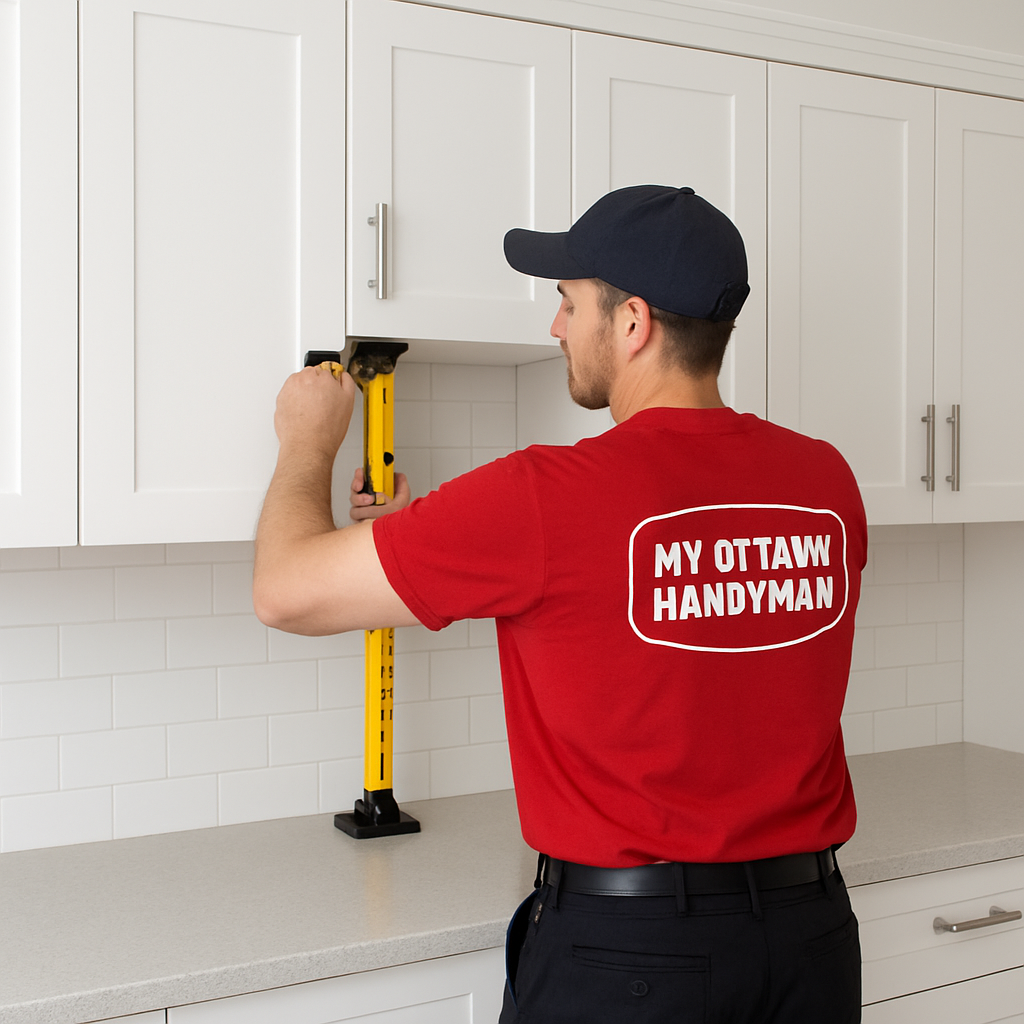
Deep lower cabinets are notorious for becoming “black holes” where heavy pots and pans are lost. Modern kitchen accessibility relies on full-extension pull-out drawers. For upper cabinets, motorized pull-down shelving brings high-reach items down to counter level at the touch of a button.
Multi-Level Countertops
A kitchen that accommodates everyone often features varied counter heights. Lower sections allow for food preparation while seated, which is a game-changer for long tasks like holiday meal prep. This is a primary feature of universal design that adds immense functional value to an Ottawa home.
Lever-Style and Touchless Faucets
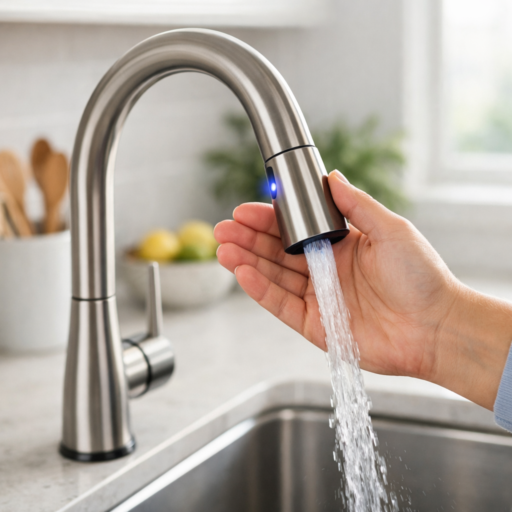
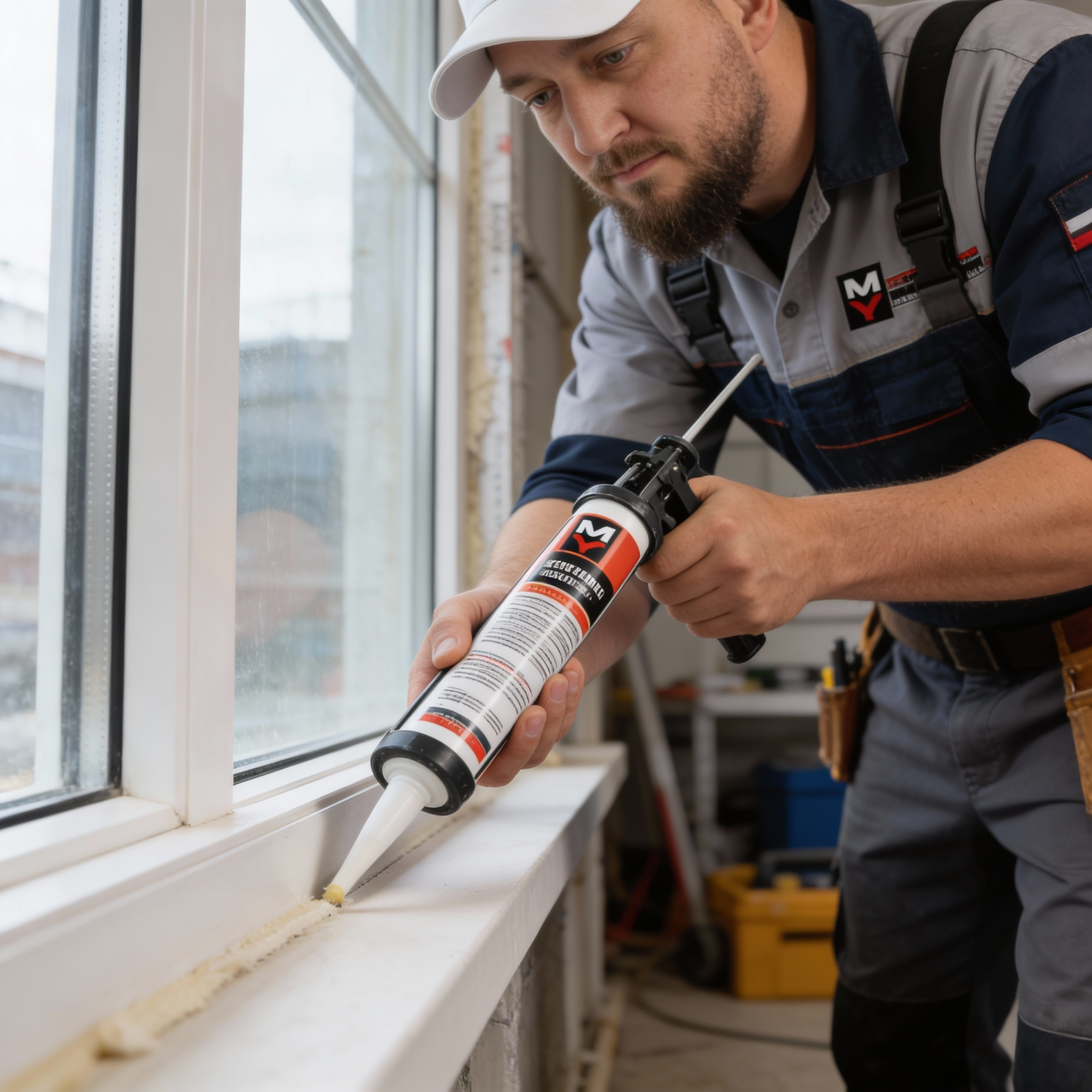
Turning a traditional knob can be difficult for those with arthritis. The trend in 2026 is toward high-arc faucets with lever handles or, better yet, touchless “wave” sensors. These improvements are simple for a professional handyman to install but provide an immediate daily benefit.
Smart Home Technology for Ottawa Seniors in 2026
Technology is no longer a barrier; it is a bridge to independence. Smart home technology for seniors has become more intuitive, focused on “passive” safety.
| Technology | Purpose | Safety Benefit |
| Smart Lighting | Motion-activated paths | Prevents falls during night-time trips to the bathroom. |
| Video Doorbells | Remote monitoring | Allows residents to see visitors without rushing to the door. |
| Smart Thermostats | Voice-controlled HVAC | Ensures comfort during Ottawa’s extreme temperature swings. |
| Leak Detectors | Automatic shut-off | Prevents water damage from forgotten taps or pipe bursts. |
Smart lighting systems are particularly popular in the 2026 market. You can program your home so that a soft glow illuminates the path from the bedroom to the kitchen at 2:00 AM. This “circadian lighting” also helps regulate sleep patterns, which is essential for long-term health.
Lighting and Flooring: Preventing Falls with Style
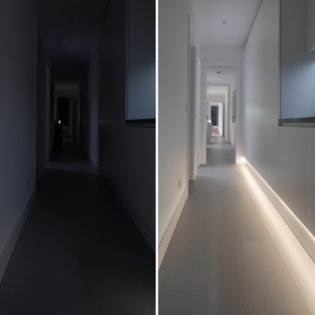
Fall prevention is the primary driver behind most Baby Boomer home upgrades Ottawa residents invest in. Lighting and flooring are the “silent partners” in this effort.
Lighting Upgrades
As we age, our eyes require significantly more light to see clearly. In 2026, we are moving away from single overhead “boob lights” toward layered lighting. This includes:
- Task Lighting: Focused light over counters and desks.
- Ambient Lighting: General room illumination.
- Accent Lighting: Highlighting stairs and transitions.
- LED Toe-Kick Lighting: Lights installed at the bottom of cabinets to illuminate the floor without glare.
Non-Slip Flooring Trends
Carpet can be a trip hazard, and traditional hardwood can be slippery. The 2026 trend is toward Luxury Vinyl Plank (LVP) and high-friction porcelain. These materials offer the warmth and beauty of wood but with a textured surface that provides superior grip. In areas like the mudroom—essential for Ottawa’s snowy winters—installing radiant floor heating is another trend that ensures ice and snow melt and dry quickly, preventing puddles.
Financial Benefits: Boosting Home Value in the Ottawa Market
Many Boomers worry that “safety” upgrades will make their home harder to sell. In the 2026 Ottawa market, the opposite is true. With a significant portion of the population entering their retirement years, an “accessibility-ready” home is a premium asset.
Homes in areas like Stittsville and Barrhaven that feature curb-less showers, main-floor master suites, and smart lighting often sell faster and for higher prices than homes requiring future renovations. You aren’t just spending money on your comfort; you are future-proofing your largest investment.
Expert Tips for Choosing a Handyman in Ottawa
Not all contractors understand the nuances of accessibility. When looking for Baby Boomer home upgrades Ottawa professionals, keep these three tips in mind:
- Check for WSIB and Insurance: Home modifications involve structural changes and electrical work. Ensure your pro is fully covered.
- Ask for a Fixed Quote: Avoid hourly rates for safety installations like grab bars or shelving. A fixed price ensures the job is done right without the pressure of a ticking clock.
- Verify the Guarantee: A reputable Ottawa handyman should offer a 48-hour correction guarantee. If a safety rail feels loose or a light isn’t positioned correctly, they should make it right immediately.
Frequently Asked Questions About Baby Boomer Home Upgrades
Q: What is the most important home upgrade for seniors?
A: Lighting and bathroom safety are the top priorities. Specifically, installing a curb-less shower and motion-sensor lighting can prevent the majority of home-related falls.
Q: How much do Baby Boomer home upgrades Ottawa typically cost?
A: Small modifications like grab bar installation can cost between $150 and $400, while a full curb-less shower renovation can range from $8,000 to $15,000. Many homeowners choose to do these upgrades in stages.
Q: Does insurance cover home safety modifications in Ontario?
A: Generally, private home insurance does not cover upgrades. However, you may be eligible for the Ontario Senior Home Safety Tax Credit, which can cover up to 25% of eligible expenses.
Q: Is smart home technology hard for seniors to use?
A: Not in 2026. Most systems are now voice-activated (via Alexa or Google) or entirely passive (motion-activated), meaning you don’t need to fumble with a smartphone to stay safe.
Q: Can I install grab bars on my own?
A: While possible, it is not recommended unless you can guarantee you are hitting a stud or using industrial-grade anchors. A poorly installed grab bar is a significant safety risk.
Q: When should I start planning my home upgrades?
A: Ideally, five to ten years before you think you’ll “need” them. Proactive renovations allow you to enjoy the comfort and style of the upgrades while you are fully mobile.
Conclusion
The shift toward Baby Boomer home upgrades Ottawa trends in 2026 is a move toward empowerment. By embracing universal design, smart technology, and strategic safety modifications, you are choosing to stay in the community you love without compromising on style or safety. From the simple addition of a reinforced safety rail to the complete transformation of a curb-less wet room, these improvements offer an unparalleled return on investment—both financially and personally.
The next step is to conduct a “safety walk-through” of your home. Identify the areas where you feel the most friction or anxiety. Whether it’s a dark hallway or a high bathtub ledge, addressing these issues today ensures a more comfortable and independent tomorrow.