The Ultimate Guide to Dryer Duct Lint Trap Safety and Efficiency
Did you know that nearly 15,000 home fires are started by clothes dryers every year? The culprit isn’t usually a mechanical failure, but rather the highly flammable lint that escapes your dryer’s internal screen. Installing a dryer duct lint trap is one of the most effective ways to protect your home and ensure your appliance runs at peak performance.
Standard lint screens capture about 70-80% of debris, but the remaining fine particles travel into your hidden ductwork. Over time, this buildup restricts airflow, forcing your dryer to work harder and run hotter. By adding a secondary dryer duct lint trap, you create a second line of defense that catches lint before it can clog your walls or exit vents.
In this comprehensive guide, we will explore why these traps are essential, how to choose the right one for your setup, and the step-by-step process for maintaining a lint-free home. Whether you are dealing with a long duct run or simply want to lower your energy bills, understanding your lint management options is a crucial step in modern home maintenance.
Understanding the Role of a Dryer Duct Lint Trap
Most homeowners assume the removable screen inside their dryer is enough to handle the job. However, professional HVAC technicians often find pounds of lint packed into the “accordion” transition hoses and rigid wall pipes. A dryer duct lint trap serves as an auxiliary filtration system, typically installed in the duct line between the dryer and the wall.
The Physics of Lint Accumulation
Lint is comprised of tiny fabric fibers that shed during the tumbling and heating process. Because these fibers are lightweight and often damp, they cling to the interior surfaces of metal or plastic ducts. As the layers thicken, the diameter of your exhaust path narrows. This creates backpressure, which can damage the dryer’s heating element and significantly increase drying times.
Why Standard Filters Fail
Standard internal filters are designed for convenience, not 100% efficiency. They must allow enough air to pass through to dry your clothes quickly, which means the mesh cannot be too fine. A secondary dryer duct lint trap provides more surface area and a finer mesh to catch those elusive particles that the primary screen misses.
Benefits of Installing a Secondary Lint Filter
Investing in a secondary filtration system offers more than just peace of mind. It directly impacts your wallet and the longevity of your appliances.
1. Significant Fire Prevention
The primary benefit of a dryer duct lint trap is safety. Lint is highly combustible; when it builds up near the heating element or inside a hot duct, a single spark can ignite a fast-spreading fire. By capturing lint in a visible, easy-to-access trap, you remove the fuel source from the danger zone.
2. Enhanced Dryer Efficiency
When airflow is restricted, your dryer has to run for multiple cycles to get a single load of towels dry. This wastes electricity and wears out the motor. A clean duct system, maintained by a secondary trap, ensures that moist air exits the house as quickly as possible.
3. Easier Maintenance Access
Cleaning a 20-foot duct run that goes through your attic or crawlspace is a nightmare for most DIYers. A dryer duct lint trap is usually installed at eye level or in an accessible spot behind the dryer. Cleaning the trap takes seconds, whereas cleaning the entire duct system might require a professional service every year.
Types of Dryer Duct Lint Traps
Not all laundry rooms are configured the same way. Depending on your home’s layout, you might need a specific type of trap to handle your dryer’s exhaust.
Indoor Dryer Vent Kits
In some apartments or older homes, venting to the outside isn’t possible. Indoor kits use a water reservoir or a fine filter to catch lint while venting heat into the room. Note: These should only be used with electric dryers, never gas dryers, due to carbon monoxide risks.
Inline Secondary Lint Traps
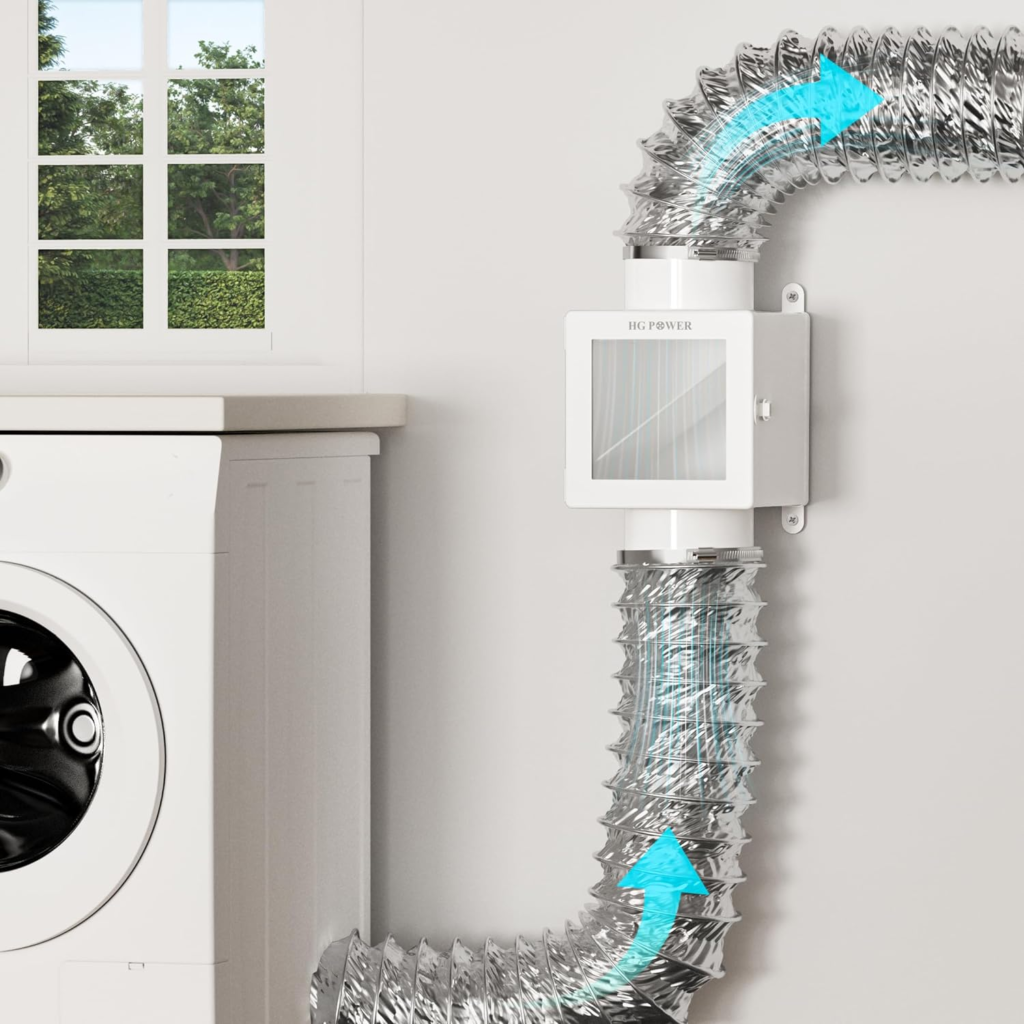
These are the gold standard for safety. They consist of a clear-faced box that connects directly into your metal ducting. You can see the lint building up through the clear door, reminding you exactly when it’s time to clean it out.
Booster Fan Lint Traps
If your dryer is far from an exterior wall, you might have a booster fan to help push the air along. These fans are very prone to lint clogs. A specialized dryer duct lint trap installed before the fan protects the motor and ensures the fan doesn’t become a fire hazard itself.
Step-by-Step Installation Guide
Installing a dryer duct lint trap is a manageable Saturday morning project for most homeowners. You will need a few basic tools and about 30 to 60 minutes.
Tools You Will Need
- The lint trap kit
- Screwdriver or nut driver
- Metal foil tape (UL listed)
- Tin snips (if cutting rigid ducting)
- A vacuum cleaner
The Installation Process
- Disconnect the Power: Always unplug your dryer before working on the exhaust system.
- Locate the Placement: Find a spot on the wall or the back of the dryer that is easy to reach. You want the trap to be accessible so you actually remember to clean it.
- Cut the Duct: If you have a flexible hose, you can simply cut it in half. If you have rigid metal ducting, use tin snips to remove a section equal to the width of the trap.
- Attach the Trap: Fit the duct ends over the intake and exhaust ports of the lint trap. Most traps are designed to fit standard 4-inch ducting.
- Seal the Connections: Use metal foil tape to seal the joints. Never use “duct tape” (the silver cloth kind), as the adhesive will dry out and fail under high heat.
- Secure the Trap: Use the provided mounting brackets to screw the trap to the wall. This prevents it from vibrating or sagging during use.
Maintenance Tips for Longevity
A dryer duct lint trap is only effective if it is kept clean. A clogged trap is just as dangerous as a clogged duct.
How Often Should You Clean It?
Check the trap after every 3-5 loads of laundry. If you have a large family or frequently wash high-shed items like towels and rugs, you may need to check it more often. The clear door on most models makes this a simple visual check.
Deep Cleaning the Mesh
Once a month, remove the screen from the trap and wash it with warm, soapy water. Fabric softener and dryer sheets can leave a waxy residue on the mesh that isn’t visible but significantly restricts airflow. If water doesn’t flow through the mesh easily, it needs a scrub.
Inspecting the Entire System
Even with a trap, it is wise to inspect your exterior vent hood once a season. Ensure the flapper opens freely and that birds haven’t built nests in the warm exhaust path.
Common Mistakes to Avoid
While adding a dryer duct lint trap is a great move, there are a few pitfalls to watch out for.
Using Plastic Venting
Never use white plastic “slinky” hoses with your lint trap. These are highly flammable and have been banned by most building codes. Stick to rigid metal or semi-rigid aluminum ducting.
Forgetting the Internal Filter
A secondary trap is an addition to, not a replacement for, the filter inside your dryer. You must continue to clean the internal screen after every single load.
Poor Placement
Don’t hide the trap behind a heavy stackable unit where you can’t see it. If it’s out of sight, it will be out of mind, and the lint buildup will eventually reach a critical level.
Frequently Asked Questions About Dryer Duct Lint Traps
Q: What is a dryer duct lint trap?
A: It is a secondary filtration box installed in the dryer’s exhaust line. It captures the fine lint particles that bypass the dryer’s built-in screen, preventing them from clogging the main ductwork or causing a fire.
Q: How do you install a secondary lint trap?
A: You install it by cutting a section of your 4-inch dryer duct and inserting the trap box between the two ends. It is secured with mounting brackets and sealed with heat-resistant metal foil tape to ensure an airtight connection.
Q: How much does a dryer duct lint trap cost?
A: Most high-quality inline lint traps cost between $40 and $80. While there are cheaper plastic versions available, metal-housed units with clear viewing windows offer the best durability and safety features.
Q: Why is my dryer still taking forever even with a trap?
A: This usually happens if the trap itself is full or if there is an existing clog further down the line in the exterior wall. It is also possible the mesh screen has a waxy buildup from dryer sheets that needs to be washed off with soap.
Q: Is a dryer duct lint trap hard for beginners to maintain?
A: Not at all. Maintenance involves simply opening a door and wiping away the lint with your hand or a small vacuum. It is actually much easier than trying to clean a standard vent pipe.
Q: Can I use a lint trap with a gas dryer?
A: You can use an inline lint trap that vents to the outside. However, you must never use an indoor-only kit with a gas dryer, as it will vent deadly carbon monoxide into your living space.
Q: What tools do you need for maintenance?
A: For basic cleaning, you just need your hands. For deeper monthly cleaning, a soft brush and some dish soap are recommended to remove film from the mesh screen.
Conclusion
Protecting your home from laundry-related hazards doesn’t have to be complicated. By installing a dryer duct lint trap, you are taking a proactive step toward fire safety and appliance efficiency. This simple addition catches the debris that standard filters miss, keeping your ductwork clear and your energy bills low.
Your next step is simple: inspect your current dryer setup. If you notice lint around the back of the machine or if your clothes are coming out damp after a full cycle, it is time to upgrade your filtration. Purchase a high-quality inline trap this week and experience the peace of mind that comes with a truly clean laundry system. You’ve worked hard for your home—don’t let a bit of lint put it at risk.