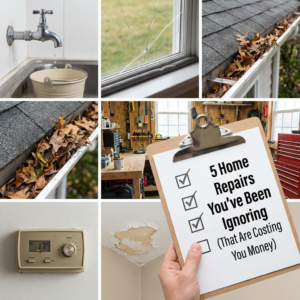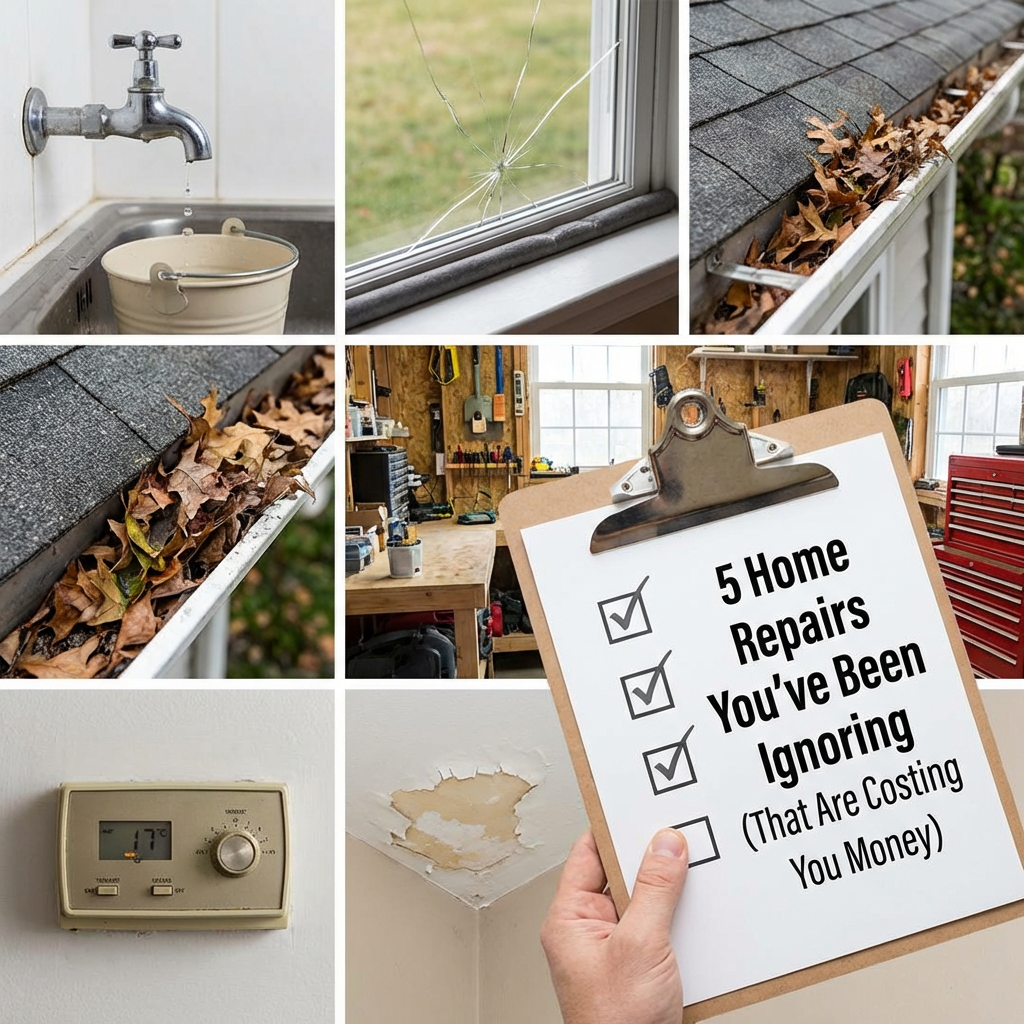
Every house has a “voice.” It’s the slight hum of the refrigerator, the creak of a floorboard, or the rhythmic drip-drip-drip of a bathroom faucet. For many homeowners, these sounds eventually blend into the background of daily life. However, those small sounds are often your home’s way of crying for help. The 5 home repairs you’ve been ignoring aren’t just minor annoyances; they are active drains on your bank account.
When you postpone routine maintenance, you aren’t just delaying a Saturday chore—you are compounding a future financial crisis. A $10 washer today prevents a $500 plumbing emergency tomorrow. In this guide, we will break down exactly why “waiting until it breaks” is the most expensive way to manage a home. From skyrocketing utility bills to hidden structural rot, we’ll explore how professional handyman services and a bit of proactive care can keep your hard-earned money where it belongs: in your pocket.
1. The True Cost of Procrastinating on Home Repairs
Before we dive into the specific culprits, it is vital to understand the “Butterfly Effect” of home maintenance. In the world of real estate and property management, there is a golden rule: for every dollar you spend on preventative maintenance, you save approximately $4 in future repairs.
When we talk about the 5 home repairs you’ve been ignoring, we are looking at issues that start as “cosmetic” or “minor” but eventually compromise the systems of your home. Whether it’s water ingress, thermal loss, or mechanical strain, neglect is a silent tax. By addressing these issues now, you protect your home’s resale value and ensure your living space remains a safe, efficient sanctuary.
2. Leaky Faucets and Running Toilets: The Silent Water Bill Killers
It is perhaps the most classic example of a home repair you’ve been ignoring. A single dripping faucet might seem like a small quirk of an older home, but the math tells a much scarier story.
The Math of the Drip
According to the EPA, a faucet that drips at a rate of one drip per second can waste more than 3,000 gallons of water per year. That is the equivalent of taking more than 180 showers. If you have a running toilet, that number can jump to hundreds of gallons per day.
Why it Costs You
- Water Bills: Most municipalities charge for both water usage and sewage based on that usage. You are paying twice for every drop that goes down the drain.
- Fixture Damage: Constant dripping leads to hard water stains and mineral buildup that can permanently ruin the finish of your sinks and tubs.
- Septic Strain: For those on septic systems, thousands of gallons of unnecessary water can lead to premature system failure—a repair that costs upwards of $10,000.
Pro-Tip: If you suspect a “silent” toilet leak, drop a few drops of food coloring into the tank. If the color appears in the bowl after 15 minutes without flushing, you have a leak that needs immediate attention from a handyman.
3. Clogged Gutters: The Hidden Threat to Your Foundation
Gutters are designed to do one thing: move water away from your home. When they are full of leaves, twigs, and debris, they transform from a drainage system into a heavy, water-logged weight hanging off your roof.
Why Clogged Gutters are 5 Home Repairs You’ve Been Ignoring
Many homeowners skip gutter cleaning because it’s “out of sight, out of mind.” However, the consequences are devastating:
- Foundation Cracks: When water spills over the side of a clogged gutter, it pools at the base of your house. This saturates the soil, leading to hydrostatic pressure that can crack your foundation.
- Basement Flooding: That same pooled water eventually finds its way into your crawlspace or basement, leading to mold and structural rot.
- Fascia Rot: Standing water in gutters rots the wooden boards (fascia) they are attached to, eventually causing the gutters to fall off entirely.
Comparing the Costs
| Task | DIY/Minor Cost | Major Repair Cost (Neglected) |
| Gutter Cleaning | $0 – $150 | $5,000 – $15,000 (Foundation Repair) |
| Downspout Clearing | $20 | $2,000 (Sump Pump Replacement/Mold) |
4. Gaps in Caulking and Weatherstripping: The Energy Drain
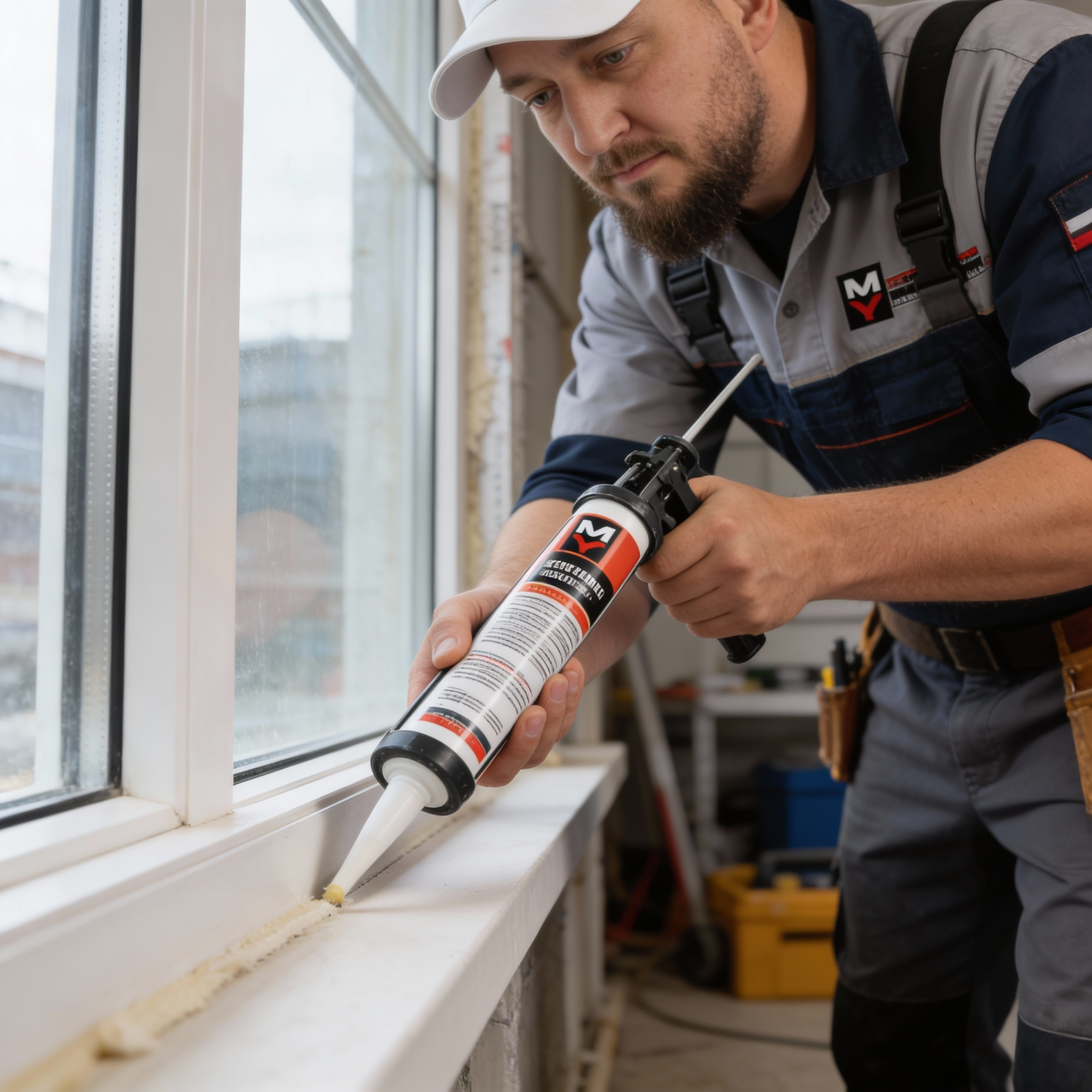
If your home feels drafty in the winter or humid in the summer despite the AC running, you are likely a victim of “conditioned air theft.” This is one of the most common 5 home repairs you’ve been ignoring because the damage is invisible.
The Impact on Your HVAC
Your heating and cooling system is designed to reach a certain temperature and then shut off. When gaps exist around windows and doors, that air escapes, forcing your HVAC to run 24/7. This doesn’t just spike your electric bill; it wears out the motor and compressor, leading to a premature (and expensive) system replacement.
How to Check for Leaks
On a windy day, hold a lit incense stick or a damp hand near window frames and door seals. If the smoke wafts horizontally or your hand feels a cold chill, your seal is broken. Replacing weatherstripping is a simple task for any handyman service and usually pays for itself in energy savings within a single season.
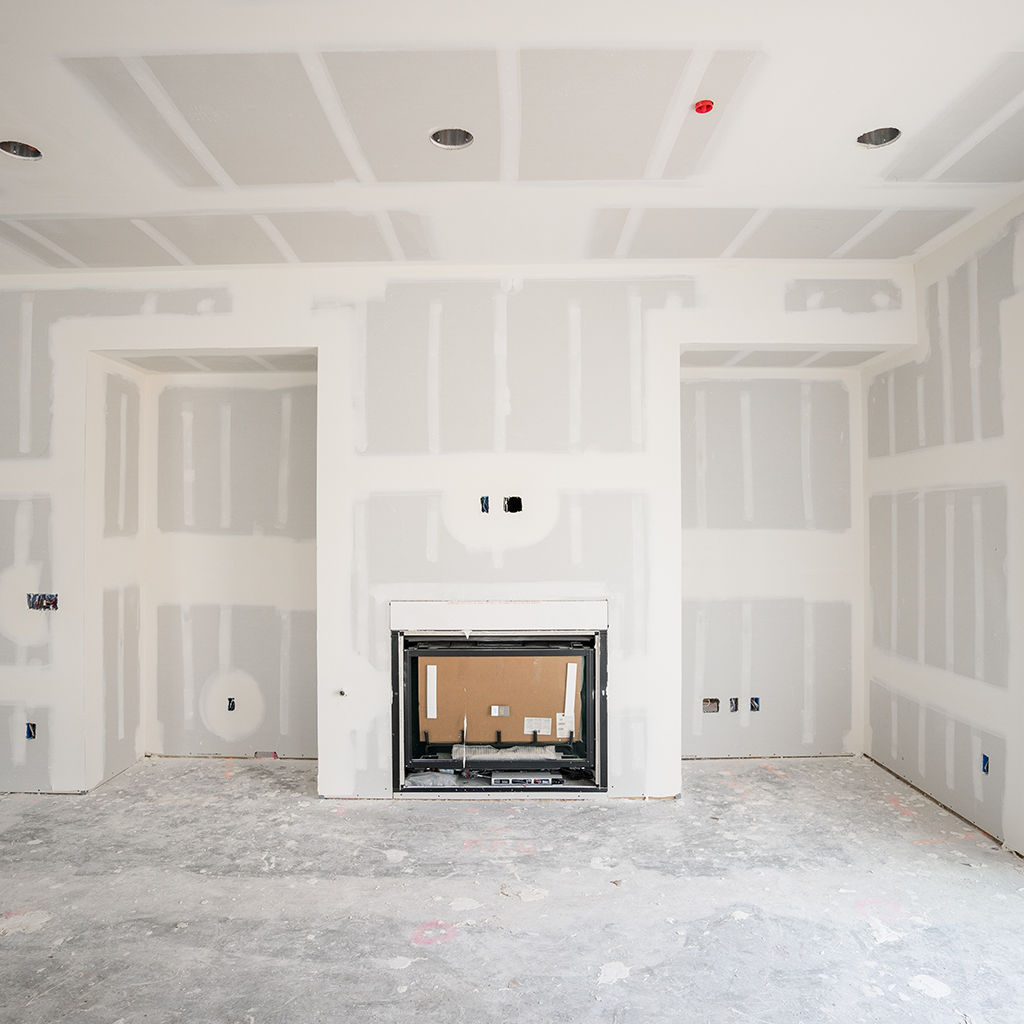
5. Small Drywall Cracks and Popped Nails: More Than Just an Eyesore
We often ignore a small crack in the ceiling or a “nail pop” in the hallway, thinking it’s just the house “settling.” While houses do settle, these marks are often early warning signs of larger issues.
Identifying the Risk
- Horizontal Cracks: These can indicate significant structural shifting or water damage behind the wall.
- Staining: A yellowish ring around a crack is a 100% guarantee that you have a roof or plumbing leak. Ignoring this leads to toxic mold growth and collapsed ceilings.
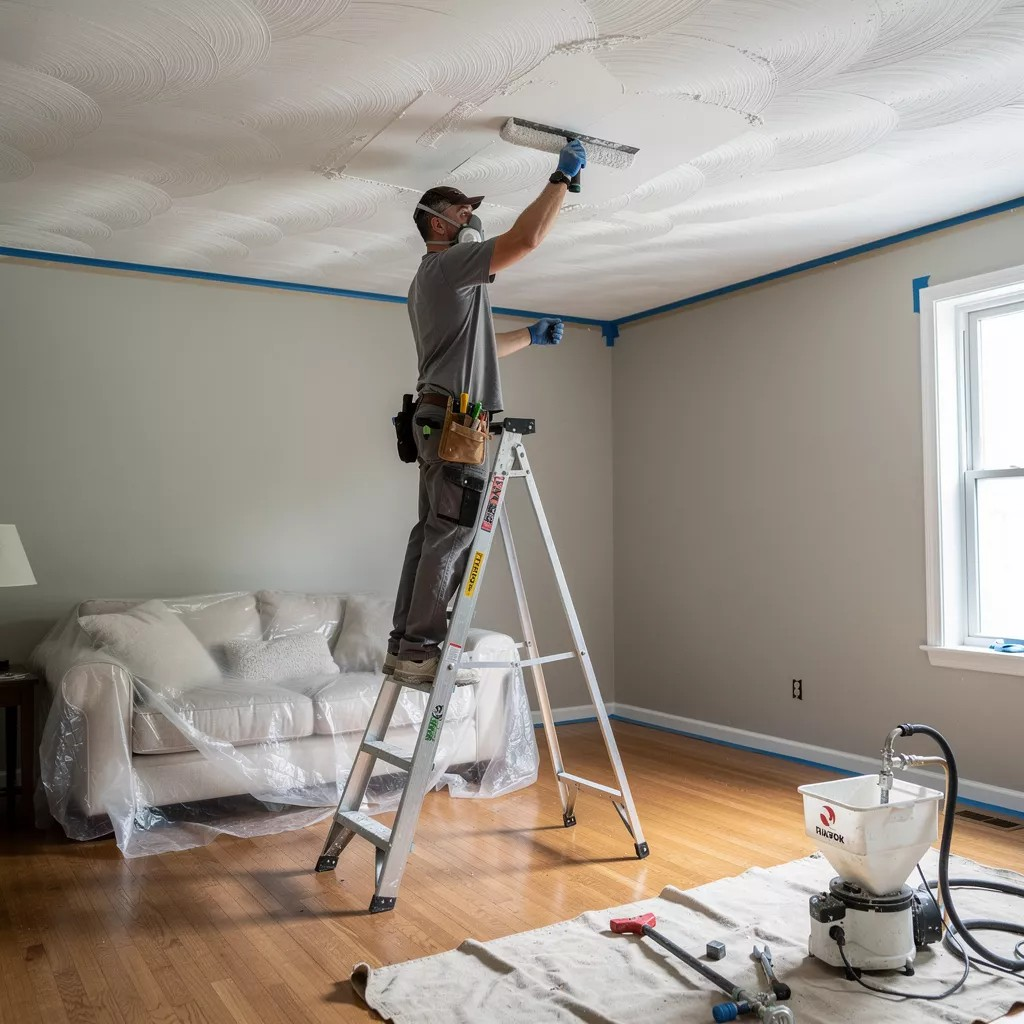
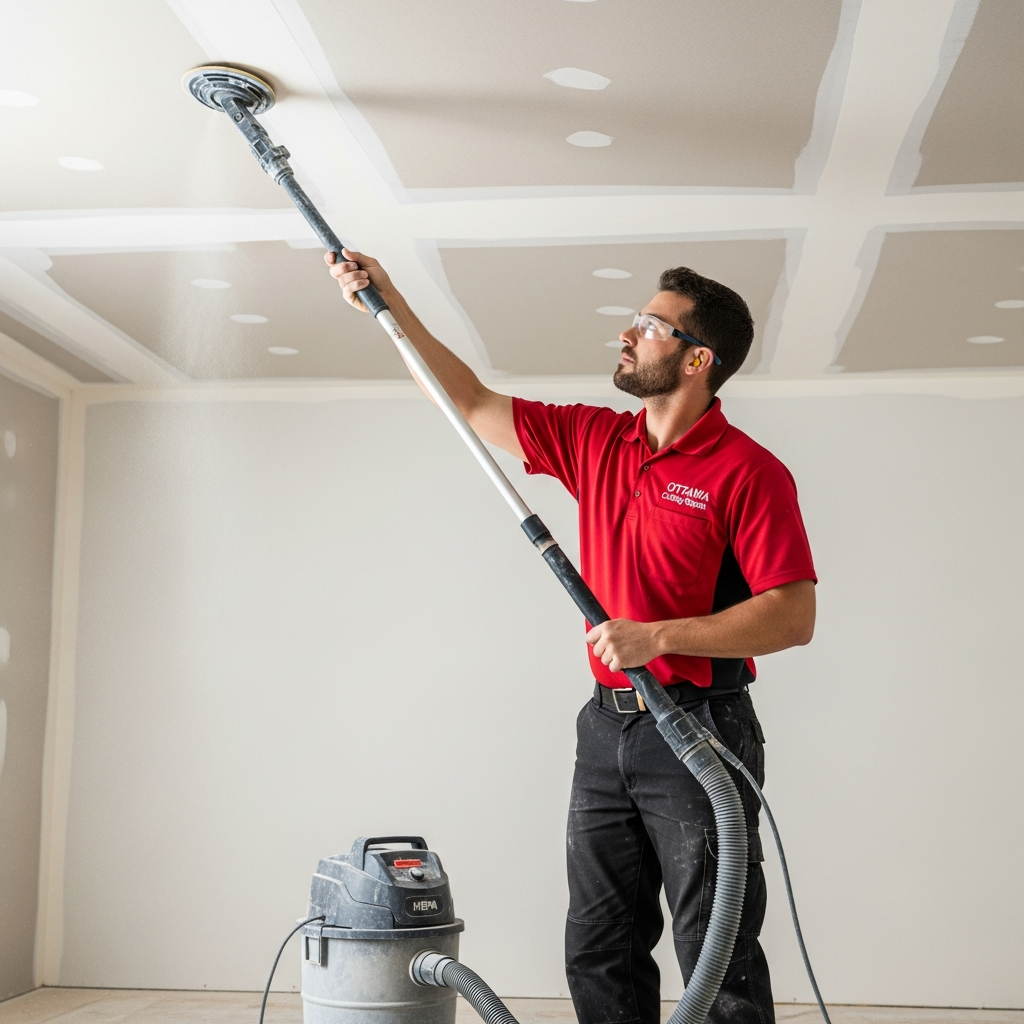
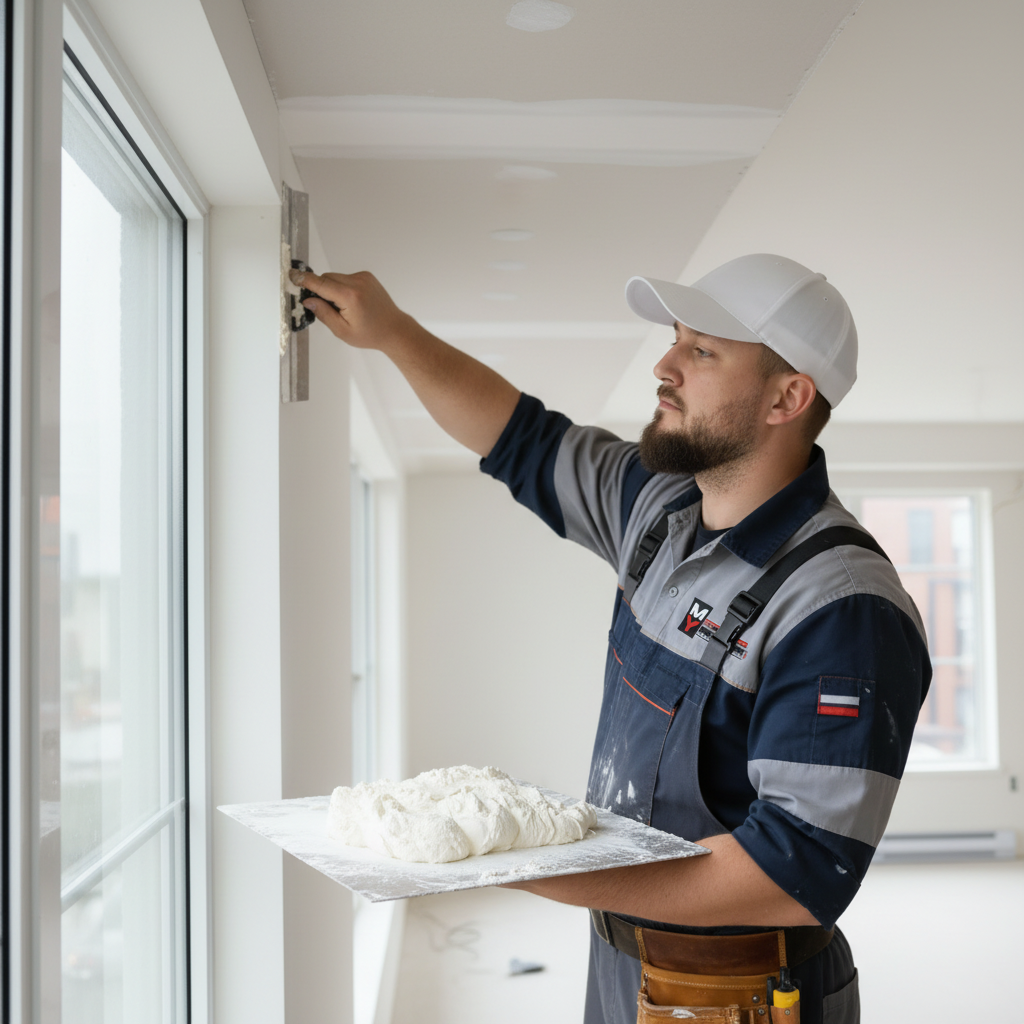
By hiring a professional to patch, sand, and paint these areas now, you can keep your home’s curb appeal high and catch leaks before they require a full-scale mold remediation.
6. Electrical Oddities: Flickering Lights and Loose Outlets
Electrical issues are unique because they aren’t just about money—they are about safety. A flickering light isn’t a ghost; it’s a loose connection. A loose outlet isn’t just annoying; it’s a fire hazard.
The Cost of Ignoring Electrical Issues
Over 50,000 home fires are caused by electrical failure each year. Ignoring a “warm” outlet or a circuit breaker that trips frequently can lead to catastrophic loss. Furthermore, faulty wiring can damage expensive electronics like your 4K TV or computer by causing “dirty power” surges.
When to call a pro: If you smell a faint “fishy” or burning plastic scent near an outlet, turn off the breaker immediately. This is a sign of arcing and is an emergency repair.
7. How Professional Handyman Services Save You Money
You might be tempted to try to tackle all of these 5 home repairs you’ve been ignoring on your own. However, there is a distinct advantage to hiring a professional.
- The Right Tools: A handyman comes equipped with the ladders, specialized wrenches, and moisture meters you might not have.
- Efficiency: What takes a homeowner three weekends to finish, a pro can often knock out in four hours.
- The “Multipoint Inspection”: While a handyman is fixing your faucet, they will likely notice that your water heater is starting to rust or that your dryer vent is clogged—saving you from two more future disasters.
Frequently Asked Questions About Home Repairs
Q: What is the most expensive home repair to ignore?
A: Generally, foundation issues and roof leaks are the most expensive. A small roof leak can lead to attic rot, mold, and ceiling collapse within months, turning a $300 shingle repair into a $20,000 renovation.
Q: How much should I budget for annual home maintenance?
A: A good rule of thumb is the “1% Rule.” You should set aside 1% of your home’s total value every year for maintenance and repairs. For a $400,000 home, that’s $4,000 a year.
Q: Is a leaky faucet really that big of a deal?
A: Yes. Beyond the waste of water, the constant moisture can lead to mold under the sink and can corrode the valve seat of the faucet, meaning you’ll have to replace the entire fixture instead of just a $0.50 O-ring.
Q: Why is my energy bill so high even if I don’t use much heat?
A: This is often due to poor insulation or gaps in window caulking. Your home is losing its “thermal envelope,” meaning your HVAC is working overtime to compensate for air leaks.
Q: Can a handyman do electrical and plumbing work?
A: Many handymen are skilled in “minor” plumbing and electrical (like changing a faucet or a light fixture). However, for major rewiring or main line plumbing, you may need a licensed specialist depending on your local building codes.
Q: How do I know if a crack in my wall is serious?
A: Cracks that are wider than a pencil, horizontal, or accompanied by doors that won’t close properly are signs of structural issues. These should be inspected by a professional immediately.
Conclusion
Your home is likely your largest financial asset. Treating it with the respect it deserves means staying on top of the 5 home repairs you’ve been ignoring. Whether it’s the dripping faucet, the clogged gutter, or the drafty window, these small issues are slowly eroding your wealth and the integrity of your house.
Don’t wait for a disaster to force your hand. Take a walk around your home today with a notepad. Note the drips, the cracks, and the drafts. Once you have your list, reach out to a trusted handyman service to knock out those tasks in one go. You’ll breathe easier knowing your home is efficient, safe, and—most importantly—no longer leaking money.